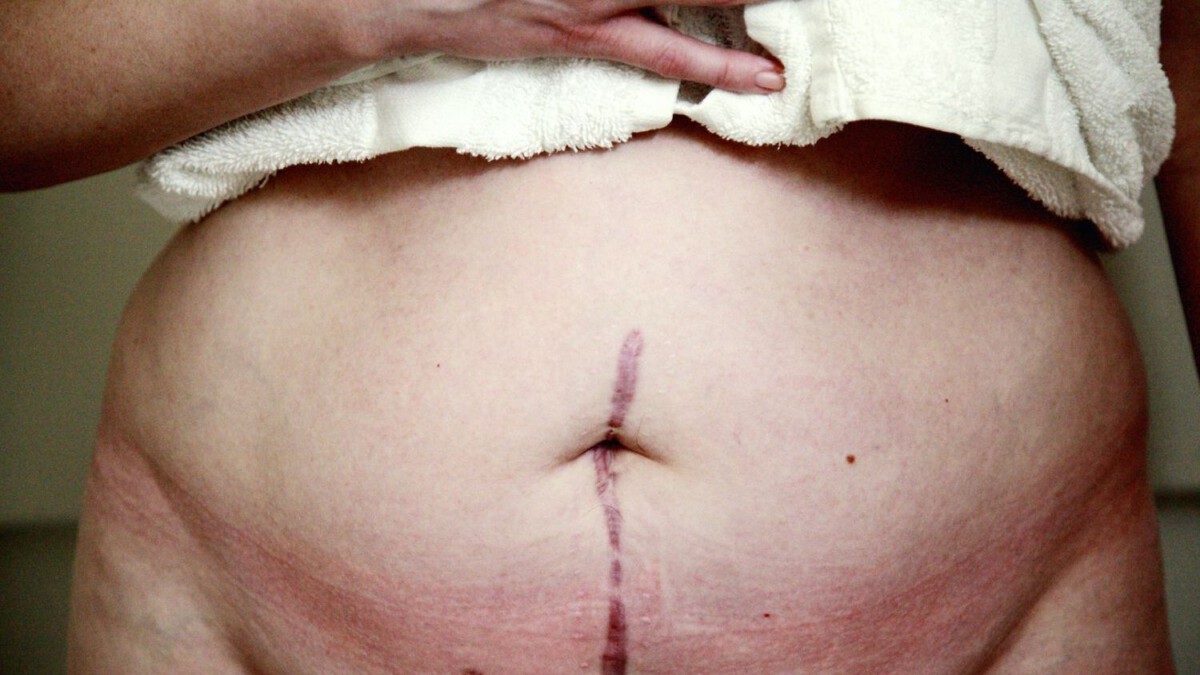
Iowa woman dies after routine hernia surgery as family claims doctors ignored red flags – Image for illustrative purposes only (Image credits: Unsplash)
Leon, Iowa — Laura Belt arrived at Decatur County Hospital last spring for what promised to be a straightforward hernia repair. The 46-year-old resident of Corydon never left the ordeal unscathed. Complications from a bowel perforation spiraled into sepsis, claiming her life on May 15, 2024, after hospital staff reportedly brushed off signs of distress in the days following her discharge.[1][2]
Surgery Sets Off Chain of Events
On April 30, 2024, surgeon Dr. Edwin Vincent Wehling performed the hernia repair on Belt at Decatur County Hospital. Hernias occur when tissue pushes through a weak spot in the abdominal wall, often requiring surgical correction to prevent further issues. The procedure itself appeared routine at the time.[1]
Belt remained in the hospital for a week. Medical records noted large amounts of drainage from the surgical incision upon her discharge on May 6. Staff described her as very uncomfortable overall, anxious, and tearful. She also reported no bowel movement since the operation, a detail that would later figure prominently in the family’s allegations.[2]
Post-Discharge Symptoms Raise Alarms
Three days after leaving the hospital, on May 9, Belt noticed significant feculent brown liquid pouring from her incision. She texted a photo of the wound to a nurse at Decatur County Hospital. The response came quickly: the nurse, after consulting a colleague, assured her it was normal and would continue draining for at least a month.[1]
The following day, Belt participated in a video call with registered nurse Brandi Oesch. She displayed the ongoing discharge during the conversation. Yet no recommendation followed for emergency evaluation. Instead, the symptoms persisted without intervention, according to the lawsuit filed by Belt’s estate.[3]
Escalation to Septic Shock
By May 11, Belt’s condition worsened dramatically. An ambulance transported her to Wayne County Hospital’s emergency department. There, doctors observed necrotic tissue at the incision site and constant stool drainage. They diagnosed septic shock stemming from an infection tied to the original hernia repair.[2]
Sepsis represents the body’s extreme response to infection, potentially leading to organ failure if untreated. In Belt’s case, the bowel perforation — a tear allowing fecal matter to leak into the abdomen — fueled the deadly process. She passed away four days later at MercyOne Medical Center in Des Moines.[1]
Lawsuit Points to Negligence and Record Issues
Belt’s estate sued Dr. Wehling, Decatur County Hospital, and nurses Brandi Oesch and Tammy Roberts for medical malpractice and wrongful death. The complaint highlights the dismissal of symptoms like the brown drainage — later identified as stool — and failure to recognize the bowel injury. It also accuses Oesch of back-charting entries two days after the emergency visit, claiming she had notified Wehling and that he requested the antibiotic Bactrim, though no such order appeared.[3]
- Dismissal of feculent drainage as normal post-op fluid.
- No advice for immediate care during video consultation.
- Alleged alterations to medical records post-event.
- Delayed diagnosis of perforation and infection.
The defendants have denied wrongdoing. Wehling argued that Belt’s injuries might trace to pre-existing or unrelated conditions beyond his care.[1] Trial is set for August 23, 2027.
Board Charges Add to Surgeon’s Challenges
Recent developments have intensified scrutiny on Wehling. On January 14, 2026, the Iowa Board of Medicine filed charges against him for professional incompetence and practicing in a manner harmful to the public. A disciplinary hearing is scheduled for September 24-25, 2026, though specifics of the allegations remain undisclosed.[1]
Wehling had served as a surgeon at the Leon facility. The board’s action underscores ongoing questions about post-operative monitoring in such cases. Families nationwide have raised similar concerns in routine procedures gone awry, prompting calls for vigilant symptom tracking.
As the lawsuit and board proceedings unfold, Belt’s case serves as a stark reminder of the fine line between standard recovery and crisis. Her loved ones seek accountability, while the medical community grapples with lessons on timely intervention. The final outcomes may shape practices at small rural hospitals for years to come.[2]