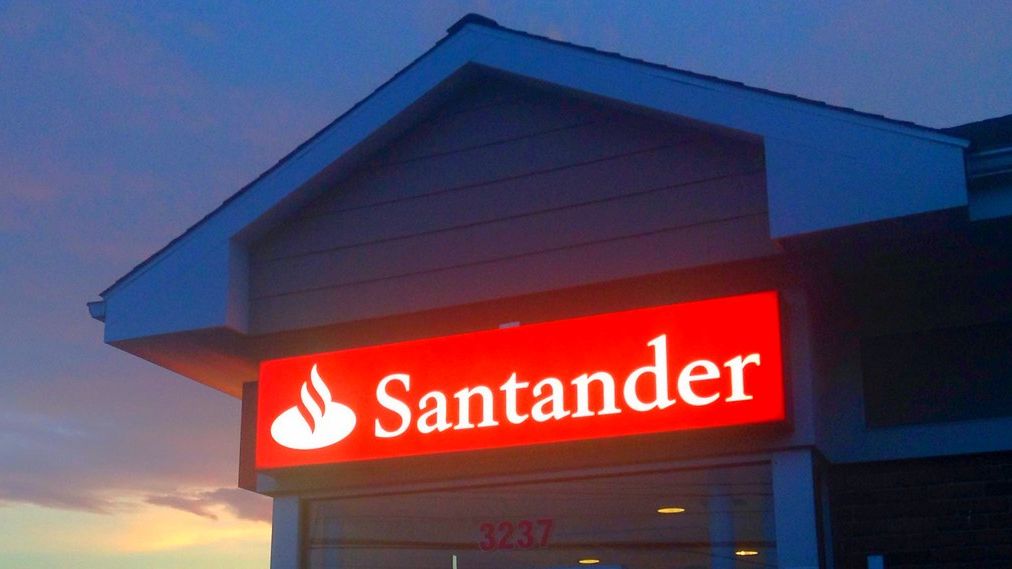
TSB name to vanish from Britain’s high streets after two centuries as Santander absorbs lender – Image for illustrative purposes only (Image credits: Flickr)
The completion of Santander’s £2.9 billion acquisition of TSB has created Britain’s third-largest bank, with nearly 28 million customers and combined assets that place it behind only HSBC and Barclays. Executives expect the integration to deliver £400 million in annual cost savings, with the possibility of an additional £100 million in efficiencies from 2028 onward. The move ends more than two centuries of independent operation for TSB, whose origins trace to a Scottish parish savings scheme established in 1810.
Scale of the Combined Operation
The transaction instantly doubled Santander UK’s customer base and deposit book. TSB brought roughly five million accounts and £71.5 billion in deposits and lending, giving the enlarged group a stronger platform for investment in technology and product development. Santander has described the deal as a commitment to the UK market rather than a retreat, following earlier speculation about possible withdrawal.
Chairman Ana Botín had previously dismissed exit rumours, and the acquisition now positions the bank to compete more effectively on service and scale. The combined entity will operate under the Santander name, with TSB’s separate identity phased out over time.
Customer Experience and Transition Timeline
Account holders have been assured that cards, accounts and mobile apps will continue to function without interruption. Santander has stated that no material changes are planned for at least the next 12 months, allowing time for careful integration planning. A spokesman emphasised that the focus remains on maintaining continuity while exploring long-term brand strategy.
Both sets of customers will eventually migrate to unified systems, yet the bank has stressed that the process will be gradual. The priority, according to Santander, is to deliver improved service levels and greater investment capacity rather than immediate disruption.
Branch Network and Workforce Implications
TSB’s network of approximately 175 branches faces review alongside Santander’s existing estate. The Spanish-owned lender is already closing 44 of its own outlets, with hundreds of roles affected. An earlier round of 95 Santander branch closures announced this year placed a further 750 positions at risk.
TSB has begun an internal consultation process to support staff through the period of uncertainty. The combined branch footprint will be smaller, reflecting the industry-wide shift toward digital banking, though physical locations will remain available for customers who prefer them.
Historical Background of the TSB Franchise
The trustee savings bank model originated in Dumfriesshire in 1810 to help parishioners set aside funds during difficult times. By 1817 more than 80 such banks operated across Scotland and England. The network later consolidated into the TSB Group in the 1980s, merged with Lloyds in 1995 and was floated on the London Stock Exchange in 2014.
Ownership changed again in 2015 when Sabadell acquired TSB from Lloyds. The latest transaction marks the third shift in a decade, yet the underlying customer relationships and deposit base have remained substantial throughout.
Outlook for UK Banking Competition
The integration is expected to produce a more competitive player capable of greater spending on technology and customer service. Whether the larger Santander UK delivers noticeably better outcomes for consumers and small businesses will become clearer only after several years of combined operations.
For now, the immediate landscape is one of consolidation, with fewer distinct high-street brands and a clearer emphasis on operational efficiency. The longer-term test will be whether the promised scale translates into tangible improvements for the millions of customers now under one roof.