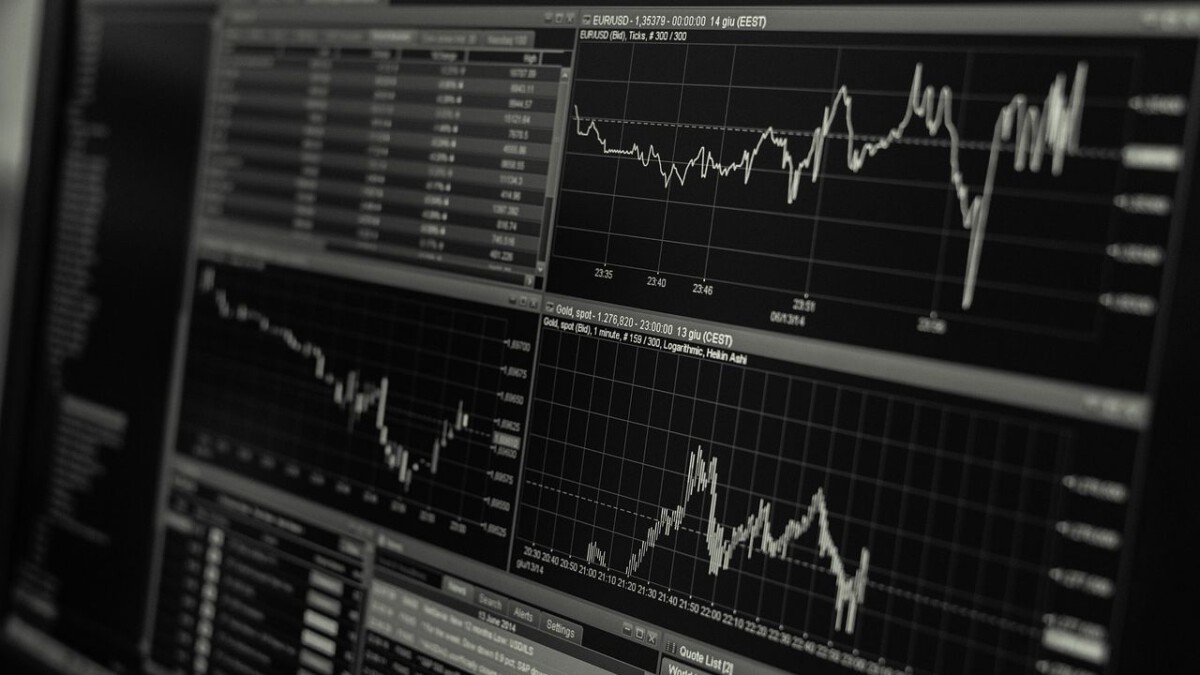
Sharp Declines Mark the Session (Image Credits: Unsplash)
Mumbai, April 24, 2026 – Trading screens across India’s financial hub glowed red in late morning deals on Friday. The BSE Sensex shed more than 900 points, while the NSE Nifty posted similar declines amid a cautious mood. Escalating tensions in West Asia, crude oil prices pushing past the $100 mark, and stalled talks between the US and Iran combined to pressure sentiment, even as global markets sent mixed signals.
Sharp Declines Mark the Session
Benchmark indices opened under pressure and accelerated losses as the morning progressed. Investors reacted swiftly to a confluence of external shocks that overshadowed domestic factors. The Sensex’s drop exceeded 900 points, reflecting broad-based selling across major sectors.
The Nifty mirrored this weakness, slipping in tandem with its blue-chip counterpart. Such moves highlighted the sensitivity of Indian equities to international developments. Trading volumes picked up as participants adjusted positions in response to the unfolding volatility.
West Asia Tensions Fuel Uncertainty
Renewed conflicts in West Asia emerged as a primary drag on market confidence. These developments raised fears of supply disruptions in a region critical to global energy flows. For India, a major oil importer, any escalation carried direct implications for trade balances and economic costs.
Stalled negotiations between the US and Iran added to the strain. Diplomatic impasse heightened risks of broader instability, prompting investors to dial back exposure to risk assets. Market participants monitored headlines closely, as each update rippled through trading floors.
Crude Oil Breaks $100 Barrier with Far-Reaching Effects
Crude oil prices surged above $100 per barrel, amplifying the day’s downturn. This rally stemmed from supply concerns tied to regional unrest, pushing benchmark contracts higher in early Asian hours. Higher energy costs threatened to stoke inflation pressures worldwide, with India particularly vulnerable due to its reliance on imports.
The spike affected multiple stakeholders, from refiners facing margin squeezes to consumers bracing for elevated fuel prices. Transport and logistics firms stood to absorb initial hits, while broader economic growth faced headwinds from rising input costs. Manufacturers in energy-intensive industries pulled back, contributing to the equity selloff. Policymakers watched closely, as sustained high oil levels could complicate monetary efforts to stabilize prices. In this environment, defensive sectors drew some inflows, though overall sentiment remained subdued.
India’s import bill swelled accordingly, straining foreign exchange reserves over time. Households felt the pinch through dearer petrol and diesel, curbing discretionary spending. Exporters gained a marginal currency edge if the rupee weakened, but these offsets paled against the macroeconomic drag.
Mixed Global Cues Add to Caution
Overseas markets offered little reassurance, with signals pointing in multiple directions. European indices showed early softness, while US futures hinted at a tepid open. Asian peers traded unevenly, underscoring divergent responses to shared risks.
Investors adopted a wait-and-see stance, prioritizing capital preservation. Foreign institutional players trimmed positions selectively, wary of prolonged volatility. Domestic funds held firmer but could not stem the tide alone.
Navigating the Road Ahead
The session underscored how swiftly external shocks can dominate market narratives. While intraday recoveries remained possible, underlying pressures suggested ongoing choppiness. Stakeholders from retail traders to corporate treasurers weighed risks against opportunities in this fluid landscape.
Clearer signals on diplomacy or energy supplies could shift dynamics, yet caution prevailed for now. Indian markets have weathered similar storms before, adapting through diversified strategies and policy buffers. The focus stayed on resilience amid global interdependence.