

Always Greet People You Meet on the Street

Small towns thrive on personal connections that start with a simple hello or wave. Residents often see this as basic courtesy rather than an intrusion. Around 46 million Americans live in rural areas, representing roughly 14 percent of the U.S. population, and daily interactions help maintain that sense of closeness. Newcomers who skip greetings can come across as distant or unfriendly without meaning to. Studies show that people in small towns are more likely to know their neighbors personally compared to residents in large urban areas, so a quick nod builds immediate goodwill. Over time these small moments add up and make daily life feel more welcoming. It takes little effort yet signals respect for the local way of doing things.
Many outsiders learn this rule the hard way after a few awkward encounters. Rural communities often have a significantly higher rate of volunteerism and local civic participation than major cities, and greetings open doors to those opportunities. A friendly hello at the post office or gas station can lead to invitations for coffee or community events. Ignoring this habit risks leaving you on the outside looking in for months. Locals notice who makes the effort and who keeps to themselves. Adjusting your pace to include these moments shows you understand the rhythm of rural life. Soon enough the practice feels natural and even enjoyable.
Get Involved in Local Volunteer Efforts
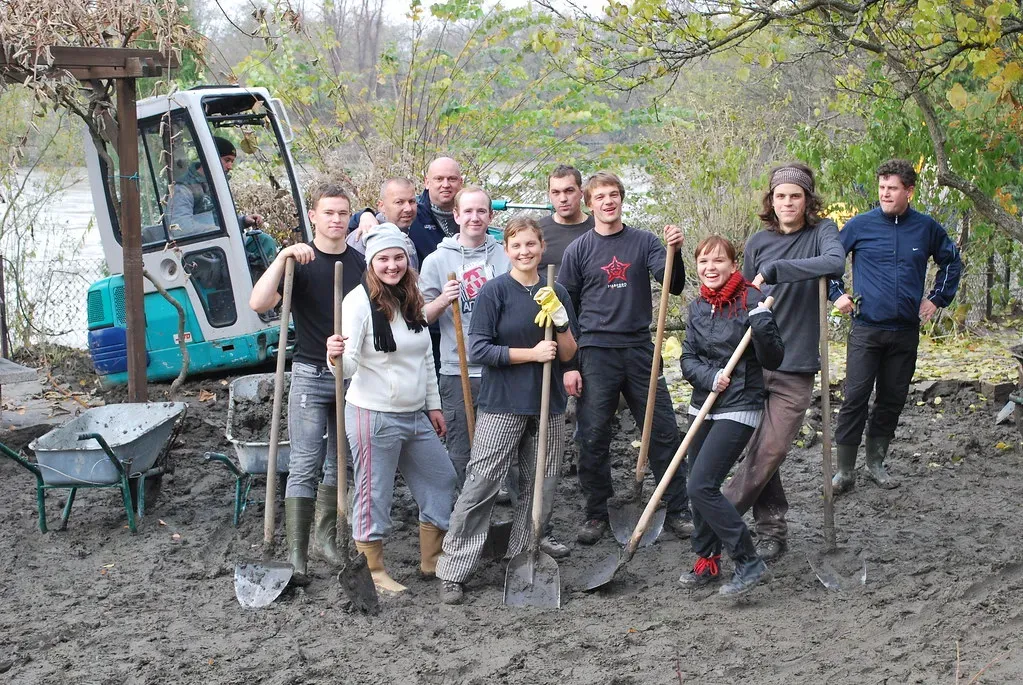
Volunteering stands out as one of the quickest ways to earn respect in rural America. Rural communities often have a significantly higher rate of volunteerism and local civic participation than major cities, so showing up matters. Whether it is helping at a town cleanup or organizing a fundraiser, participation signals commitment. New residents who stay home miss chances to meet people and learn unspoken rules. These activities also reveal the values that shape daily decisions in the area. Over time your contributions become part of the shared story everyone remembers. The payoff comes in stronger relationships and a genuine sense of belonging.
Many small towns rely on consistent help from residents to keep events running smoothly. Surveys have shown that friendliness and greeting strangers in public spaces are considered normal social behavior in many rural American communities, and volunteering extends that friendliness into action. You might start by asking about upcoming projects at the library or town hall. Regular involvement teaches you local history and priorities without formal lessons. People notice who shows up consistently versus who appears only once. This rule helps outsiders move from visitor to neighbor faster than almost anything else. The connections formed here often last for years.
Support Locally Owned Shops and Services

Independent stores serve as both economic anchors and social hubs in rural areas. Many rural communities rely heavily on locally owned businesses, with independent stores serving as major economic and social gathering points. Choosing these places over big chains shows you value the community fabric. Shop owners remember faces and often share news or advice during casual chats. Newcomers who drive straight to distant malls miss these daily touchpoints. Supporting local spots also keeps money circulating inside the town. Over months this habit builds quiet loyalty from residents who appreciate the choice.
Small business owners in rural counties often know family histories and local needs better than any outsider could guess. Research from community sociology studies shows that trust and reputation often play a larger role in small-town business relationships than formal networking. Asking for recommendations at the hardware store or diner opens conversations naturally. You learn which products suit the climate or seasons through these talks. Skipping local options can signal you view the town as temporary. Making the extra stop becomes part of your routine and earns quiet approval. The relationships formed here extend beyond transactions into genuine friendships.
Use Community Facebook Groups and Bulletin Boards
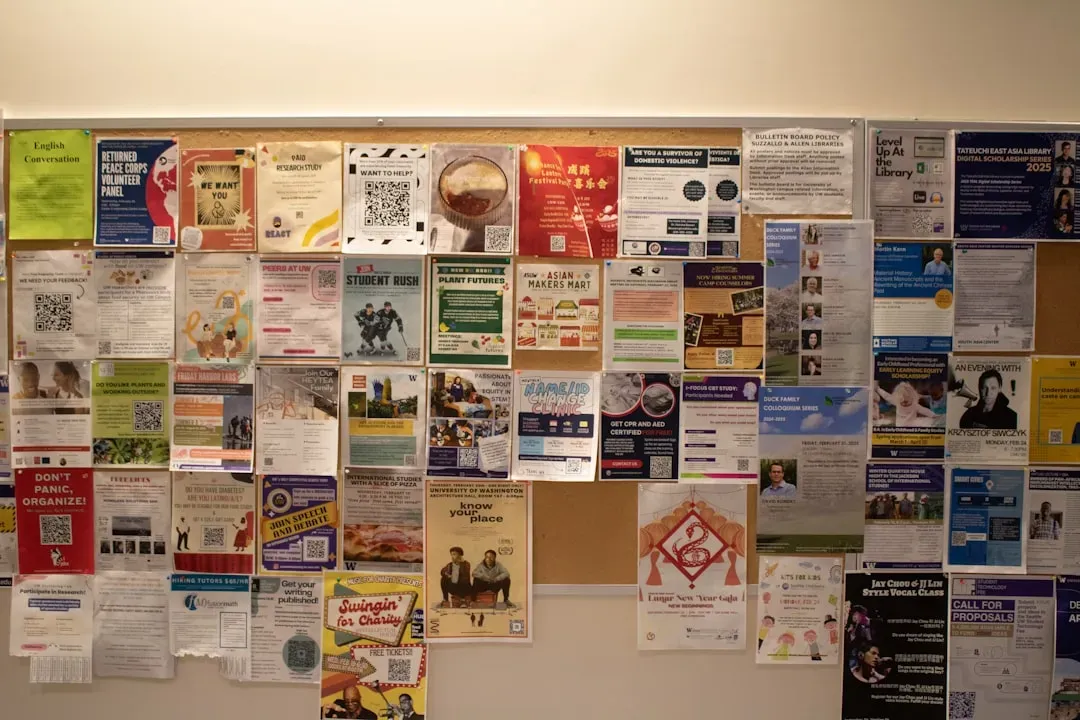
Information travels fast through local channels that outsiders sometimes overlook. In many rural towns, local Facebook groups and community bulletin boards remain one of the primary ways residents share news, events, and emergency updates. Checking these regularly keeps you informed without asking too many questions. Events, road closures, and even lost pets appear here first. New residents who rely only on national apps miss the real pulse of the place. Joining and reading quietly for a while helps you understand tone and topics. Posting thoughtfully later shows you respect the existing conversation.
These platforms replace the old town square for many daily updates. Rural residents generally spend more time driving for groceries, healthcare, and services compared to urban residents due to lower population density and fewer nearby facilities, so timely posts about detours or sales prove useful. You might discover a neighbor offering rides or a group planning a potluck. Learning the etiquette of these groups prevents accidental missteps like sharing unverified rumors. Over time you contribute helpful comments that build your own reputation. The habit saves time and connects you to practical support networks. It turns isolation into awareness with minimal effort.
Respect the Slower Pace of Daily Life
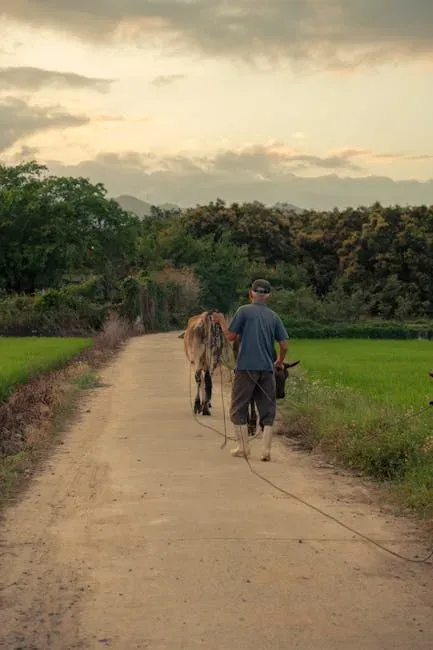
Rural living moves at a different rhythm than city schedules. Rural counties in the United States tend to have older populations on average, with many towns experiencing youth migration toward cities for education and work opportunities. Rushing through errands or conversations can feel disrespectful to locals who value thoughtful exchanges. Newcomers adjust by leaving extra time for chats at the counter or delays from weather. This patience prevents frustration on both sides. The slower tempo also allows deeper relationships to form naturally. Embracing it reduces stress once you stop fighting the flow.
Many outsiders arrive expecting the same efficiency they left behind. According to migration trend reports, remote work opportunities since 2020 have increased interest in moving from cities to smaller towns and rural regions, yet the daily reality still includes longer drives and fewer options. Allowing extra minutes for each task becomes second nature after a few weeks. You notice how people linger to catch up rather than rush away. This rule protects you from seeming impatient or entitled. It also opens space for the unexpected kindnesses that define small-town living. Adjusting your expectations makes every day smoother and more pleasant.
Build Trust Through Consistent Actions
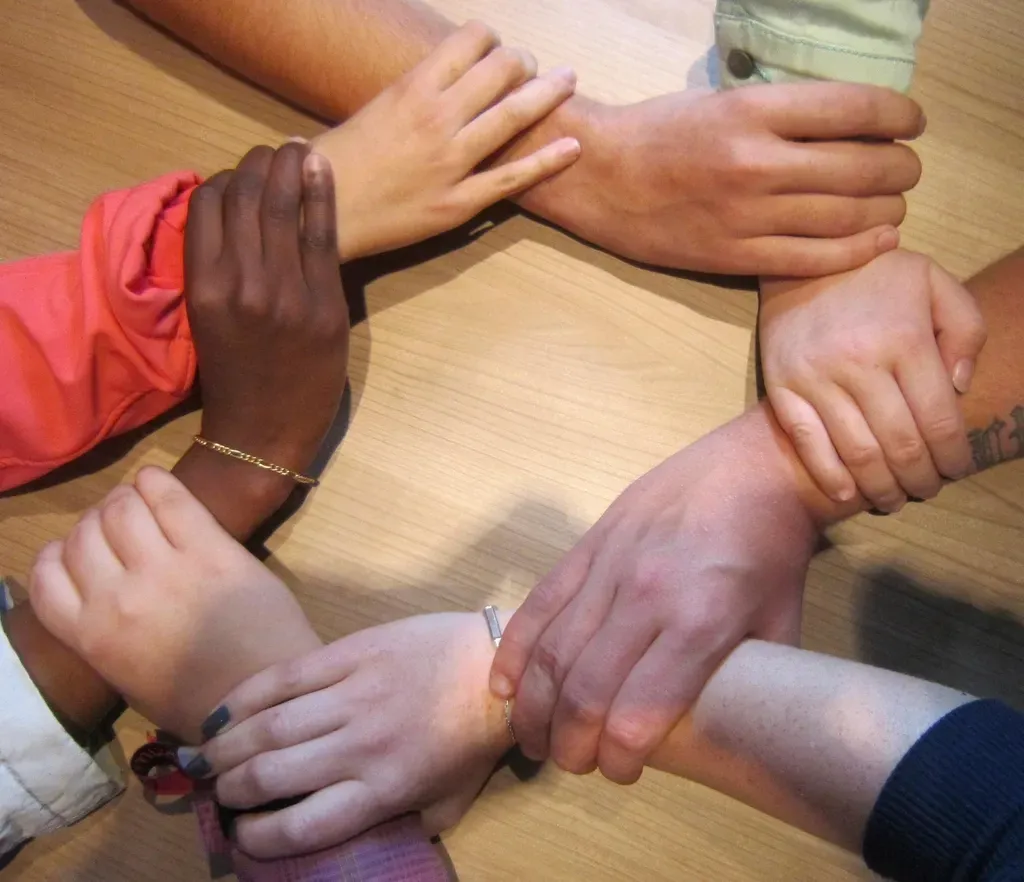
Reputation travels quickly in places where everyone knows everyone else. Research from community sociology studies shows that trust and reputation often play a larger role in small-town business relationships than formal networking. Keeping promises and following through on small commitments earns quiet respect over time. New residents who overpromise or change plans frequently lose ground fast. Showing up when you say you will matters more than flashy introductions. Locals watch how you handle everyday situations before offering deeper invitations. Steady behavior turns strangers into allies without fanfare.
Trust grows from repeated small gestures rather than grand statements. Studies show that people in small towns are more likely to know their neighbors personally compared to residents in large urban areas, so consistency stands out. You might start by returning borrowed tools promptly or attending events you mentioned. Over months these patterns create a positive story others repeat. Breaking trust even once requires significant effort to repair. The rule rewards patience and reliability above charm or speed. In the end your actions speak louder than any introduction ever could.
Honor Local Traditions and Older Residents
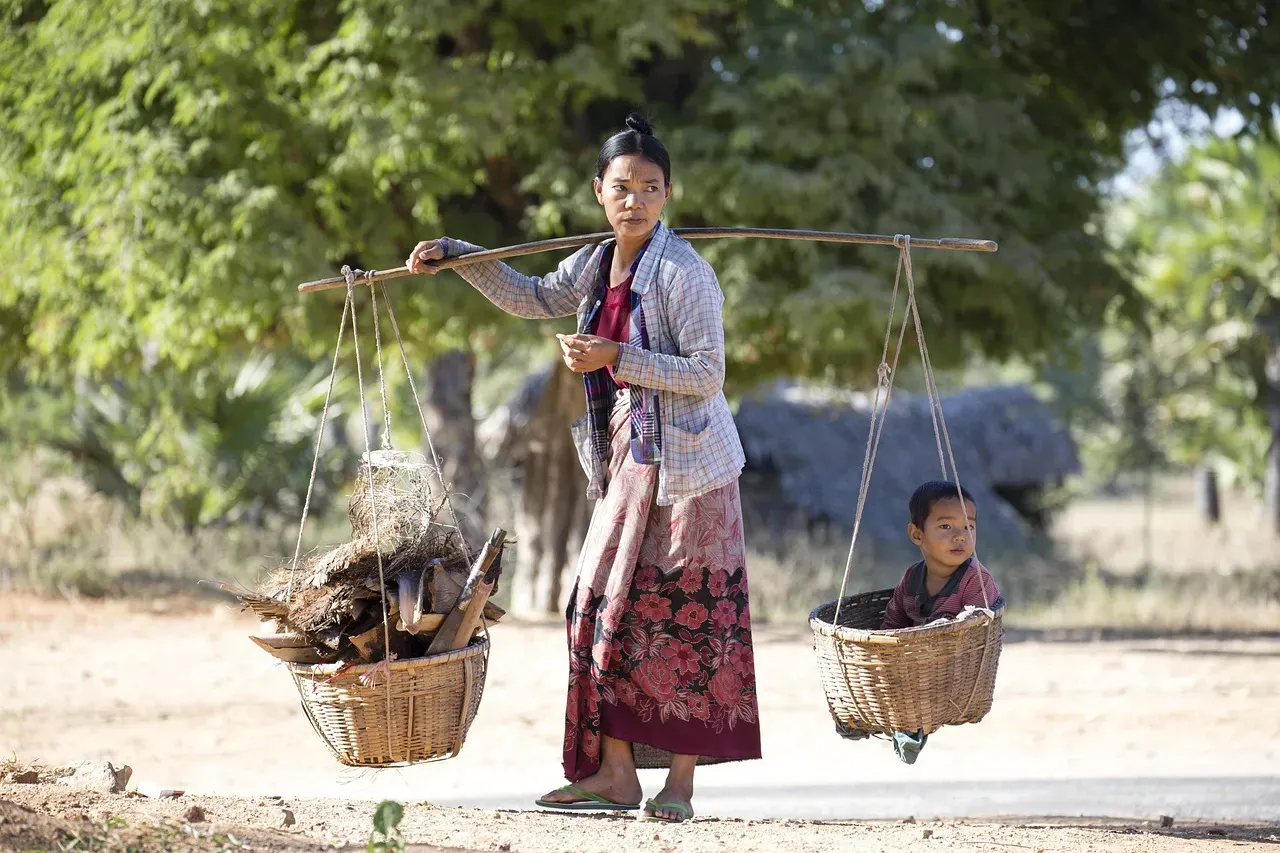
Many rural towns carry customs passed down through generations. Rural counties in the United States tend to have older populations on average, with many towns experiencing youth migration toward cities for education and work opportunities. Newcomers show respect by learning these practices before suggesting changes. Asking questions about why events happen certain ways demonstrates interest rather than judgment. Older residents often hold the stories that explain current habits. Participating in established routines signals you value the community as it exists. This approach prevents unnecessary friction during the settling-in period.
Traditions range from annual festivals to simple ways of handling disputes. Surveys have shown that friendliness and greeting strangers in public spaces are considered normal social behavior in many rural American communities, and honoring them extends that friendliness across age groups. You might notice how elders receive priority in conversations or seating. Learning these details through observation and gentle questions builds goodwill. Ignoring them risks coming across as dismissive of the town’s history. The effort pays off in warmer welcomes and shared knowledge. Over time you become part of the living tradition rather than an outsider looking in.