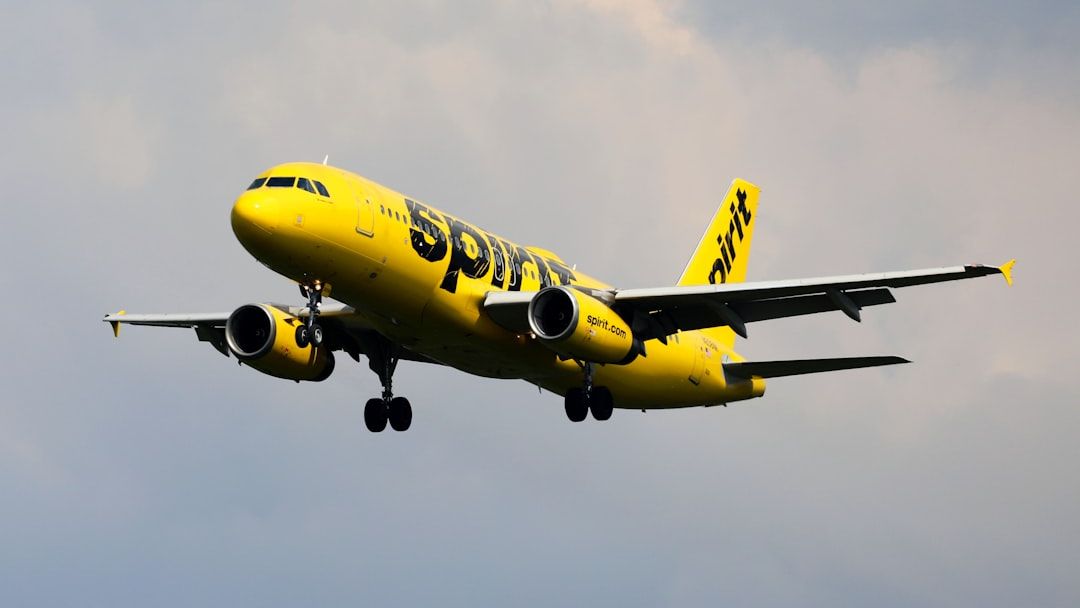
What does Spirit Airlines' shutdown mean for travelers? – Image for illustrative purposes only (Image credits: Unsplash)
Miami — Spirit Airlines halted operations at 3 a.m. Eastern Time on May 2, 2026, marking the first major U.S. carrier collapse in 25 years.[1][2] The budget airline, known for its yellow planes and rock-bottom fares, canceled every flight and shuttered customer service amid soaring fuel costs and failed bailout negotiations.[3] Thousands of passengers now face disrupted plans, from family trips to graduations, with no on-site support at airports.[1]
What Led to the Abrupt Shutdown
Spirit Airlines traced its demise to relentless financial pressures that intensified in recent weeks. Rising jet fuel prices, linked to geopolitical tensions including the war with Iran, demanded hundreds of millions in extra liquidity the company lacked.[2] The carrier had filed for bankruptcy twice before, in 2024 and 2025, while grappling with $2.5 billion in losses since 2020 and shrinking passenger numbers.[3]
Talks for a $500 million government bailout under the Trump administration collapsed late Friday, as creditors withheld support.[4] Spirit’s president and CEO Dave Davis stated, “The sudden and sustained rise in fuel prices in recent weeks ultimately has left us with no alternative but to pursue an orderly wind-down of the Company.”[2] After 34 years pioneering ultra-low-cost travel, the airline posted a statement: “It is with great disappointment that on May 2, 2026, Spirit Airlines started an orderly wind-down of our operations, effective immediately. To our Guests: all flights have been cancelled, and customer service is no longer available.”[2]
First Actions for Stranded Travelers
Officials urged passengers not to head to airports, where empty counters and cancellation signs greeted early arrivals at hubs like LaGuardia and Orlando International.[1] Spirit provided no rebooking assistance, leaving individuals to secure alternatives independently. Those mid-trip, such as families en route to funerals or Mother’s Day getaways, reported scrambling via apps like Expedia.[1]
U.S. Transportation Secretary Sean Duffy emphasized quick action, noting other carriers’ involvement to ease the chaos.[2] Baggage recovery and loyalty program points fall under the bankruptcy process, with Free Spirit miles likely unredeemable for now.[5] Travelers should retain confirmation emails as proof for potential relief options.
Navigating Refunds: From Automatic to Claims
For tickets bought directly with credit or debit cards, Spirit initiated automatic refunds to the original payment method.[2] Users can monitor status at Spirit’s restructuring site.[6] Credit card holders hold strong leverage through chargebacks under the Fair Credit Billing Act, especially since services went undelivered—file within 60 days of the charge.[6]
- Travel agent bookings: Contact the agent for refunds.
- Cash, vouchers, or points: Submit claims to bankruptcy agent Epiq at SpiritAirlinesInfo@epiqglobal.com or (855) 952-6606 (U.S./Canada).[2]
- Travel insurance: Check policies for insolvency or cancellation coverage; many cards like Chase Sapphire offer it for nonrefundable trips.[6]
Spirit covered no extras like hotels or new tickets, though insurance might reimburse those.[5] Processing varies, with card refunds fastest but bankruptcy claims potentially dragging on.
Rebooking via Rival Airlines’ Rescue Fares
Major carriers stepped in with capped fares to fill the void. United, Delta, JetBlue, Southwest, and American offered around $200 one-way tickets on Spirit routes, requiring proof of booking like confirmation numbers.[3][5] Frontier discounted base fares by up to 50% for affected customers.[5] Southwest alone rebooked over 20,000 passengers by late Saturday.[1]
These deals target nonstop routes and high-traffic markets like Fort Lauderdale, Las Vegas, and Detroit, though availability shrinks fast amid summer demand.[5] Passengers reported one-way costs from $59 on Allegiant (with delays) to $400-$650 elsewhere.[2] Experts predict short-term fare hikes of 23% on former Spirit paths, easing as competitors like Breeze and Avelo expand in 3-6 months.[5]
Lasting Ripples for Air Travel and Workers
The shutdown eliminated 17,000 jobs, though rivals extended hiring preferences and travel perks to reposition crew.[3] Airports saw quiet gates once buzzing with budget flyers, underscoring Spirit’s role in democratizing air travel despite its no-frills reputation.[2]
As bankruptcy auctions routes and assets, the industry eyes consolidation.[1] Travelers who relied on Spirit’s model now confront pricier options, but proactive steps today can salvage plans before gaps widen. The episode serves as a stark reminder to diversify bookings and insure against the unpredictable skies.