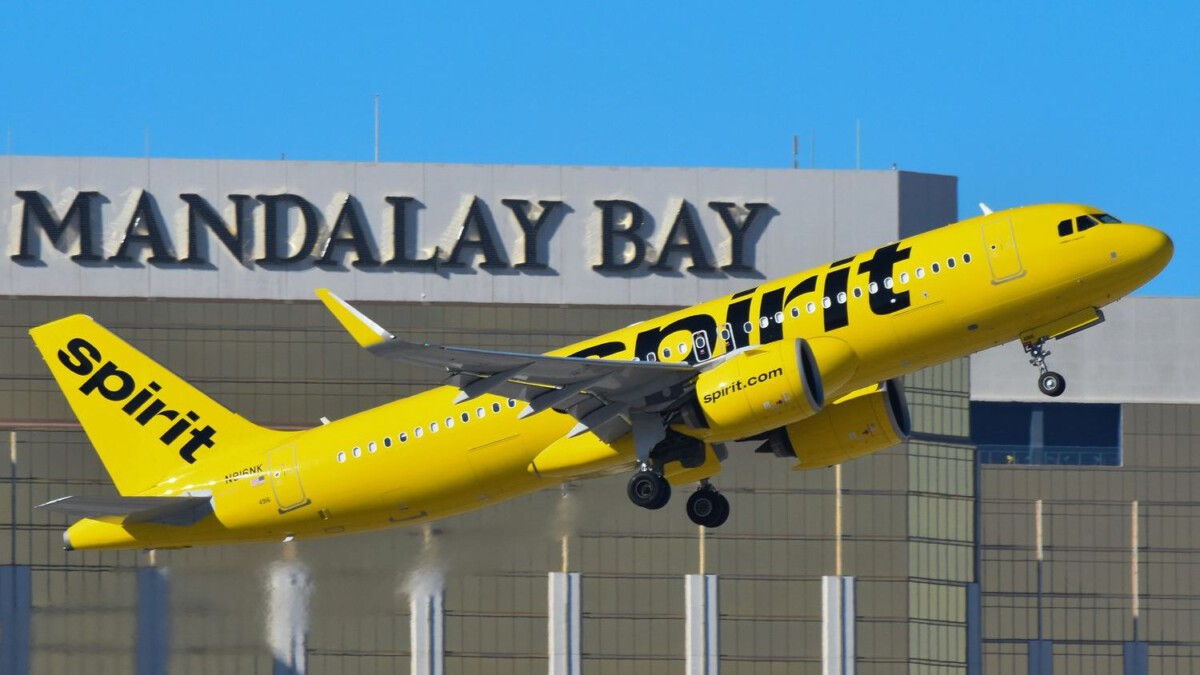
Spirit Airlines Shuts Down After Years of Struggle – Image for illustrative purposes only (Image credits: Unsplash)
Miramar, Florida — Budget airline Spirit Airlines initiated an orderly shutdown of all operations on May 2, 2026, ending more than three decades of service that transformed affordable flying in the United States.[1][2] The carrier, known for its bare-bones fares and array of add-on fees, succumbed to prolonged financial pressures following its second Chapter 11 bankruptcy filing within two years. Passengers with upcoming flights now face canceled itineraries, while the episode raises questions about the viability of ultra-low-cost models amid rising costs.
From Industry Disruptor to Shutdown
Spirit Airlines once revolutionized air travel by introducing rock-bottom base fares that forced competitors to rethink pricing strategies. Customers paid extra for carry-ons, seat selection, and even water, but the approach drew millions seeking the cheapest options. The model thrived for years, serving budget-conscious travelers across the country.[3]
Challenges mounted after the pandemic, compounded by a failed merger attempt and spiking jet fuel prices linked to geopolitical tensions, including the Iran war. The airline entered its first bankruptcy in 2024, restructured, and emerged only to file again in 2025. Negotiations for a $500 million government bailout collapsed in recent days, leaving no path forward.[4][5] On Friday, reports indicated operations could halt as early as 3 a.m. ET Saturday, a timeline that materialized swiftly.
What Happens to Existing Tickets and Bookings
All Spirit flights stand canceled, with the airline directing passengers not to head to airports. The company pledged to process refunds automatically for tickets bought directly via credit or debit card. However, experts caution that in a liquidation scenario, such payouts may delay or falter as creditors take priority.[6][7]
Travelers hold the strongest recourse through credit card chargebacks under the Fair Credit Billing Act, which covers undelivered services. Those who used debit cards or third-party booking sites face steeper hurdles but should still pursue disputes. The U.S. Department of Transportation advises contacting issuers promptly, ideally after first requesting a refund from Spirit in writing.[8][9]
Here are key steps for affected passengers:
- Do not travel to the airport; monitor your email for cancellation notices.
- Submit a refund request to Spirit via their website or customer service if still accessible.
- Contact your credit card provider to initiate a chargeback, providing proof of the booking and cancellation.
- Check travel insurance policies for potential coverage on non-refundable elements like hotels.
- For points or voucher bookings, resolution remains unclear; pursue disputes where possible.
Broader Fallout for Employees and the Airline Sector
The closure strands thousands of employees, many in South Florida where Spirit maintained its headquarters. Pilots, flight attendants, and ground crew now navigate sudden job loss amid an industry already strained by labor shortages and fuel volatility. No immediate details emerged on severance or final paychecks, though bankruptcy proceedings will dictate distributions.[10]
Spirit’s demise marks a pivotal moment for discount carriers. Analysts point to it as the first major casualty tied to elevated fuel costs from the Iran conflict, which eroded slim margins further. Other low-cost operators like Frontier and Allegiant now face scrutiny, as Spirit’s exit removes a key player in competitive routes.[11][12] Fares on budget routes may rise without the aggressive undercutting that defined Spirit’s strategy.
In its statement, Spirit reflected on its legacy: “It is with great disappointment that on May 2, 2026, Spirit Airlines started an orderly wind-down of our operations, effective immediately.” The note highlighted pride in the ultra-low-cost model’s industry impact over 33 years.[6]
Lessons for Budget Flyers Moving Forward
Budget travelers built habits around Spirit’s model, often stacking fares with personal bags to minimize costs. With its departure, options dwindle for spontaneous, no-frills trips. Competitors may absorb some routes, but expect adjusted pricing dynamics as supply tightens.
Regulators and lawmakers had eyed a federal rescue, but creditor resistance and fiscal debates stalled aid. The outcome underscores vulnerabilities in aviation’s low-end segment, where thin profits leave little buffer against external shocks. For now, passengers pivot to alternatives, weighing the trade-offs of higher base fares elsewhere.
As the dust settles, Spirit’s story serves as a cautionary tale for airlines chasing volume over resilience. Budget flying endures, but its cheapest chapter has closed, prompting flyers to rethink plans with greater caution.