
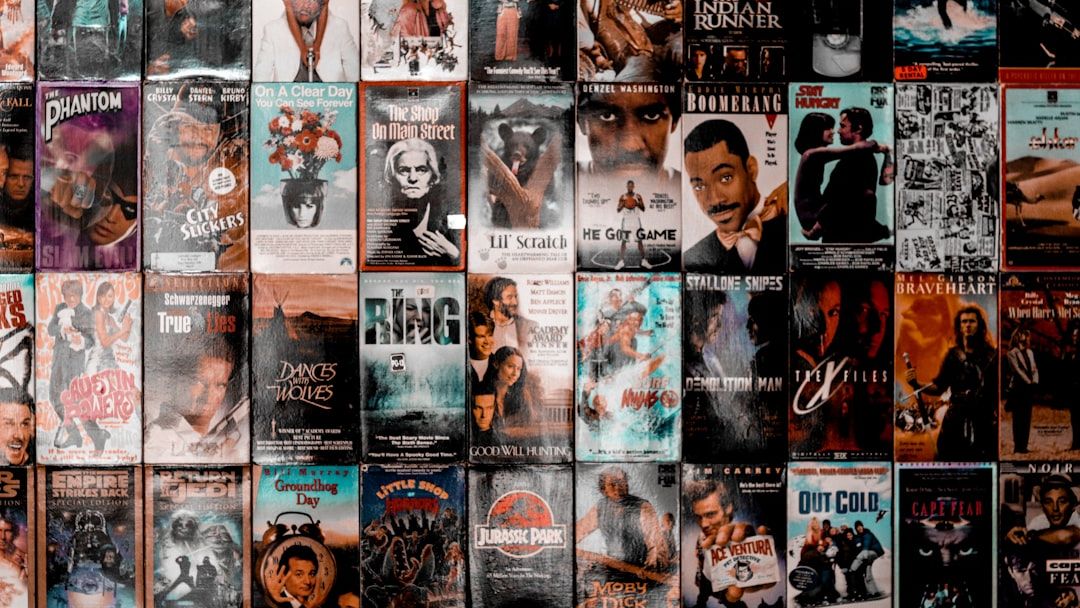
“Was I High When I Agreed To Do This?”: 36 Actors Who Publicly Slammed Their Famous Films – Image for illustrative purposes only (Image credits: Unsplash)
Hollywood careers often hinge on the projects actors choose, yet some performers have surprised audiences by voicing clear disappointment with the very films that brought them widespread recognition. One actor summed up the sentiment by noting that many viewers would label a certain 2010 release the weakest film of that year. These moments of candor reveal the gap between public perception of success and the private experience of making the work.
The Weight of Early Career Decisions
Actors frequently accept roles early in their careers when opportunities feel scarce and the promise of visibility is strong. What appears as a breakthrough at the time can later feel like a compromise once the finished product reaches theaters. The gap between script and screen often becomes apparent only after months of filming and editing.
Public comments about these experiences tend to surface years afterward, once the performer has established enough standing to speak freely. Such reflections rarely come with bitterness but instead carry a tone of honest hindsight. They underscore how the business side of entertainment can push talented people into projects that do not align with their artistic goals.
Patterns Behind the Regret
Many of these admissions point to similar pressures: tight shooting schedules, last-minute script changes, or creative clashes with directors. When the final cut fails to capture the original vision, the actor is left to answer for the result in interviews and on social media. The 2010 example illustrates how even modest expectations can fall short in the eyes of both the cast and the public.
These statements rarely damage the performer’s reputation. Instead, they often humanize the individual and remind audiences that film sets involve dozens of moving parts beyond any single person’s control. Fans sometimes appreciate the transparency, viewing it as a sign of integrity rather than complaint.
Impact on Future Choices
Once an actor has spoken openly about past dissatisfaction, subsequent role selections tend to reflect greater caution. Many shift toward independent projects or collaborations with directors known for respecting performer input. The experience serves as a quiet lesson in setting boundaries within an industry that rewards volume over selectivity.
Over time, these candid moments also influence how studios market films. Producers become more aware that today’s stars may revisit their work publicly, prompting more careful alignment between talent and material from the outset.
What These Reflections Reveal
Ultimately, the willingness of established actors to discuss films they no longer champion shows a maturing relationship with fame. It separates the person from the product and invites viewers to consider the human element behind every credit. In an era of constant social commentary, such honesty stands out as both rare and refreshing.
The conversation continues each time another performer chooses to share a similar perspective, reminding everyone that even the most celebrated projects carry private stories of compromise and growth.