
What Is the 48-Hour Rule?

Picture this: you spot something online that catches your eye, and instead of clicking buy right away, you add it to a list and wait two full days. That’s the core of the 48-hour rule, a straightforward habit designed to fight off those spur-of-the-moment spends. It applies to anything non-essential, like clothes, gadgets, or random home decor that suddenly seems vital. People who use it report forgetting about half the items by the time the wait is up. Financial advisors push it because it turns emotional urges into thoughtful decisions. Over time, this pause builds discipline without feeling restrictive. Studies back it up, showing delays like this cut unnecessary spending by a wide margin. In practice, it means jotting down the item, setting a reminder, and revisiting only if the desire sticks.
Anyone can start today, no apps or budgets required at first. Just commit to the wait for buys over a set amount, say twenty bucks or more. Families use it together, turning shopping into a group check-in after the timer. It shines brightest with online carts left abandoned overnight. Research from consumer behavior experts notes that most impulse urges fade within hours. Younger shoppers, hit hard by app notifications, find it resets their habits fast. Tracking a month’s avoided purchases often reveals hundreds saved effortlessly. This rule fits busy lives, needing only a phone note or calendar alert.
The Real Cost of Impulse Spending
![The Real Cost of Impulse Spending ([360/365] Private, CC BY-SA 2.0)](https://nvmwebsites-budwg5g9avh3epea.z03.azurefd.net/everydaystates/7891e33fbff5fb46d1ac8521e63d6778.webp)
Americans drop around $280 a month on impulse buys on average, adding up to over $3,300 yearly without much thought. That’s cash that could go toward debt payoff or fun trips instead. Surveys from 2025 show nearly nine out of ten shoppers admit to these unplanned grabs. Millennials lead with nearly half spending over a hundred bucks monthly on whims. Food delivery apps and quick online checkouts fuel this trend heavily. One study pegged annual regrets at about $2,000 per person from hasty choices. Non-essential splurges like these eat into savings goals quietly. Weekly tallies reveal how small hits compound into big losses over time.
Gen Z faces similar traps, with over a third wasting more than a hundred monthly. Total non-essentials hit $1,500 a month for many households. Impulse accounts for up to 80 percent of some purchases in stores. Digital wallets make it painless, hiding the true outflow. Experts link this to rising credit card balances nationwide. Tracking reveals patterns, like evenings after work when boredom strikes. Cutting these frees up room for real priorities. The average person regains control and stacks cash fast with awareness alone.
Why Impulse Buys Feel Irresistible
Our brains light up from dopamine hits when we snag a deal, mimicking addiction cycles. Retailers know this, blasting limited-time alerts to spike urgency. Emotional states like stress or boredom push buttons hardest. Psychological studies confirm emotional decisions dominate quick spends. One-click systems erase friction, making spending feel free. Social media scrolls amplify envy-driven grabs. Research shows these urges peak in evenings, fading by morning light. Habits form fast without checks, turning wants into autopilot buys.
Younger folks chase trends via TikTok shops, averaging eleven impulses monthly. Behavioral economics explains how scarcity tricks rational thought. Post-purchase regret hits over half of buyers soon after. Delays let logic reclaim the wheel. Triggers vary, from ads to peer posts. Awareness breaks the loop over weeks. Many rethink needs after sleep clears the haze. This insight empowers lasting change without willpower battles.
Psychology Behind the 48-Hour Pause

Waiting two days lets excitement cool, shifting from gut to brainpower. Studies in behavioral economics prove desires drop sharply after initial buzz. Rational review often uncovers better alternatives or total unneed. It mimics natural reflection, like sleeping on big choices. Emotional spending plummets as prefrontal cortex takes charge. Research ties this to fewer regrets and steadier finances. Shoppers report clearer priorities post-wait. The rule trains impulse resistance like a muscle over months.
Cooling periods reduce buyer’s remorse by wide margins. Experts note it counters retailer urgency tactics effectively. Faded hype reveals true value gaps. Group waits with partners strengthen accountability. Data shows sustained use halves impulse frequency. It fosters gratitude for what you already own. Long-term, minds rewire toward intentional living. Simple yet profound, it rebuilds spending smarts.
Online Traps the Rule Defeats
Countdown timers and low-stock warnings prey on fear of missing out daily. Flash sales hit inboxes, pushing instant action. One-click checkouts bypass hesitation entirely. Platforms design for speed, not reflection. A 2025 survey found most regrets stem from these digital lures. Abandoned carts after 48 hours save the day often. Algorithms personalize temptations perfectly. The rule disrupts this cycle cleanly.
Mobile apps make spending pocket-easy anytime. Limited alerts spike heart rates artificially. Post-wait, many find prices match elsewhere cheaper. Behavioral data confirms waits slash online overspend. Notifications lose power after pauses. Savvy users combine it with ad blockers. Results show monthly savings in hundreds quickly. It levels the digital playing field smartly.
BNPL Fuels Impulses, Rule Fights Back

Buy Now Pay Later services tempt with zero-upfront pain, boosting spends by over six percent. Nearly half of users admit more impulses thanks to them. Younger consumers lead adoption, missing payments often. It masks true costs, inflating totals. 2026 stats show billions in holiday BNPL alone. Regrets follow when installments bite. The 48-hour wait exposes hidden fees clearly. It prevents deferred debt piles effectively.
Ease encourages extras piled on carts freely. Surveys link BNPL to higher overall outlays. Pauses let full math sink in properly. Many cancel after seeing annual impacts. Experts warn of cycle risks long-term. Rule users dodge these traps routinely. Savings compound as habits stick. Awareness via delay protects futures wisely.
Subscriptions and Sneaky Recurring Costs
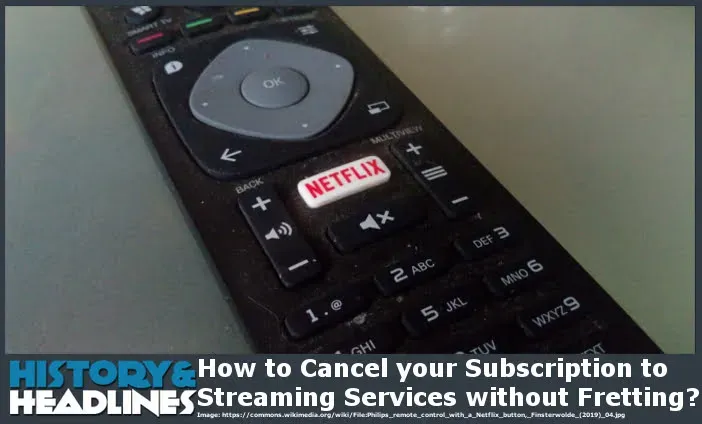
Forgotten trials turn into hundreds yearly unnoticed. Microtransactions in games add up stealthily. Apps auto-renew without fanfare often. Averages hit substantial monthly drains quietly. Reviews reveal most hold unused services. The rule extends to these, prompting cancels pre-charge. Weekly checks pair well for full control. Many reclaim $50 to $100 monthly this way.
Streaming piles surprise at bill time regularly. Impulse sign-ups during ads proliferate. Post-48-hour audits clear dead weight fast. Data shows vast majorities overspend here. Bundles hide individual values poorly. Users report freedom after purges. Pairing with calendars prevents renewals. Steady savings build emergency funds steadily.
Steps to Make the Rule Stick
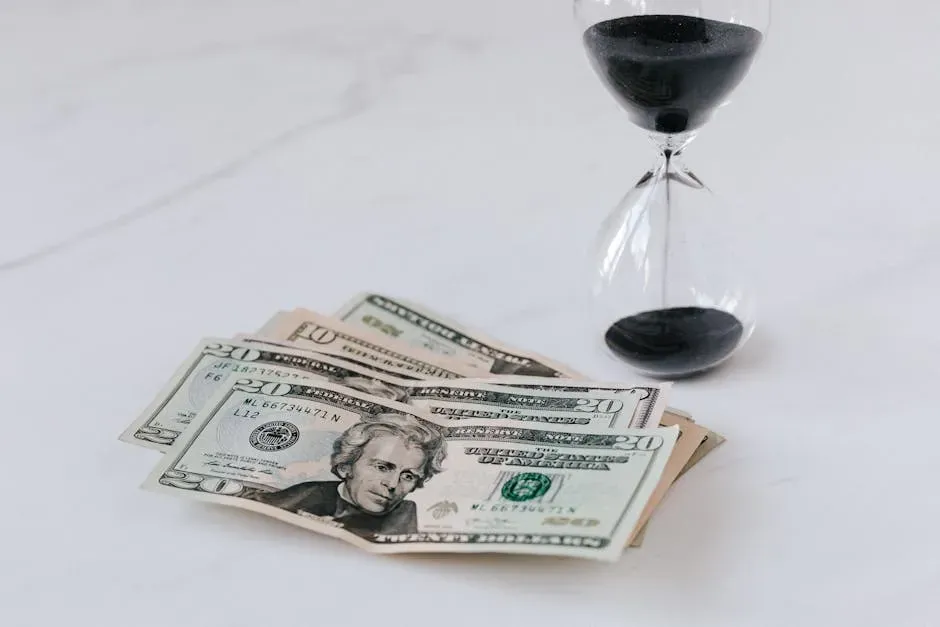
Add items to a wishlist app with timers set. Review only after 48 hours pass fully. Start small, like under fifty-dollar buys first. Track avoided spends in a simple log weekly. Share with a buddy for nudges. Adjust wait longer for pricier temptations. Celebrate milestones like first hundred saved. Consistency turns it habitual naturally.
Phone reminders ping at wait ends precisely. Reflect on needs during holds thoughtfully. Budget tie-ins amplify effects over time. Exceptions for true needs keep it realistic. Monthly recaps motivate onward. Families vote on shared wants post-pause. Experts affirm it scales to big goals. Lasting wealth grows from these pauses daily.