

Many of us reach for our phones without thinking when a fact slips our mind or a route needs checking. Screens have become so woven into daily routines that recalling how things worked without them feels distant for some. This shift has sparked interest in what researchers call digital amnesia, where reliance on devices changes how memories form and stick.
Recent discussions highlight how constant access to information might ease immediate needs but alter deeper recall over time. Studies from the past couple of years explore these patterns without painting technology as an outright villain. Instead, they point to a more balanced view of adaptation and trade-offs in how brains handle knowledge today.
The Basics of Digital Amnesia
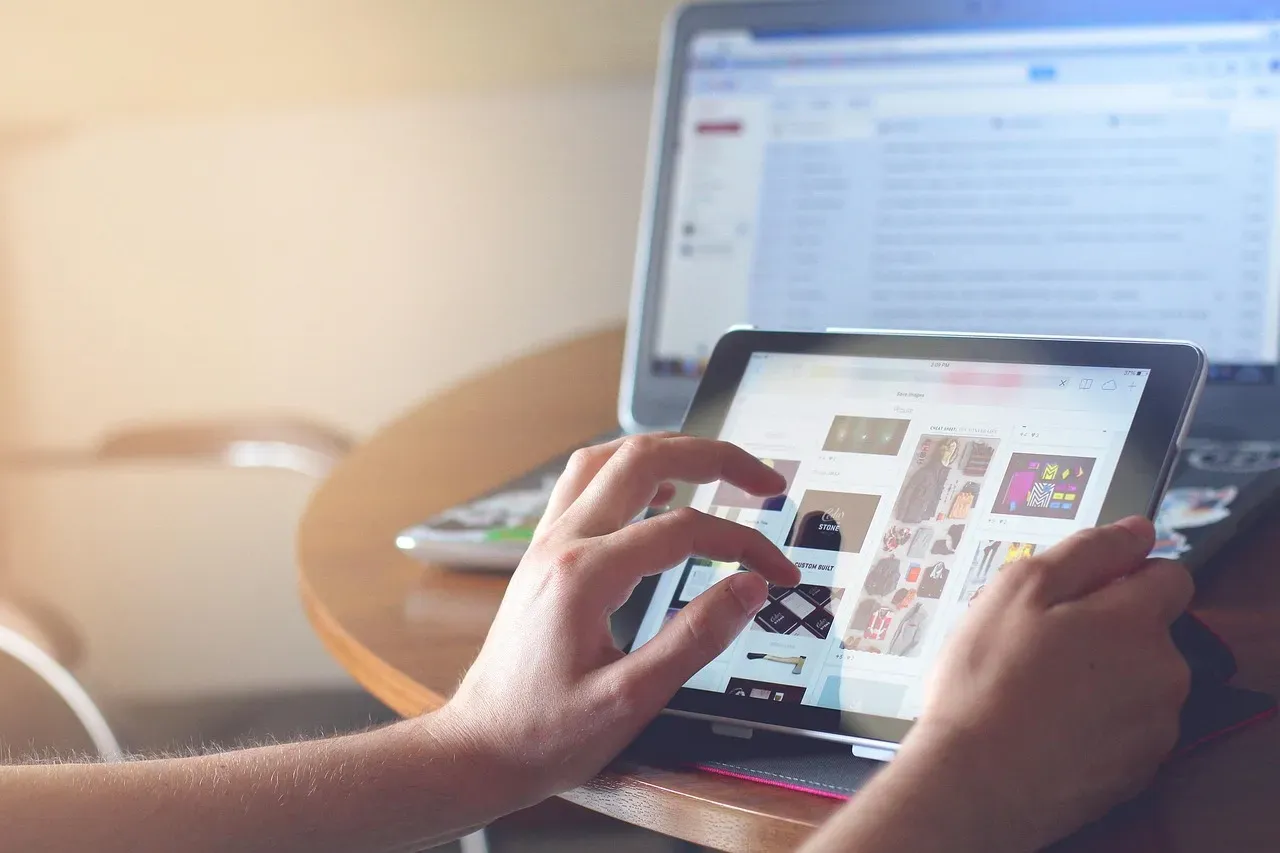
Digital amnesia describes the tendency to forget details that can be retrieved quickly from online sources or apps. People often remember where to find information rather than the information itself. A 2024 meta-analysis of multiple studies confirmed this pattern holds stronger for frequent internet users and those searching on mobile devices.
Surveys show many adults now view their phones as extensions of their own minds. In one set of findings, roughly a third of Europeans and over nine in ten Americans described devices this way. Dependence has grown noticeably compared to just five years earlier, with most reporting they turn to screens first for facts they once kept in their heads.
Smartphones as External Memory Banks

Before widespread smartphone use, people memorized phone numbers, directions, and schedules through repetition and necessity. Now, contact lists and maps handle those tasks, freeing mental space but reducing practice with internal storage. Research indicates this offloading happens automatically once users know the data stays accessible.
One older but still referenced survey found nearly half of participants believed their phone held almost everything worth remembering. Younger adults showed even higher rates of relying on stored data instead of personal recall. This habit builds over years of daily use and becomes hard to notice until a device is unavailable.
Search Engines and the Google Effect
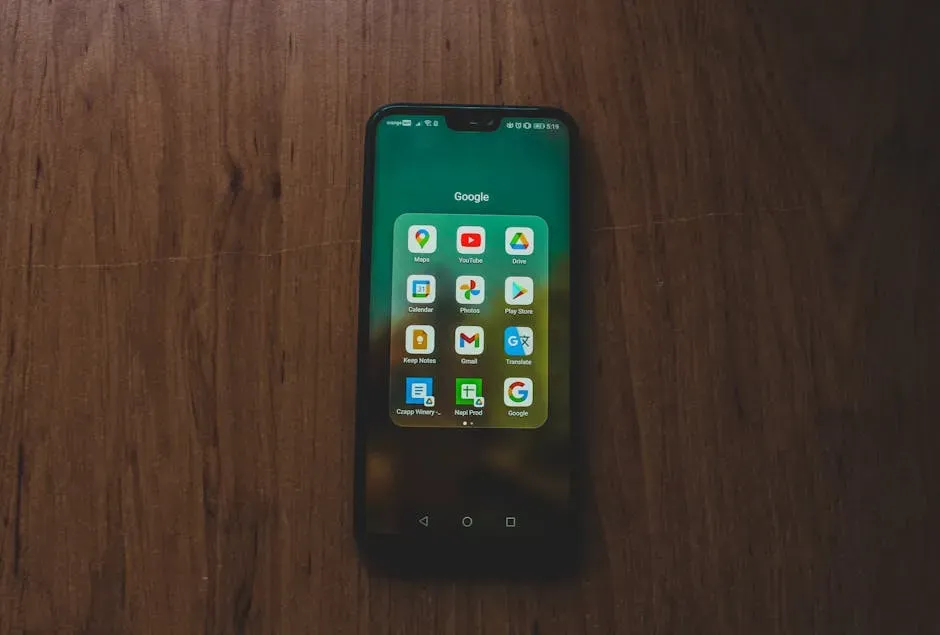
The Google effect captures how search tools encourage forgetting facts known to be available online. Participants in early experiments recalled less when told they could look things up later. A 2024 review of 35 studies found the pattern persists, especially among heavy searchers who treat the internet as a reliable backup.
Regional differences appear too, with North American users showing stronger effects than those elsewhere. The brain seems to prioritize knowing access points over content details. This works well for quick answers yet leaves gaps when technology fails or when deeper understanding matters.
Shifts in Attention and Daily Focus

Constant notifications and quick checks fragment concentration in ways that affect memory encoding. Attention spans measured in recent data dropped sharply, reaching around 47 seconds by 2024 and 2025 during screen-based tasks. Shorter focus windows make it harder to form lasting impressions of events or conversations.
People report feeling present in moments yet struggle to recall specifics later without photos or notes. This stems partly from divided attention rather than outright loss. Over time, the pattern reinforces itself as devices fill every quiet pause that once allowed reflection.
Personal Experiences and Stored Memories

Life events now often pass through a screen first, with photos and videos capturing details the mind might otherwise retain. Some studies suggest this external record reduces the effort to encode experiences internally. The result can feel like having the facts but missing the emotional texture that comes from active remembering.
Older generations describe clearer mental maps of places visited without GPS guidance. Younger adults who grew up with always-on devices sometimes note surprise at how little they retain without digital prompts. These differences highlight how habits formed early shape long-term memory styles.
Nomophobia and the Fear of Disconnect

Anxiety without a phone nearby has become common enough to earn its own label. A 2025 review of dozens of studies across many countries found about one in five people experience severe forms of this unease. Moderate levels affect over half the participants in those samples.
The discomfort arises because so much daily functioning now depends on the device. Losing access suddenly exposes how little certain information lives in the head alone. This cycle strengthens reliance and makes periods without screens feel unsettling rather than freeing.
AI Tools and Added Cognitive Load
Emerging AI assistants speed up tasks but may further reduce active mental engagement. Early 2025 research from MIT explored how heavy use of language models for writing led to lower brain activity in areas tied to memory and analysis. Users accepted outputs without much cross-checking in some cases.
The convenience comes with a potential cost to independent processing. When tools handle summarization or idea generation, the brain practices less of those skills. Patterns observed so far suggest benefits for speed alongside risks for deeper retention when overused.
Generational Views on Pre-Screen Life

Those born before widespread smartphones often recall routines built around physical maps, printed schedules, and face-to-face planning. Waiting rooms or commutes once invited daydreaming or casual talk instead of scrolling. These moments built different memory habits through repetition and presence.
Younger cohorts who never knew that baseline sometimes express curiosity about it in online discussions. They navigate a world where every fact or direction sits one tap away. The contrast shows how quickly norms shift and how memory adapts to whatever tools dominate daily life.
Recent Research Findings and Nuances

Not all evidence points to harm. A large 2025 analysis of over 400,000 adults found greater technology use linked to lower rates of cognitive decline in people over 50. The overall odds suggested a meaningful protective association rather than risk.
Other work emphasizes that offloading works as an adaptive strategy when used thoughtfully. It frees resources for higher-level thinking instead of rote storage. The key appears to lie in balance, where devices supplement rather than fully replace internal efforts.
Practical Steps Toward Better Balance

Small changes like turning off notifications during focused periods or practicing recall before searching can strengthen memory muscles. Some people set device-free times to encourage natural encoding of experiences. These habits do not require abandoning technology but rather using it with more intention.
Reading physical books or navigating without apps occasionally provides low-stakes practice. Over weeks, such routines help rebuild confidence in personal recall. The goal remains integration rather than rejection of helpful tools.