
Early Footprints and Burial Contexts
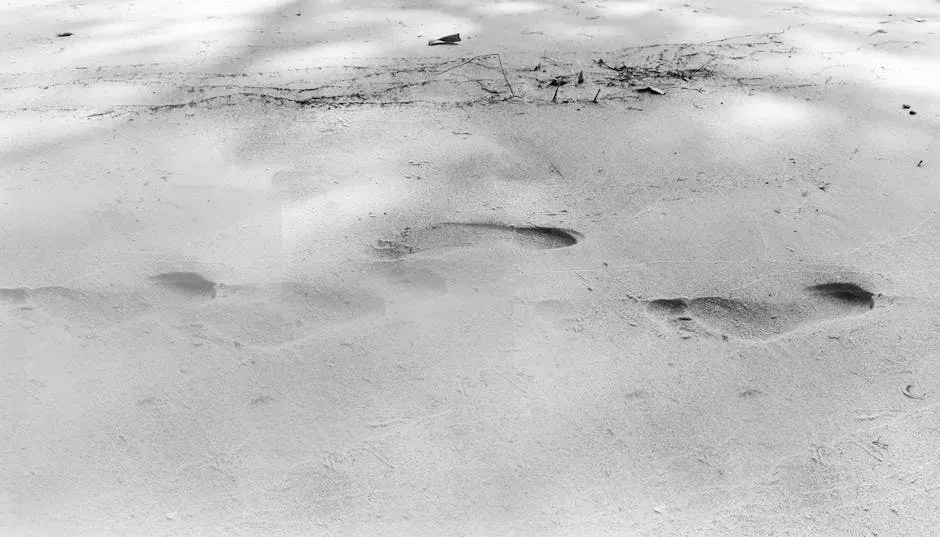
Footprints preserved in ancient lakebeds at White Sands show people moving through the landscape long before traditional timelines suggested. These tracks, dated between 21,000 and 23,000 years old in a 2025 study, indicate small groups traveling quickly across what is now New Mexico. The surrounding environment points to hunter-gatherer routines shaped by seasonal water sources and available game.
Burial sites nearby sometimes contain similar stone tools and plant remains that match the footprint evidence. This combination helps researchers understand how early arrivals adapted to new terrain without relying solely on later village remains. The findings adjust ideas about when and how people first settled across the continent.
Dental Clues to Daily Nutrition

Teeth from colonial-era cemeteries often show wear patterns linked to coarse grains and tough meats common in early settlements. Isotope analysis of enamel reveals diets heavy in maize and local fish rather than imported goods for many individuals. Such details emerge from sites in the Northeast where preservation allows close examination.
These markers also highlight periods of nutritional stress during harsh winters or crop failures. Researchers compare multiple graves to track shifts in food access over generations. The patterns align with historical accounts of self-sufficient farming communities.
Bone Evidence of Health Challenges
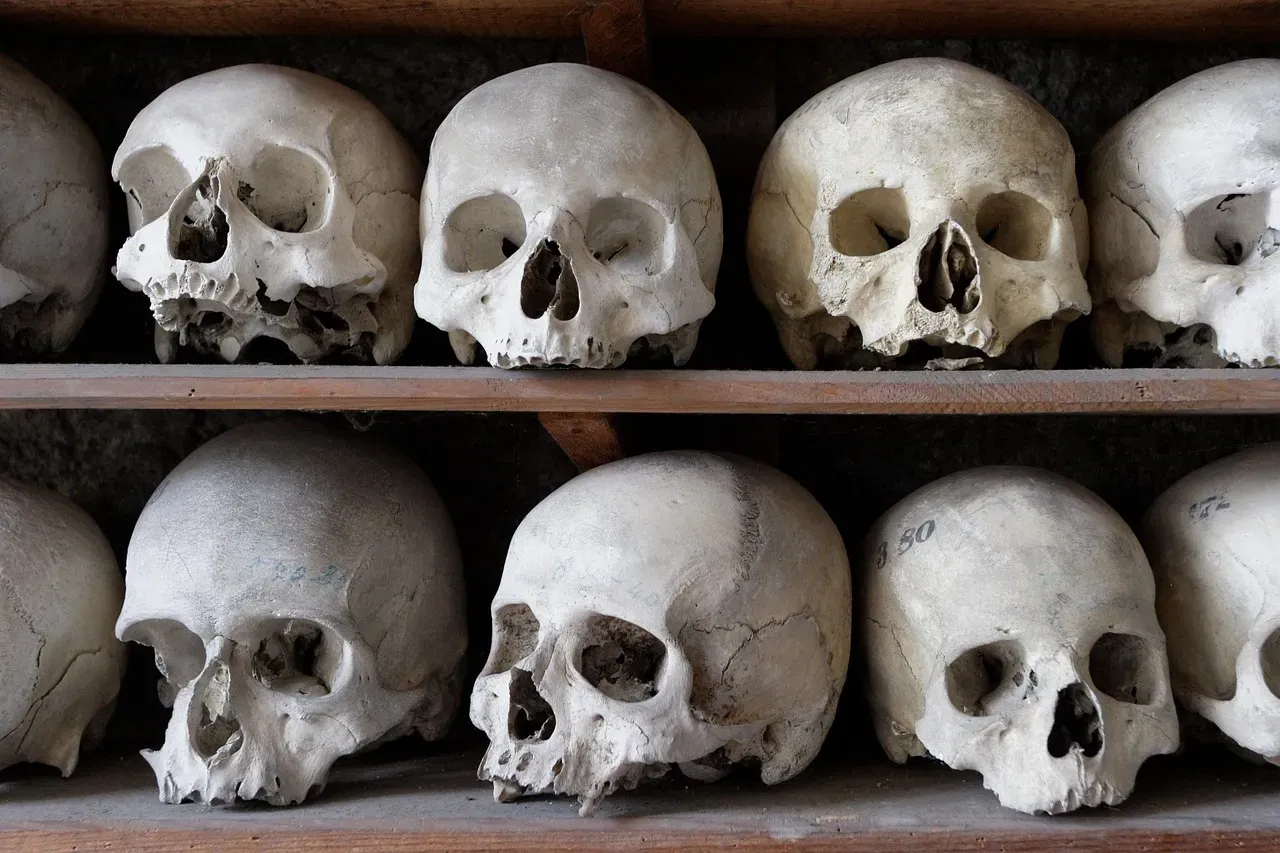
Skeletal remains frequently display signs of arthritis and healed fractures that reflect physical labor in farming or trade. In some 18th-century American sites, bone lesions point to infectious diseases that spread through crowded households. These conditions appear more often in adult males who likely worked outdoors year-round.
Childhood growth disruptions show up in lines on long bones, suggesting occasional food shortages. Comparison across cemeteries helps separate local outbreaks from broader epidemics. The data paints a picture of resilience amid recurring hardships.
Family Ties Uncovered by DNA

Genetic testing at the Catoctin Furnace cemetery in Maryland connected 27 individuals buried there to roughly 42,000 living descendants. The 2023 study published in Science demonstrated how enslaved and free African Americans formed tight-knit groups despite forced separations. Shared markers reveal kinship networks that extended beyond immediate households.
Similar DNA work at other historic sites shows non-blood relatives buried together, indicating chosen family bonds. These results challenge assumptions based only on written records. They add depth to understanding community support systems in early America.
Grave Goods and Social Standing
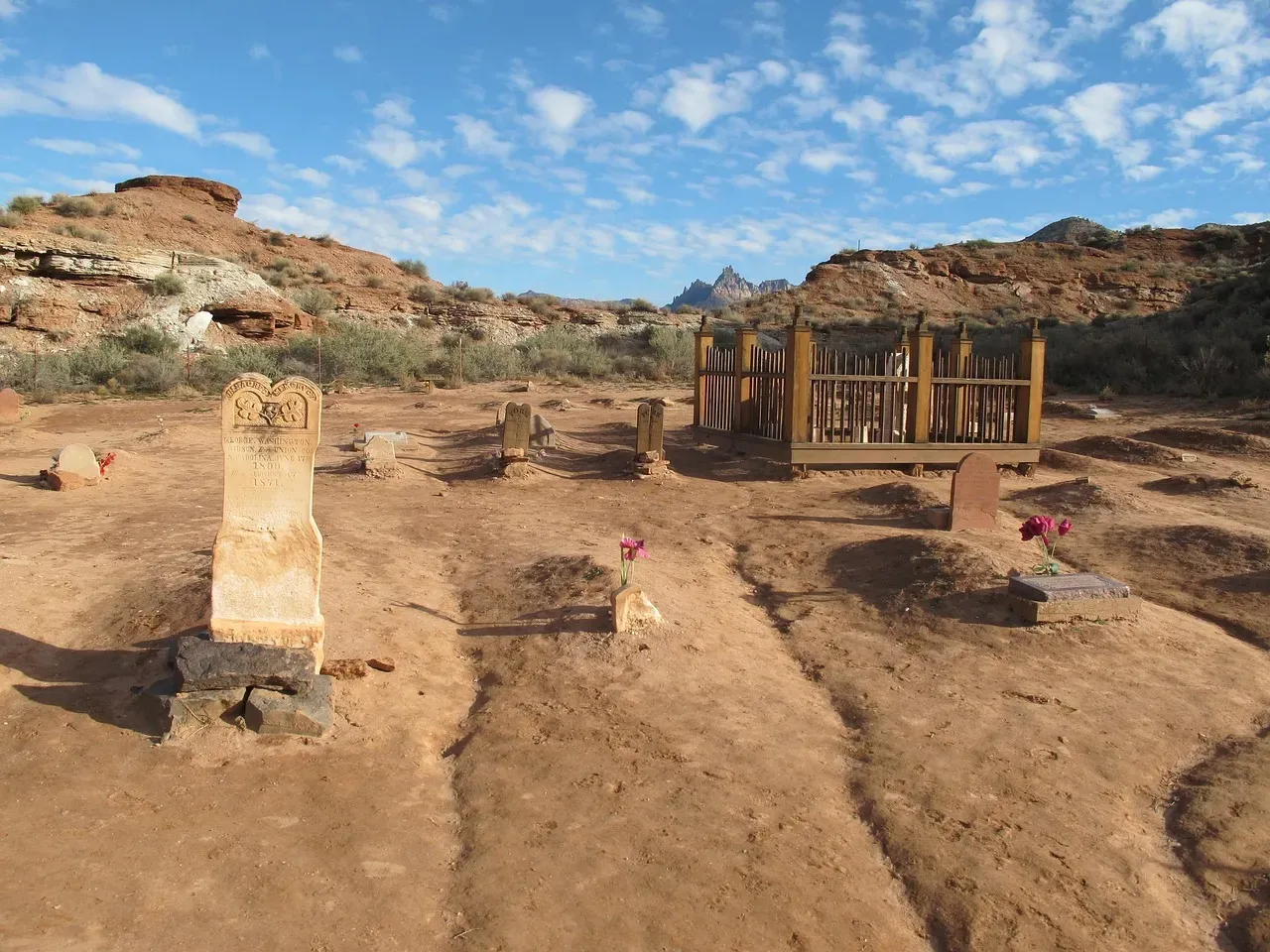
Personal items placed with the deceased often include tools, beads, or simple jewelry that reflect occupation and status. At pioneer cemeteries in the Midwest, farming implements appear more frequently with adult males. Women’s graves sometimes hold sewing tools or household items that speak to daily routines.
Variations in coffin hardware and marker quality further distinguish economic levels within the same community. Researchers note these differences without assuming rigid hierarchies. The objects provide tangible links to individual roles in society.
Migration Traces in Isotope Signatures

Strontium and oxygen isotopes in teeth and bones track where people spent their early years. Studies of Caribbean-linked sites like Fort Amsterdam show some individuals originated far from their final resting place. This evidence points to forced movement during the colonial period.
Local-born residents display different signatures that match surrounding soil and water sources. The contrast helps map population flows across regions. Such data complements shipping logs and census fragments from the same era.
Burial Patterns and Community Values
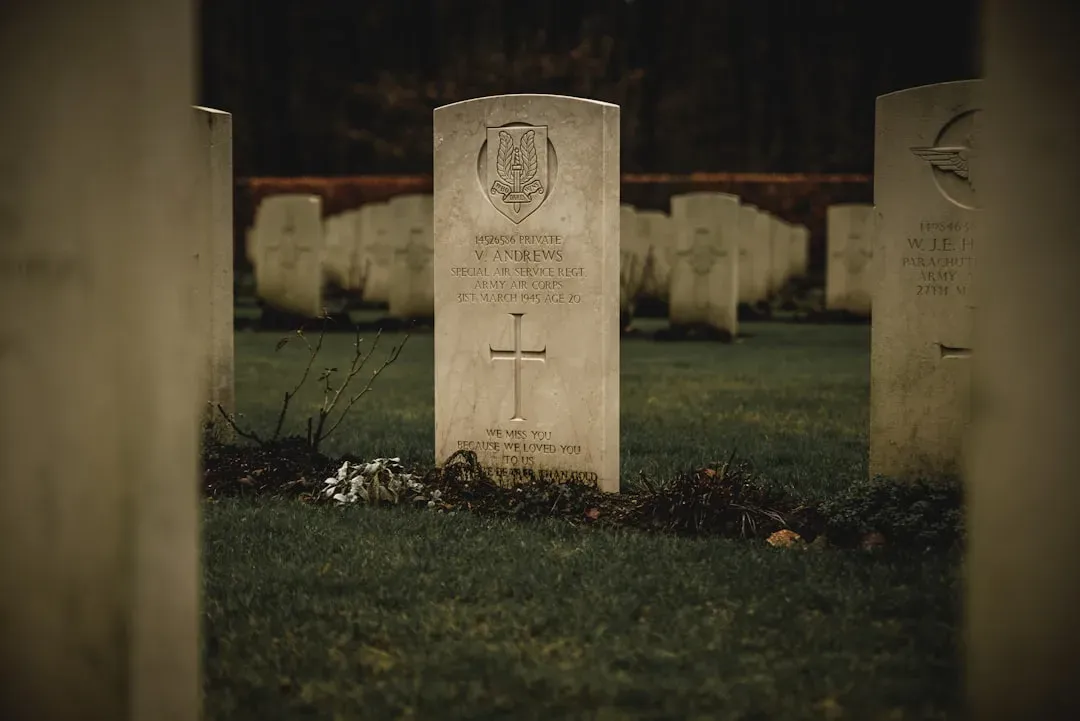
Orientation of graves and grouping by age or gender appear consistently at many historic American sites. Rows aligned with sunrise suggest shared spiritual beliefs among settlers. Multiple burials in single plots often indicate close relationships or epidemic losses.
These arrangements differ from earlier Native American mound sites where communal structures dominate. The shift reflects changing ideas about individual identity over time. Patterns hold steady across dozens of excavated locations.
Environmental Clues from Preservation
Soil conditions around graves preserve certain materials better than others, revealing local climate effects. In drier western sites, leather and wood survive longer, showing tool use and clothing styles. Wetter eastern cemeteries yield more bone detail but fewer organics.
Recent surveys note how modern development threatens these layers of information. Careful excavation still recovers enough to reconstruct daily environments. The physical setting itself becomes part of the story.
Gender and Age in Daily Roles
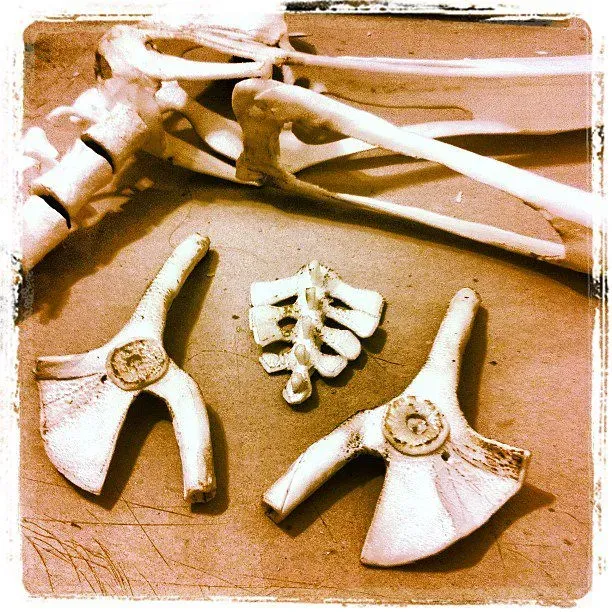
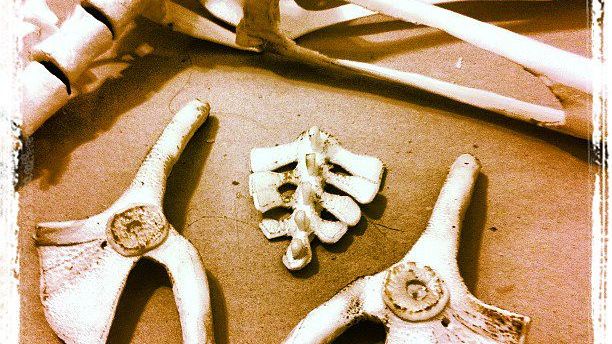
Analysis of pelvic bones and skull features allows estimation of sex and age at death for most remains. Higher rates of certain injuries in one group point to division of labor by gender. Children’s graves with fewer goods sometimes indicate shorter life expectancies in frontier conditions.
Adult females show evidence of repeated pregnancies through pelvic changes in some collections. These biological markers combine with artifact placement to outline household responsibilities. The picture emerges gradually from many individual cases.
Enduring Lessons from the Ground
Each new excavation adds pieces to a larger view of how people sustained themselves across centuries. The combination of physical evidence and genetic links creates a fuller record than either source alone. Communities today use these findings to reconnect with forgotten relatives and traditions.
Graveyards continue to offer grounded perspectives on resilience and adaptation. Their secrets remain accessible to careful study rather than speculation. The stories they hold shape ongoing conversations about shared heritage.