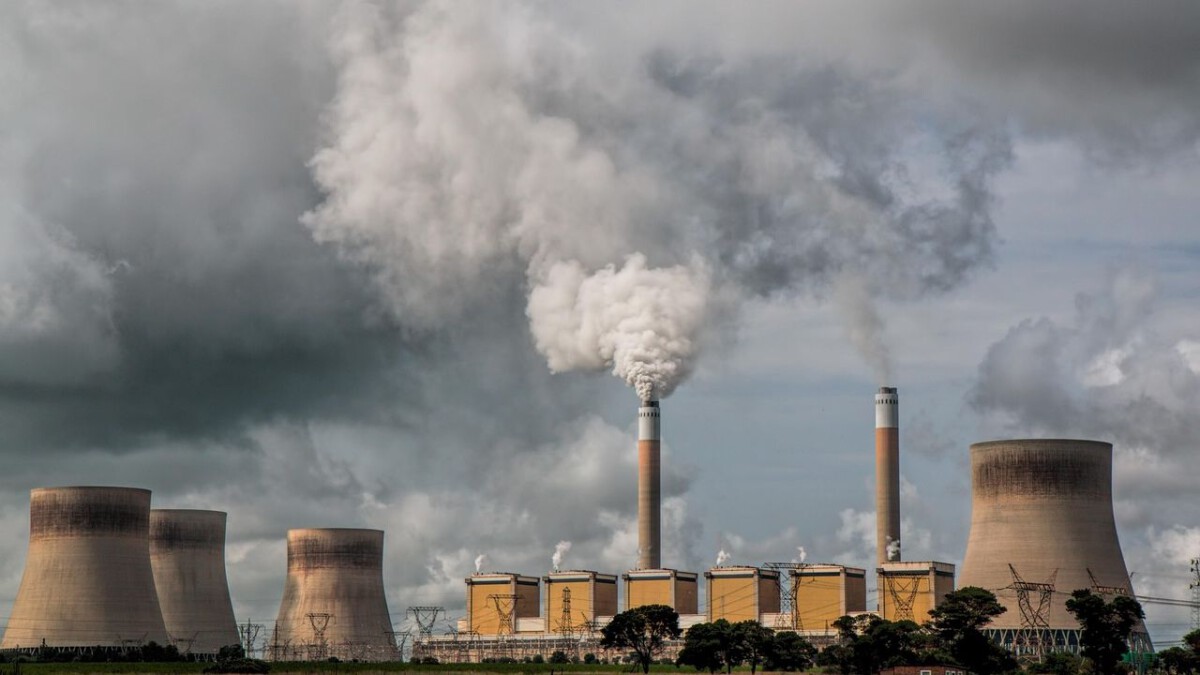

Electricity demand keeps climbing across much of the country as air conditioning use spikes during the hottest months. At the same time, several regions face tighter supply margins because of generator retirements and slower additions of new resources. Recent assessments from grid reliability experts highlight where those pressures could turn into real problems this summer.
Texas
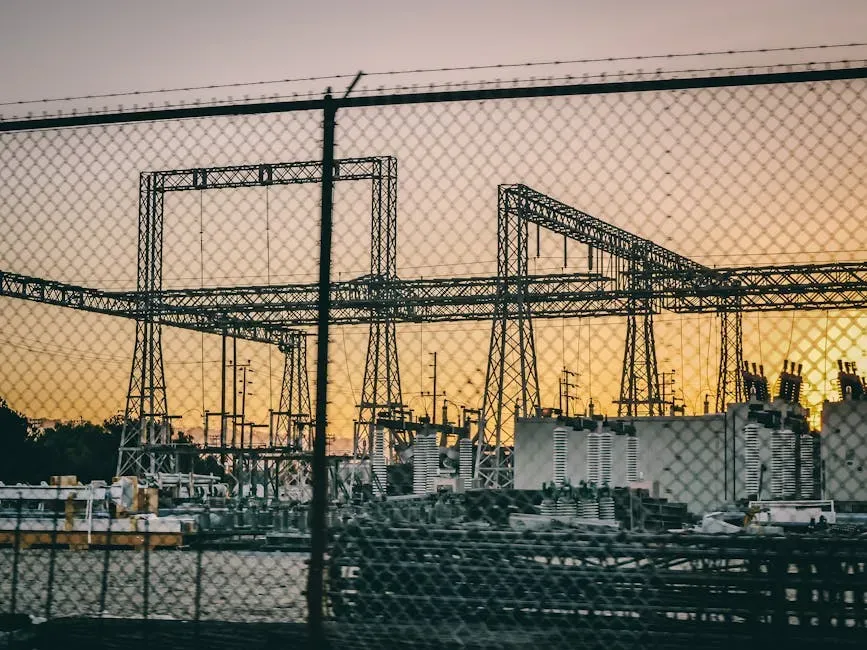
Texas stands out because its isolated grid must handle rapid growth in large industrial loads alongside extreme summer heat. Demand forecasts show summer peaks rising sharply, and while new generation is coming online, the timing leaves little buffer during prolonged hot spells. Operators have gained tools to manage big new users during emergencies, yet the overall picture remains tight according to the latest long term review.
Heat waves can push the system close to its limits when wind output drops at the same time. Past events have shown how quickly reserves can shrink under those conditions. Residents and businesses in the state have seen rolling outages in previous summers when similar stresses aligned.
California
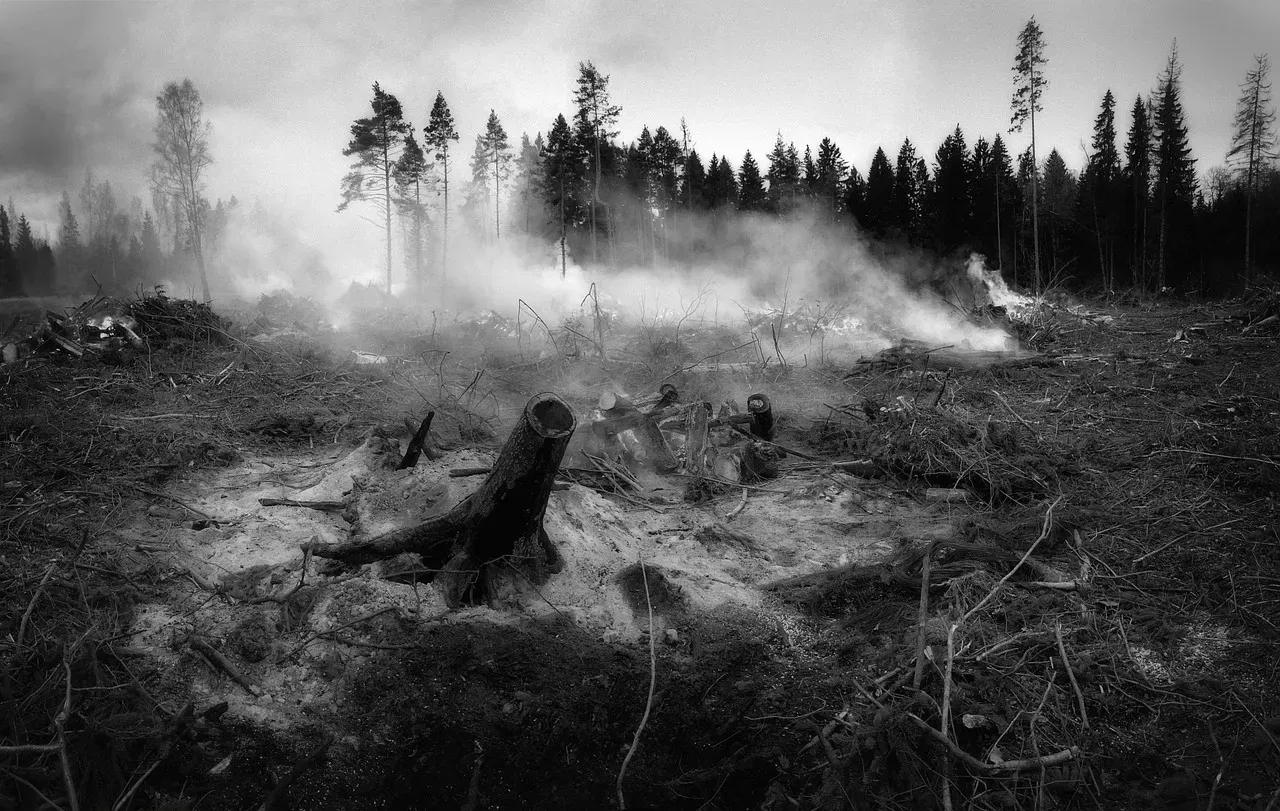
California deals with a combination of high temperatures, wildfire risks that can force transmission lines offline, and heavy reliance on imports during peak hours. The state has added substantial solar capacity, but evening ramps after sunset still create vulnerability windows. Drought conditions in some years further limit hydropower contributions when they are needed most.
Grid planners track these patterns closely because even brief shortfalls can affect millions. Recent reliability reports note that abnormal weather can quickly tighten available resources across the western interconnection. Preparation efforts focus on demand response programs to ease the strain during the hottest afternoons.
Illinois

Illinois sits within a larger Midwest region where load growth from data centers and manufacturing is outpacing some traditional supply additions. Summer peaks can coincide with periods of lower wind generation, leaving operators with narrower margins. Transmission constraints sometimes limit power flows from neighboring areas when they are needed most.
Analyses of recent years show that above normal demand combined with generator outages has tested the system repeatedly. New natural gas and solar projects are under development, yet the pace of retirements keeps the balance delicate. Local utilities emphasize conservation alerts when forecasts point to extended heat.
Michigan
Michigan experiences notable heat related outage patterns tied to both high demand and aging distribution infrastructure in some areas. The state benefits from connections to broader regional markets, but those ties can become stressed during widespread hot weather across the Midwest. Historical data indicate frequent challenges during summer peaks.
Efforts to modernize lines and add flexible resources continue, yet the combination of weather and load still creates exposure. Grid operators monitor reserve levels carefully as temperatures climb. Communities have grown accustomed to occasional conservation requests during the warmest stretches.
New York

New York faces summer reliability questions driven by dense urban demand and the retirement of older generation units in recent years. Transmission into the downstate area remains a key bottleneck during peak periods. Heat waves can coincide with reduced output from certain resources, narrowing the safety cushion.
State and regional planners have highlighted these dynamics in seasonal outlooks. Demand response initiatives and efficiency programs help offset some pressure, but the underlying resource picture stays closely watched. Prolonged high temperatures test the limits of available supply and delivery systems.
Florida
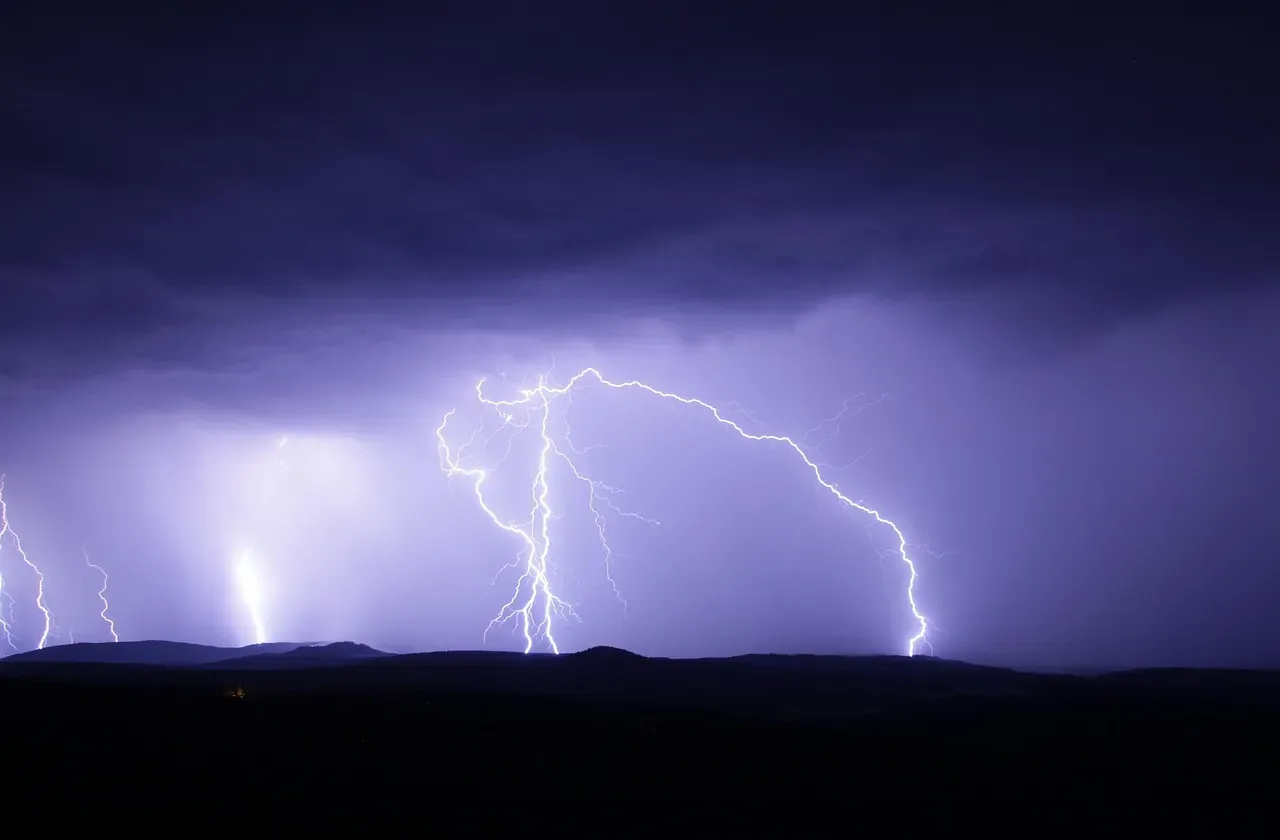
Florida contends with intense summer heat and humidity that drive air conditioning loads to record levels. The state also deals with frequent thunderstorms that can damage distribution equipment even without major hurricanes. Population growth continues to add to overall demand each year.
Utility reports note that these factors combine to create recurring stress points during the hottest months. Investments in grid hardening and storm resistant infrastructure are ongoing, yet the sheer volume of peak usage keeps margins under observation. Residents often receive advance notices when conditions look challenging.
Arizona
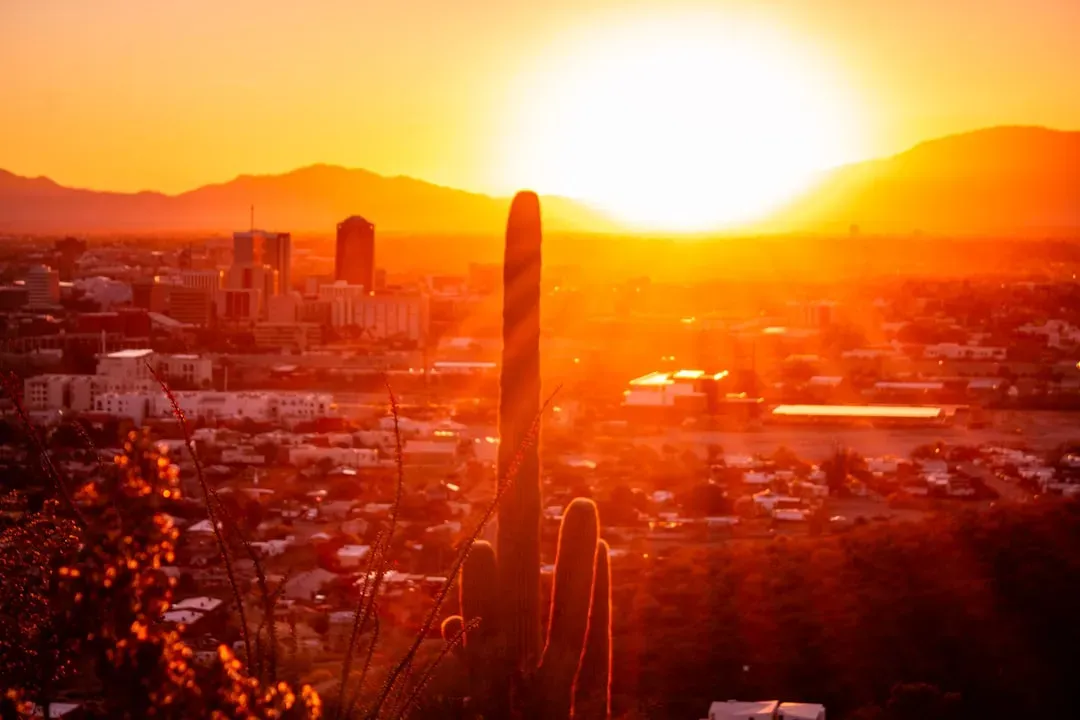
Arizona experiences some of the highest summer temperatures in the nation, pushing electricity use for cooling to extreme levels. The region relies on a mix of local generation and imports that can face limitations during wide area heat events. Water availability for cooling at power plants adds another layer of consideration in dry years.
Recent assessments point to the need for careful management of resources when demand spikes coincide with lower output from renewables. Transmission upgrades are helping move power more effectively, but the fundamental heat driven pressure remains significant. Local utilities promote programs to shift usage away from the hottest hours.
North Carolina
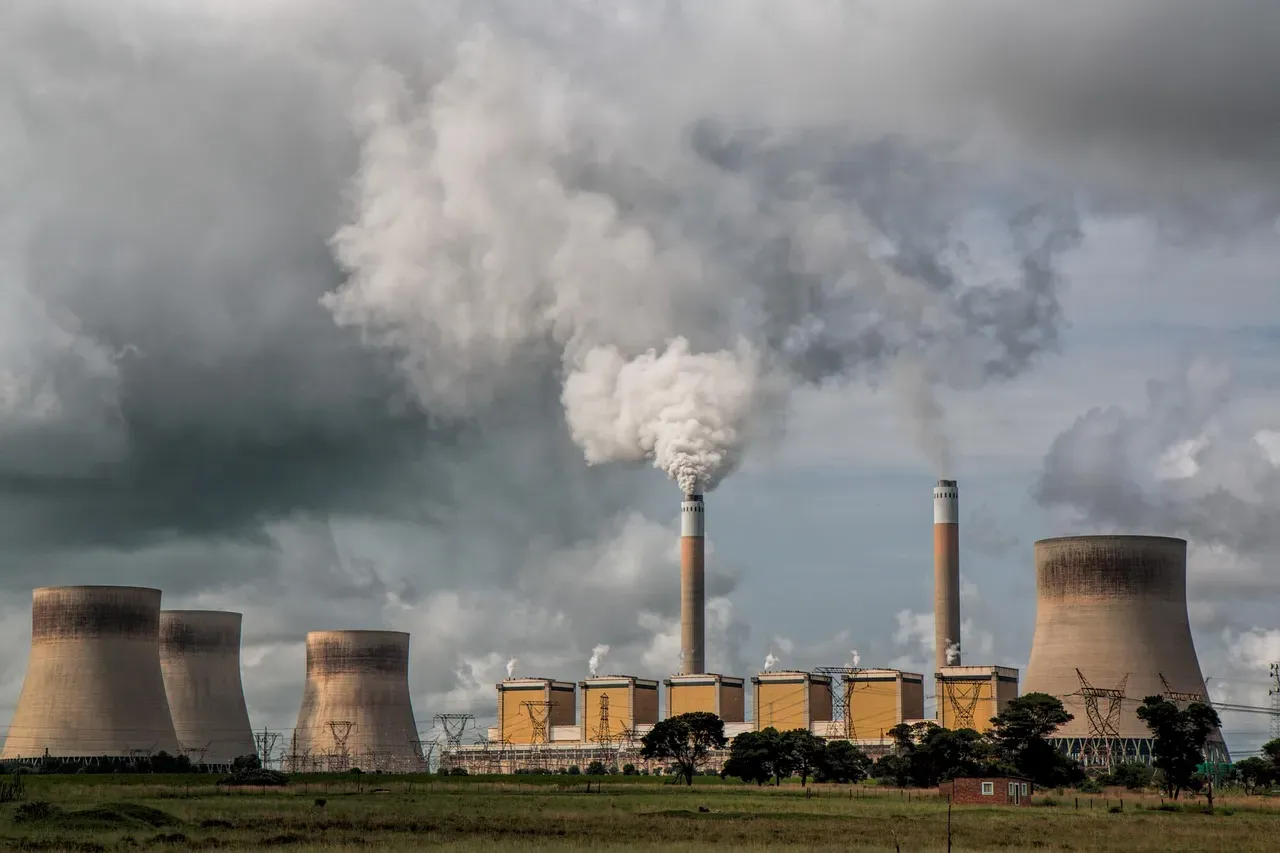
North Carolina sees growing summer demand alongside occasional transmission limitations that can affect power delivery during peaks. The state has experienced weather related outages tied to both heat and severe storms in recent seasons. Resource additions are underway, yet the timing leaves some exposure in the near term.
Regional studies show that above normal temperatures can quickly reduce available reserves when combined with other factors. Grid operators coordinate closely with neighboring systems to maintain balance. Public alerts about potential strain have become more common during extended hot periods.
Louisiana
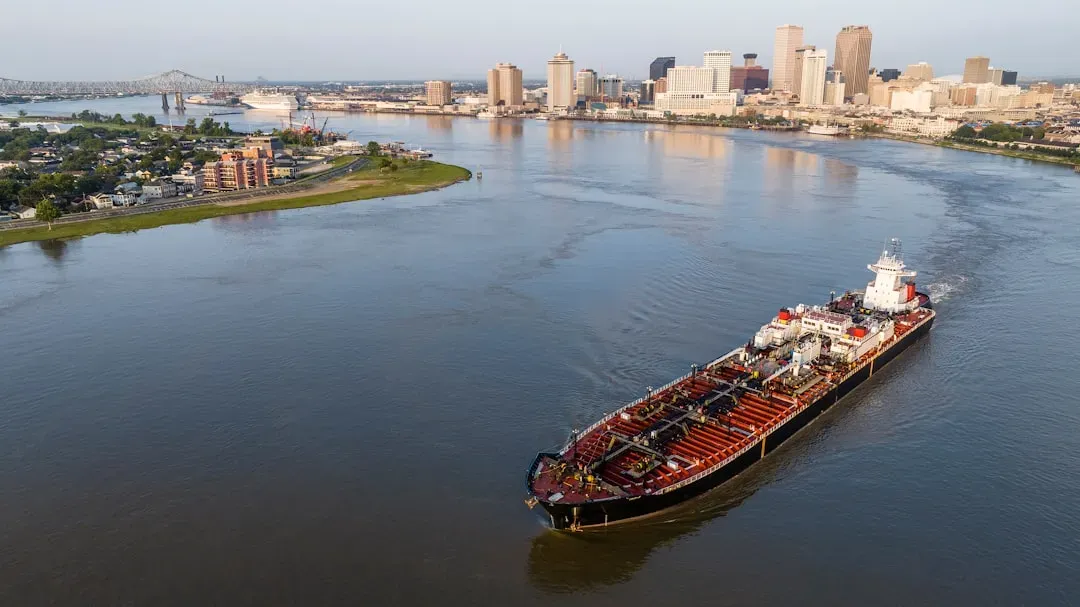
Louisiana deals with high humidity and heat that drive substantial cooling loads while also facing risks from tropical weather systems. The industrial base adds steady demand that does not ease during summer peaks. Transmission and distribution systems must withstand both routine heat stress and sudden storm impacts.
Analyses of outage patterns indicate that these overlapping challenges have led to notable events in past years. Efforts to strengthen infrastructure continue, but the combination of weather and load keeps the grid under close watch. Advance planning helps utilities respond quickly when conditions deteriorate.
Washington
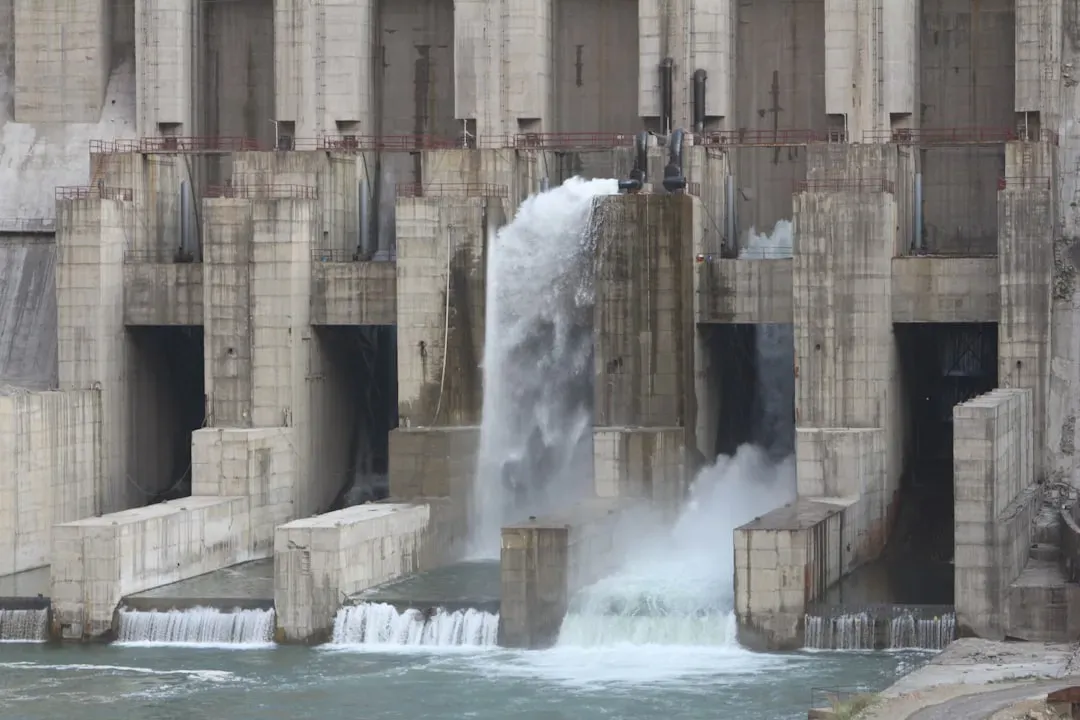
Washington relies heavily on hydropower that can face constraints during low water years or extreme heat that affects river temperatures. Summer demand has risen with population and economic growth, narrowing the margin during peak periods. Regional interconnections help, yet abnormal conditions can still create shortfalls.
Recent outlooks note elevated risk in parts of the Northwest when heat coincides with reduced hydro output. Planners continue to integrate new resources and demand side measures to build resilience. The state has seen how quickly tight conditions can develop under the right combination of factors.
Grid reliability depends on many moving parts that shift with weather, demand, and resource availability. Staying informed about local alerts and having basic preparedness steps in place can make a meaningful difference when pressures build. The patterns identified in current assessments underscore the value of ongoing investments in both supply and flexibility across these regions.