
Every checkout now seems to end with a glowing screen nudging for a tip. From coffee runs to fast food pickups, these prompts pop up everywhere. Americans are starting to push back quietly.
Recent surveys paint a clear picture of growing exhaustion. What once felt optional now borders on obligatory. This shift has many rethinking their habits entirely.
Tip Screens Everywhere Fuel the Fire
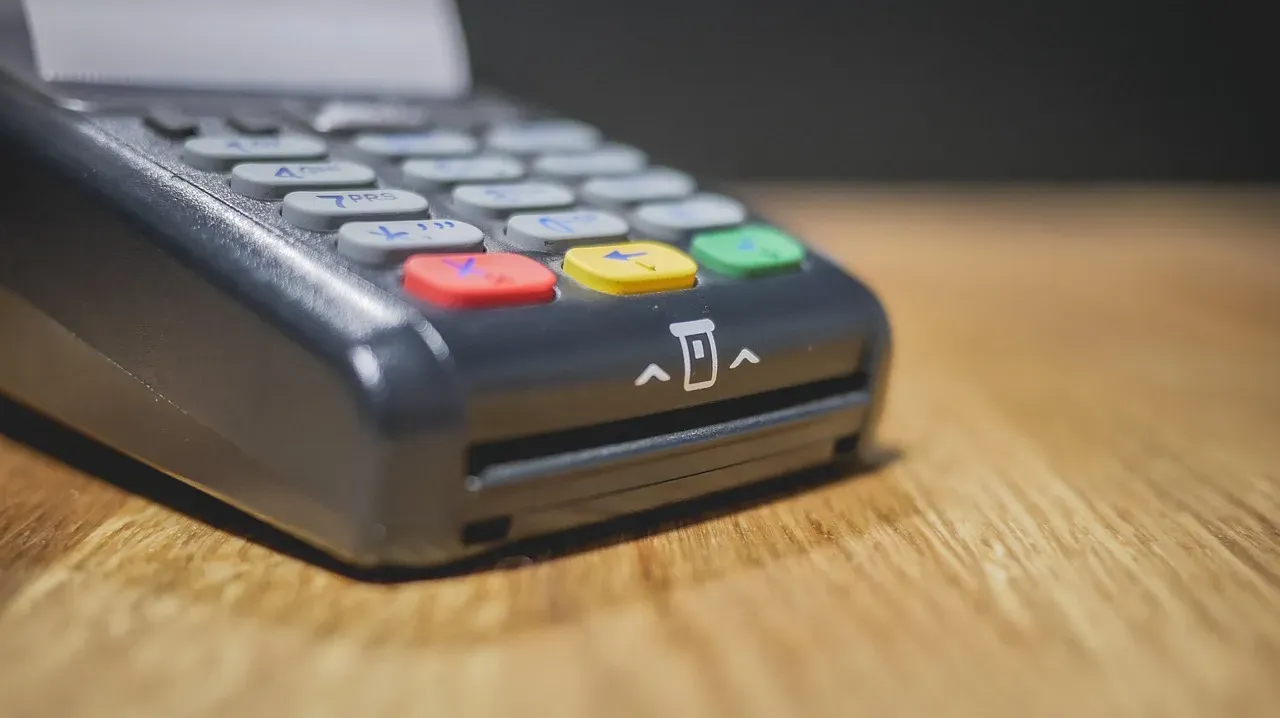
Digital payment terminals now suggest tips at 18%, 20%, or even 25% for basic services. This “tip creep” hits counters from ice cream shops to salons. A Pew Research study from a few years back noted 72% of adults see tipping expected in more places than before.[1]
Consumers feel the pressure mounting with each transaction. Many select the lowest option or skip altogether. This constant barrage contributes heavily to the fatigue sweeping the nation.
Surveys Show Fatigue at Record Levels

A Popmenu study found two-thirds of Americans experiencing tipping fatigue in early 2026, up from 60% the year prior and 53% in 2023.[2] Similar trends appear in other polls tracking consumer sentiment. People cite the endless requests as a top complaint.
Bankrate’s 2025 survey revealed nearly two-thirds holding at least one negative view on tipping, rising from 59% before.[3] These numbers reflect a broad shift in attitudes. Frustration builds as tipping expands beyond traditional service roles.
Tipping Percentages Start to Dip

Restaurant tipping at 20% or more has slipped to 41% of consumers, down from 45% in late 2025.[4] Delivery drivers see even lower rates around 15%. Square’s 2025 data showed averages below 15% across eateries.
Overall, about four in ten Americans report tipping less due to costs.[5] Inflation plays a role here too. People stretch budgets thinner amid rising prices.
Inflation Adds Extra Weight to Every Tip
Higher living costs make those extra percentages sting more. Surveys link economic strain directly to reduced tipping. Nearly half of respondents in one poll tipped less in 2026 citing finances.[6]
This pinch hits everyday purchases hardest. A small coffee tip adds up over weeks. Many now prioritize essentials over gratuities.
Negative Views Reach New Heights
WalletHub’s 2026 survey found 81% believing tipping culture out of control.[7] Another poll hit 90% calling it spiraled.[8] These figures show deep discontent.
Over 80% in some studies see it as excessive.[6] Businesses face backlash for relying on customer extras. Sentiment sours quickly under scrutiny.
Digital Guilt Trips Wear People Down
59% feel compelled to tip on screens, down from 66% last year.[9] Pre-set high options create awkward pauses. Skipping feels rude in public.
64% report guilt even for poor service.[10] This psychological nudge exhausts over time. Many now avoid places with aggressive prompts.
Growing Calls to Scrap Tips Entirely
Over two in five Americans favor banning tips outright.[7] 83% want automatic service charges gone.[11] Pushback gains momentum.
Critics argue businesses should pay fair wages. This view resonates widely now. Change might come from sustained pressure.
Businesses Lean Too Heavily on Tips

64% think companies use tips to dodge salary costs.[7] Servers and drivers depend on them heavily. Yet expansion dilutes the pot.
Workers see inconsistent incomes as a result. Customers resent filling the gap. Tension builds on both sides.
Younger Folks Lead the Resistance

Gen Z and millennials voice strongest fatigue. They tip selectively more often. Social media amplifies complaints.
Polls show them skipping non-service tips frequently. This generational shift influences norms. Older groups follow suit slowly.
A Cultural Reckoning on the Horizon
Tipping habits evolve amid backlash. Averages hover around 15% now, selective overall.[12] Some states test lower expectations.
Expect more experiments ahead. Wages might rise to match. For now, quiet resistance reshapes daily choices.