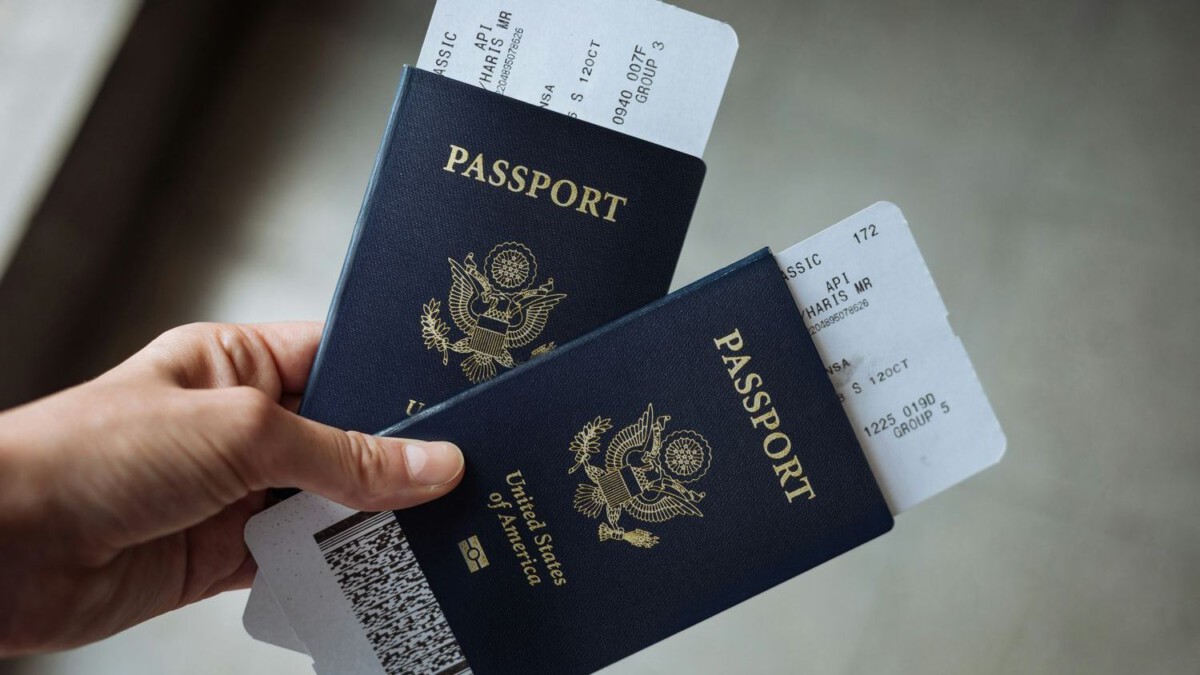
State Department Will Revoke Passports of Parents Who Owe Child Support – Image for illustrative purposes only (Image credits: Unsplash)
Parents who fall behind on child support payments could soon lose the ability to leave the country. The Trump administration has begun stricter enforcement of a long-standing federal law that empowers the State Department to deny or revoke passports in such cases. This step brings renewed attention to an authority that has existed since 1996 but has not always been applied uniformly.
The Legal Foundation
A 1996 statute already grants the State Department clear authority to act against individuals with significant unpaid child support obligations. Under this measure, the department can refuse to issue a new passport or cancel an existing one when arrears reach certain thresholds. The current effort focuses on applying that power more consistently across cases rather than leaving enforcement to vary by region or circumstance. The change does not create new penalties. Instead, it signals a deliberate shift toward using tools already on the books to encourage compliance. Officials have indicated that the goal is to close gaps that previously allowed some parents to maintain international travel despite outstanding debts.
Practical Consequences for Families
Loss of a passport immediately blocks international travel for work, family visits, or emergencies. Parents who rely on overseas employment or have relatives abroad face direct disruption to daily life and long-term plans. Even routine matters such as renewing a passport for a child or handling legal documents across borders become impossible. The policy also affects those who need to travel for medical treatment or to attend important family events. Because the restriction applies to both new applications and existing documents, individuals may discover the limitation only when they attempt to board a flight or submit paperwork.
Who Faces the Greatest Impact
The measure targets parents with arrears that meet the criteria set by the 1996 law. Those already in the passport application process or holding valid documents are most immediately exposed. Families with mixed citizenship or frequent cross-border needs stand to feel the effects first. A short list of common situations illustrates the reach:
– Parents planning international business trips or relocation.
– Individuals with children living in another country.
– Those requiring passports for adoption, inheritance, or legal proceedings abroad.
– Anyone whose current passport is due for renewal in the coming months.
Next Steps and Compliance Options
The State Department will coordinate with state child support agencies to identify qualifying cases. Once flagged, affected individuals receive notice and an opportunity to address the debt before final action. Payment plans or lump-sum settlements can often restore eligibility, though the exact process varies by state. Those who believe they may be subject to the rule are advised to review their child support records promptly. Contacting the responsible state agency provides the clearest path to understanding any outstanding balance and available remedies. Early resolution remains the most direct way to avoid travel restrictions. This enforcement step underscores how federal policy can intersect with personal finances in unexpected ways, leaving many parents to weigh immediate obligations against future mobility.