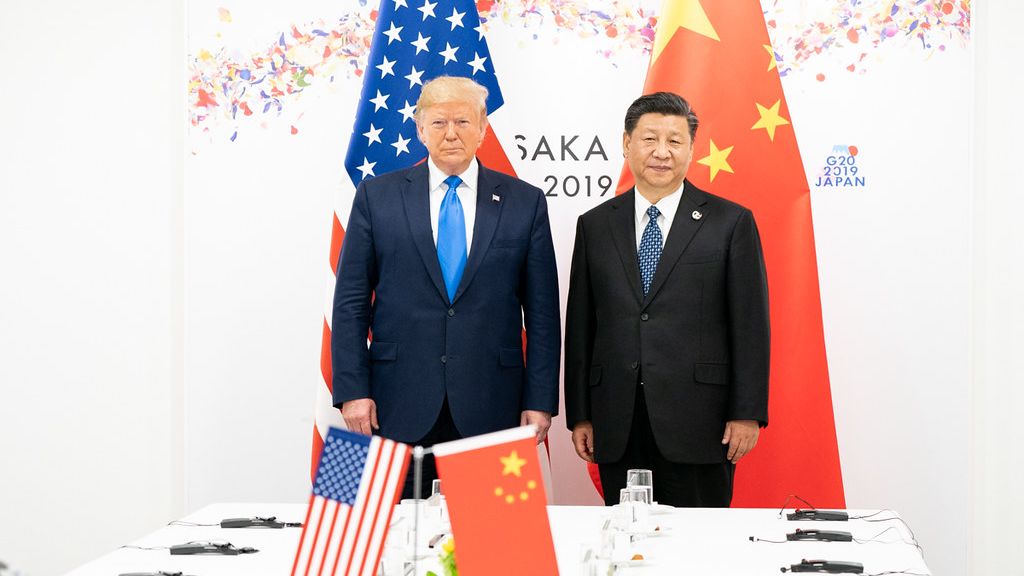
Trump to land in Beijing on Wednesday for talks with Xi – Image for illustrative purposes only (Image credits: Flickr)
Beijing stands ready to receive President Trump on Wednesday for direct talks with Chinese leader Xi Jinping. The visit represents his second trip to the Chinese capital in nine years. Chinese officials have made clear they see the meetings as an opportunity to finalize a trade deal that has remained elusive.
Timing and Context of the Arrival
The Wednesday landing sets a tight schedule for discussions that both sides have described as high priority. Trump’s previous visit occurred nearly a decade ago, creating a long gap during which trade tensions have fluctuated. This return visit therefore carries added weight as negotiators attempt to convert years of dialogue into concrete results.
Preparations in Beijing have focused on logistics and protocol to ensure the meetings proceed smoothly. The short interval between arrival and the start of talks leaves little room for delays or last-minute adjustments.
China’s Push for a Trade Resolution
Chinese authorities have signaled that securing a trade agreement ranks as the central objective of the visit. They view the current window as favorable for locking in terms that address long-standing imbalances in goods and services. Success here would mark a tangible outcome after extended periods of negotiation without final agreement.
Stakeholders on the Chinese side include export-oriented industries and domestic manufacturers who stand to gain from clearer market access rules. On the American side, importers and agricultural exporters watch closely for any provisions that could ease tariffs or open new channels.
Stakeholders and Practical Effects
Business communities in both countries have tracked the preparations with particular interest. A completed deal could stabilize supply chains that have faced repeated disruptions over the past nine years. Conversely, continued stalemate risks prolonging uncertainty for companies that rely on cross-border trade.
Government agencies responsible for economic policy in Washington and Beijing will also feel the immediate impact. Clear progress would allow them to shift focus toward implementation and monitoring, while an impasse would likely trigger further rounds of technical talks.
Looking Ahead After the Meetings
The outcome of this visit will shape the next phase of economic relations between the two nations. Observers note that even partial agreements could provide a foundation for follow-up discussions on related issues. The nine-year span since the last visit underscores how rare these direct encounters have become and how much both sides have invested in making this one count.