A Flood of Talent Meets Unyielding Selectivity (Image Credits: Unsplash)
United Airlines confronted a monumental challenge when 75,000 job seekers applied for roughly 3,000 openings in mere hours.[1] CEO Scott Kirby responded with an innovative evaluation method designed to identify candidates who excel in technical skills and foster strong team dynamics. This strategy underscores the airline’s commitment to building a cohesive workforce amid intense competition for top talent. With over 113,200 employees as of late 2025, the company maintains rigorous standards that blend regulatory compliance with interpersonal excellence.[1]
A Flood of Talent Meets Unyielding Selectivity
Job postings at major airlines like United draw overwhelming interest, turning recruitment into a high-stakes filtering exercise. The 75,000 applications for 3,000 spots translated to a mere 4% acceptance rate, demanding tools beyond resumes and interviews. Recruiters faced the task of pinpointing individuals who could thrive in a safety-critical environment where teamwork directly impacts operations.
Standard processes proved insufficient for such volume. United enhanced its system with subjective assessments rooted in real-world interactions. This approach ensured hires aligned with the company’s emphasis on customer service and mutual respect, qualities essential for long-haul flights and daily collaborations.[1]
Pilots Take Center Stage in the Shadow Evaluation
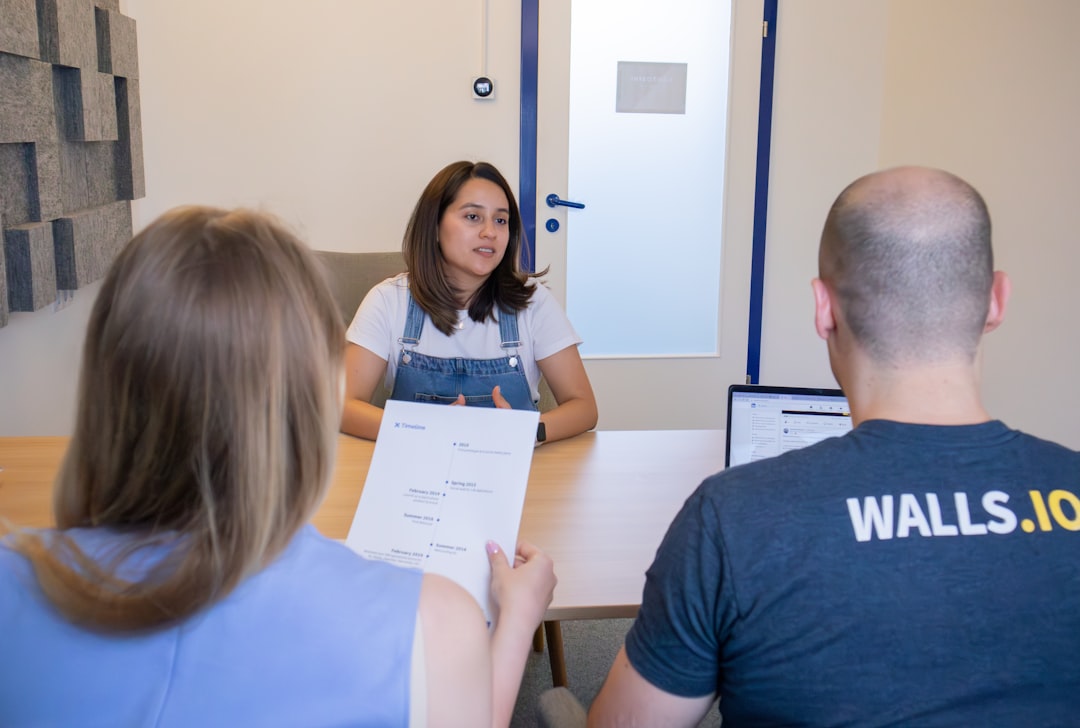
Scott Kirby handpicked a group of about a dozen highly regarded pilots, selected by the head of flight operations, to observe candidates up close. These pilots shadowed applicants throughout the interview day, joining facility tours, shared lunches, and transitions between meetings. The setup mimicked the intensity of multi-day trips, allowing evaluators to gauge natural chemistry in casual settings.
Each pilot held veto authority. Kirby directed them clearly: “Your job is just to assess: Is this interviewee someone I would like to take a four-day trip with? And if you say no, then they’re out. You get a veto vote.”[1] Technical prowess alone did not suffice; rejection followed if a candidate failed to inspire enthusiasm for extended companionship. This method prioritized those who demonstrated care for colleagues and a positive demeanor.
Prioritizing Attitude and Long-Term Fit
Skills can often be taught, Kirby emphasized, but core attitudes shape enduring success. He posed a key question in discussions: “How do you find people who have the right mentality and customer service attitude? We can train them to do the jobs, but how do you build a process to pick the right people and keep them excited?”[1] The pilot evaluations complemented formal interviews and regulatory checks, forming a multifaceted safeguard.
A United spokesperson clarified that this popularity check integrates into a comprehensive framework upholding safety and proficiency standards. Pilots’ insights helped cultivate teams where members genuinely enjoy working together, boosting morale and performance. Kirby detailed the tactic during a McKinsey podcast, highlighting its role in talent retention.[1]
Proven Tactics from Industry Peers
United’s method echoes strategies employed by other leaders navigating talent floods. Former Charles Schwab CEO Walt Bettinger once orchestrated a breakfast where staff deliberately botched an order to test grace under pressure. Duolingo’s Luis von Ahn compensated taxi drivers for candid feedback on candidates’ ride behavior, spotting red flags early.
- Shadowing reveals unscripted interactions, unlike isolated interviews.
- Veto power decentralizes decisions, leveraging frontline wisdom.
- Cultural emphasis sustains motivation in demanding roles.
- High applicant pools enable bold filtering without shortages.
- Regulatory alignment prevents attitude from overriding competence.
These examples illustrate a trend: forward-thinking executives invest in behavioral diagnostics to build resilient cultures.
Key Takeaways
- United’s 4% hire rate stems from 75,000 applications rigorously vetted for fit.
- Pilot shadows provide veto insights on four-day-trip compatibility.
- Attitude selection fosters teams that prioritize service and camaraderie.
Scott Kirby’s pilot-led veto test redefines hiring at United Airlines, ensuring only those who enhance team spirit advance. This deliberate selectivity promises safer skies and happier crews. What innovative hiring practices have you encountered in your career? Share your thoughts in the comments.