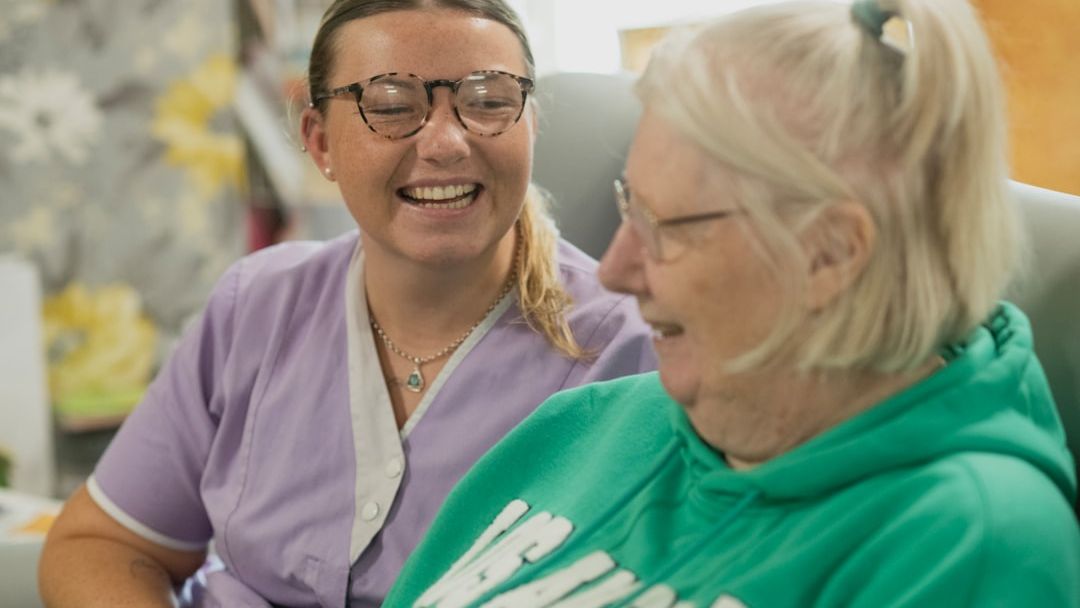
Washington Seniors Could Miss Medicaid Waivers Worth $26,000+ a Year If They Don’t Apply – Image for illustrative purposes only (Image credits: Unsplash)
Washington state — Eligible seniors across the state stand to forfeit more than $26,000 annually in home-based care services through underused Medicaid waivers. These programs offer critical assistance that rivals the expense of institutional care, yet awareness remains low amid rising long-term costs. Families often shoulder the burden alone, unaware that help exists to support aging in place.
Inside Washington’s Home and Community-Based Services Waivers
Medicaid waivers in Washington target seniors who prefer remaining in familiar surroundings over nursing homes. Known as Home and Community-Based Services, or HCBS, these initiatives fund care in private homes, assisted living, or community environments. Key programs include COPES and New Freedom, which address a range of needs.
Services typically encompass personal care aides for daily tasks, skilled nursing visits, reliable transportation to appointments, and essential medical equipment. This setup allows participants to maintain independence without the upheaval of relocation. State officials designed these waivers to shift resources from costly facilities to more personalized options.
How Waiver Benefits Stack Up Against Care Costs
In-home care in Washington carries a steep price tag, averaging $6,547 monthly, which totals over $78,000 yearly for full-time needs. Even partial support surpasses $2,000 per month, quickly reaching $26,000 or more over 12 months. Waiver approvals offset much of this expense based on individual requirements.
Qualified seniors access these services at little to no out-of-pocket cost, easing financial strain on fixed retirement incomes. The programs effectively replicate nursing home-level aid in less restrictive settings. As a result, participants preserve quality of life while avoiding prohibitive fees.
Navigating Eligibility for These Vital Programs
Financial criteria form the first hurdle, with income and asset thresholds that exceed standard Medicaid levels. Applicants must also prove medical necessity through challenges in activities of daily living, such as bathing, dressing, eating, or getting around. The bar requires demonstrating a level of need comparable to nursing home admission.
Even those with moderate frailty often qualify once needs are properly assessed. Documentation from healthcare providers plays a central role in approvals. Washington streamlines some processes to encourage applications from at-risk elders.
Barriers Keeping Thousands from Claiming Benefits
Lack of knowledge tops the list of reasons seniors miss these opportunities. Many assume higher incomes or assets disqualify them without reviewing current rules. The application steps appear daunting, deterring potential users despite available guidance.
Enrollment limits exacerbate the issue, creating waitlists that delay access. Rising demand coincides with climbing care expenses and a preference for home-based aging. Families discover these programs too late, after exhausting personal resources.
- Awareness gaps leave eligible individuals uninformed.
- Misconceptions about finances block initial inquiries.
- Process complexity overwhelms without support.
- Program caps lead to prolonged waits.
With long-term care pressures mounting, proactive steps now could secure slots before competition intensifies. Seniors and caregivers benefit most by exploring options early, ensuring home remains viable without financial ruin.