

Picture yourself lying awake at night, mind racing through worst-case scenarios about tomorrow’s meeting or a distant health scare. These thoughts feel urgent, almost real, yet most never materialize. Our brains treat potential threats like immediate dangers, a leftover from times when overlooking a risk could mean death.
This wiring served our ancestors well but clashes with today’s safer world. Recent studies confirm that the vast majority of our worries – around 85 to 91 percent – never come true.[1][2] Understanding why helps explain the constant hum of anxiety many feel.
The Evolutionary Survival Mechanism

Back in the Stone Age, spotting a predator quickly meant survival. Brains that fixated on dangers passed on their genes more often. This negativity bias evolved because missing a threat was far costlier than chasing false alarms.[3]
Modern life lacks saber-toothed tigers, yet the system persists. Research shows negative events stick in memory longer than positives, keeping us vigilant. It’s why one bad email lingers while five good ones fade.[4]
Negativity Bias at Work

Psychologists describe negativity bias as our tendency to weigh bad news heavier. A single negative interaction outweighs several positives in emotional impact. Daniel Kahneman’s work highlighted how this shapes judgments, often irrationally.[5]
Studies confirm adults learn more from negatives, a holdover from evolution. This bias amps up worry over slim odds, like plane crashes versus car rides. It kept humans alive but fuels needless fretting today.[5]
The Amygdala’s Fear Factory
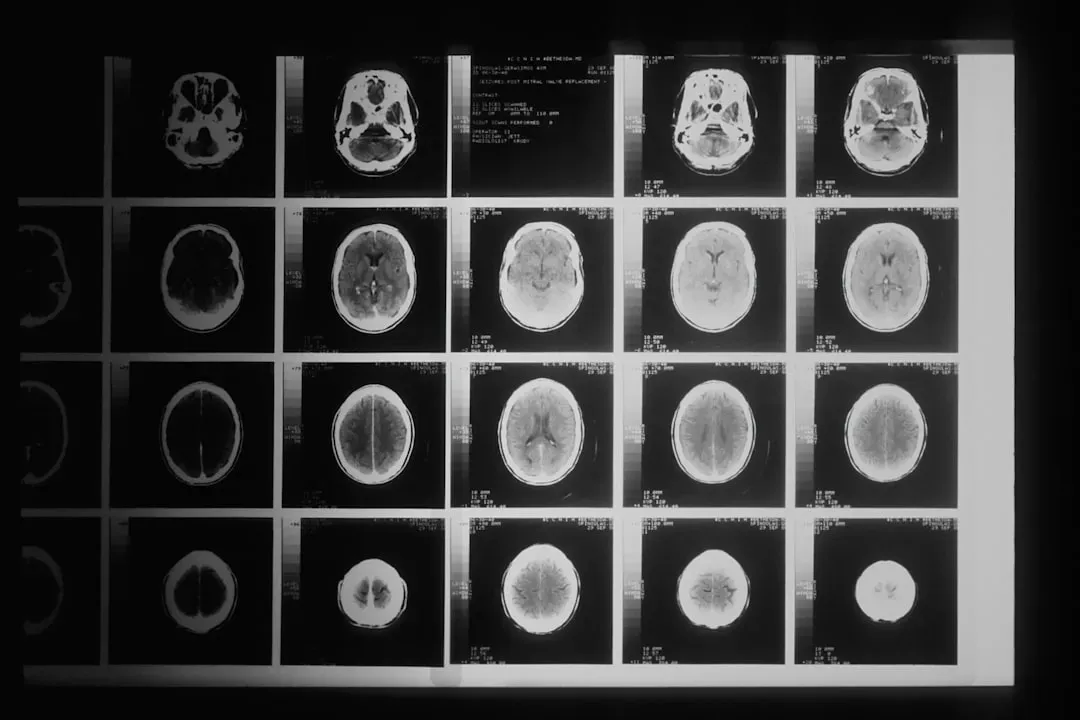
Deep in the brain sits the amygdala, the fear center that scans for threats nonstop. It triggers responses to imagined dangers just like real ones. Neuroimaging shows it lights up for potential harms, even unlikely ones.[6]
Without it, fear learning falters, as seen in rare patients. Recent 2024 research links it to anxiety processing. This almond-shaped structure prioritizes worry to protect us, often overdoing it.[7]
Fight-or-Flight Gone Haywire

The fight-or-flight response floods the body with adrenaline for quick action. In caveman days, it helped flee lions. Now, it fires for deadlines or arguments, leaving us jittery without outlet.[8]
Chronic activation wears down health over time. Modern stressors mimic ancient ones, tricking the brain into constant prep mode. This explains why abstract worries provoke physical tension.[9]
Why Threats Feel Bigger Than They Are

Our brains amplify rare risks, like fearing sharks more than stairs. Evolution favored overestimation of dangers. This cognitive shortcut saves energy but breeds unfounded fears.[10]
Media plays into it, highlighting outliers. Negativity bias makes these stories memorable. Result: we worry about low-probability events daily.[11]
Catastrophizing: The Worry Spiral

Catastrophizing jumps from small issues to disasters. It’s an extreme worry form, rooted in protective instincts. Brains simulate worst outcomes to prepare, even if improbable.[12]
2025 studies link it to anxiety persistence. Patients with GAD report 91 percent of feared events never happening. Yet the pattern repeats, wired for safety.[1]
Stats Reveal Worry’s Futility

Global anxiety affects 4.4 percent of people, per 2025 WHO data. In the US, GAD hits about 3.1 percent of adults. Worry often centers on the future, with 76 percent stressed about it.[13][14][15]
Research tracking worries finds 85 percent unrealized. Diagnosed anxiety rose to 6.6 percent GAD by 2023. Numbers show most fears dissolve harmlessly.[16][2]
Limbic System vs. Rational Brain

The limbic system drives emotions fast, bypassing logic. Prefrontal cortex tries to calm it but often lags. This mismatch lets worries run wild before reason kicks in.[17]
Evolution prioritized speed over accuracy. In safe modern settings, it backfires. Tension builds until facts intervene.[18]
Modern Life Amplifies the Bias

Constant news feeds negativity, exploiting our wiring. Social media algorithms favor alarming content. This overloads the system meant for occasional threats.[19]
2025 polls show two-thirds anxious about world events. Urban isolation adds fuel. No wonder abstract futures haunt us.[20]
Neuroscience Updates from 2024-2026
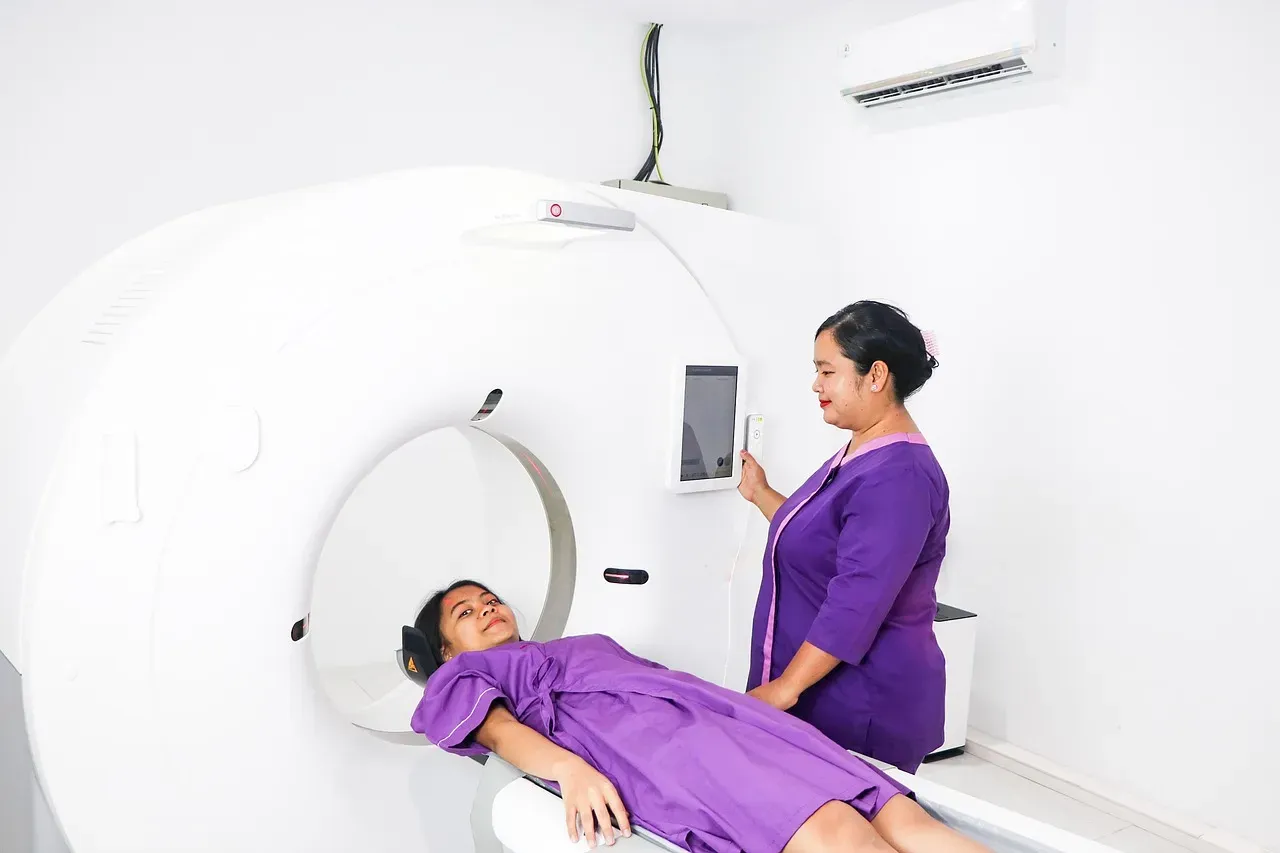
Recent scans reveal negativity bias alters stress responses. 2025 studies tie amygdala to metabolic fear shifts. Projections warn anxiety cases topping 515 million globally by 2040.[21][22]
Brain health worries rose in 2026 surveys. Catastrophizing networks show dynamic pain links. Evidence mounts that this wiring persists, urging mindful counterbalance.[23][24]
A Closing Reflection

Your brain’s worry machine runs on ancient code, scanning horizons that no longer hold predators. Most alarms blare for ghosts. Recognizing this frees space for the present, where real life unfolds.