

Even as overall inflation eases, everyday costs keep climbing in ways that hit hard. Consumer prices have risen 26 percent since late 2019, according to Bureau of Labor Statistics data cited in recent surveys.[1] This means the cash you set aside years ago buys less today, especially for emergencies like repairs or medical bills. Families now face a reality where traditional three-to-six-month funds fall short against current expenses.
Bankrate’s latest report shows just 47 percent of Americans can cover a $1,000 surprise from savings alone.[1] With key categories like shelter and health care up over three percent year over year, padding that safety net becomes essential.
Inflation Lingers at 3.3 Percent

The Consumer Price Index rose 3.3 percent over the past year through March 2026. This steady pressure erodes savings faster than many expect. Experts suggest bumping up emergency funds by three to four percent yearly just to match it.[3]
Half of Americans report saving less for emergencies because of rising prices.[1] Your old target might cover only eight months ago’s costs now. Recalculating keeps real protection intact.
Shelter Costs Climb 3 Percent

Rent and owners’ equivalent rent pushed the shelter index up three percent in the last year. Housing remains the biggest monthly hit for most households. A job loss or eviction notice demands quick cash that covers today’s higher tabs.
Home prices edged up 1.8 percent from late 2024 to late 2025.[4] Many renters face similar squeezes. Boosting your fund accounts for these non-stop advances.
Medical Care Up 3.1 Percent

Medical care costs increased 3.1 percent year over year. An ER visit or prescription spike can drain accounts fast. Average household medical expenses factor heavily into the $35,000 six-month target now floated by analysts.[5]
Employer health benefits expect a 6.5 percent jump in 2026, the highest in over a decade.[6] Uninsured surprises hurt even more. Larger reserves bridge these gaps without debt.
Electricity Bills Rise 4.6 Percent

Electricity prices jumped 4.6 percent over the year. Summer storms or winter freezes turn small issues into big power outages. Fixing and replacing adds up quick.
Household energy overall reflects these trends amid volatile supplies. Funds need room for utility overages during crises. Nobody wants to choose between lights and food.
Gasoline Surges Nearly 19 Percent
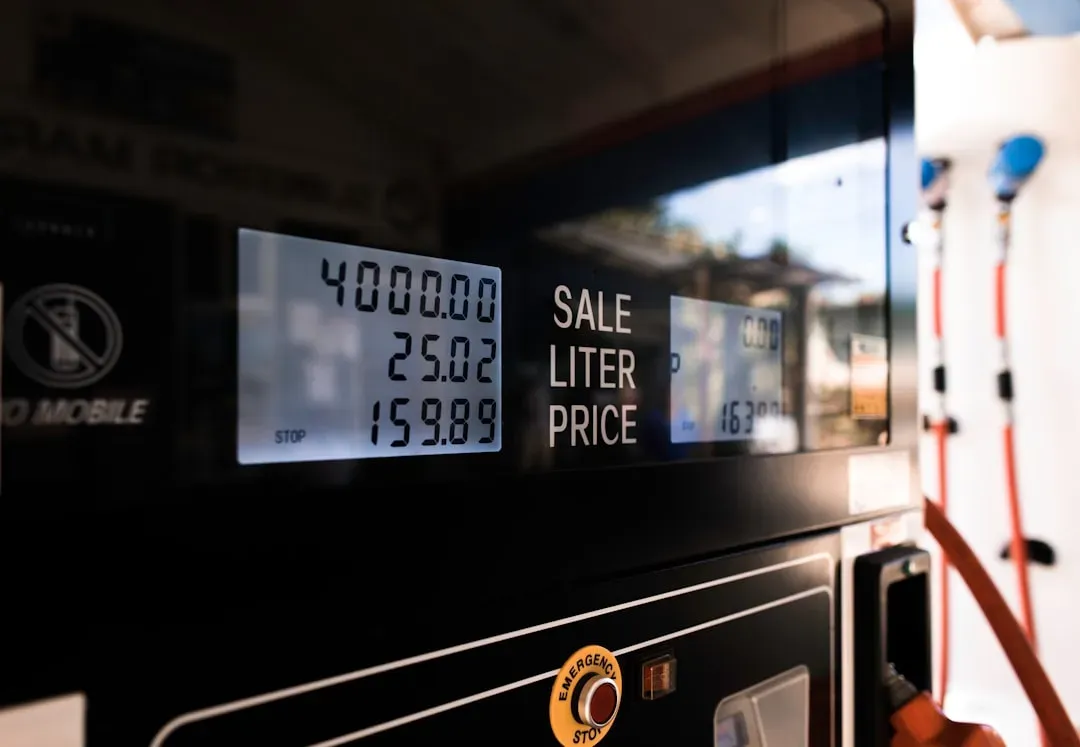
Motor fuel costs soared 18.9 percent year over year. Car breakdowns or evacuations multiply that pain. Average repairs hit $838 last year, likely higher now.[7]
Transportation eats into budgets during any disruption. A larger fund covers tows, rentals, or temp rides. Fuel volatility demands extra buffer.
Groceries Edge Up 1.9 Percent
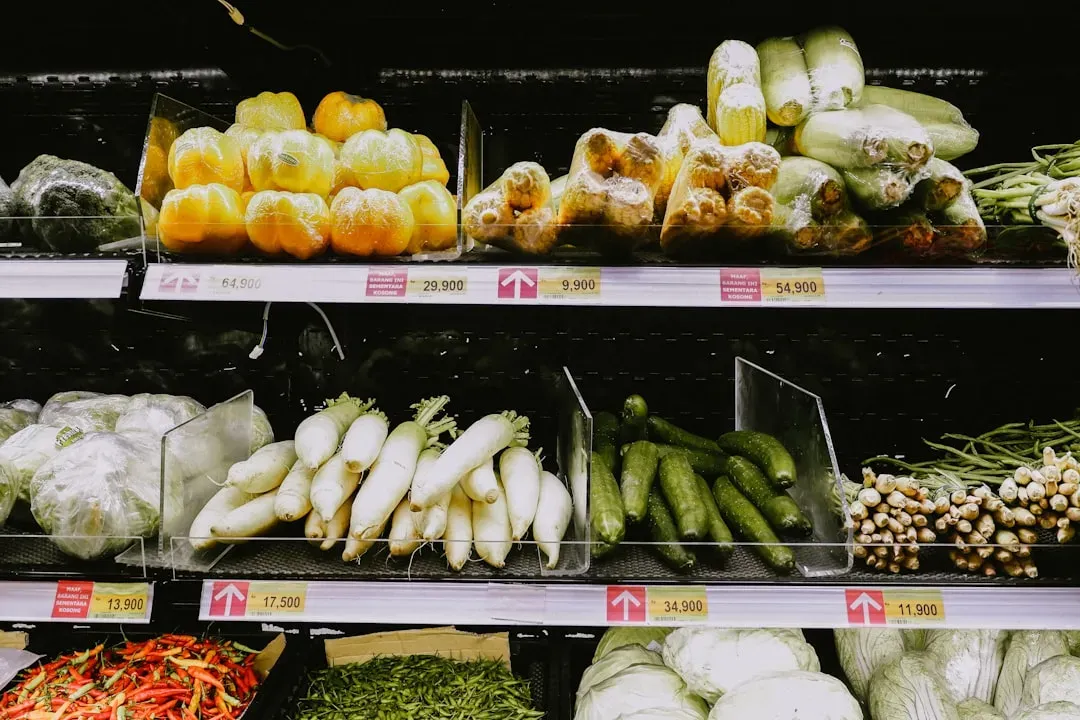
Food-at-home prices rose 1.9 percent through early 2026. Stocking up after a layoff or illness stretches dollars thin. These daily needs compound over months out of work.
Past years saw sharper hikes, but the creep continues. Emergency stretches test grocery lines hardest. Plan for sustained higher shelves.
Only 47 Percent Cover $1,000 Emergencies

Bankrate finds fewer than half can tap savings for a $1,000 hit.[1] Median holdings sit around $500 nationwide. This gap exposes risks in real disruptions.
Job hunts average longer amid uncertainty. Savings dwindle faster with elevated living costs. Scaling up closes that vulnerability.
Experts Push Beyond Six Months

Traditional advice holds at three to six months’ expenses, yet 85 percent want at least three months’ peace.[1] Inflation-adjusted averages now near $35,000 for six months.[5] Some suggest four to nine months given volatility.
Only 27 percent hit six months or more. Recent dips in balances signal urgency. Adjust upward for security.
Home Repairs and Maintenance Pressures

Homeownership ties up cash in upkeep, with costs trailing broader inflation. Essentials like these demand dedicated reserves. Unexpected leaks or roofs amplify totals.
Local variations push some areas nine percent higher year over year.[8] Funds cover contractors without panic borrowing. Proactive sizing prevents cascade failures.
Job and Income Shifts Loom

Twenty-six percent blame income changes for skimpy savings.[1] Unemployment ticked toward 4.6 percent projections. Longer searches mean drawn-out expense coverage.
Recessions stretch needs further. A beefed-up fund buys time to rebound. Stability starts with realistic padding.
Building a Stronger Safety Net

Review your monthly essentials and multiply by recent CPI gains. Automate transfers to high-yield accounts earning over four percent. Track quarterly against fresh data.
Cumulative pressures since 2019 underline the shift – 26 percent higher prices call for nominal boosts nearing that scale in high-cost zones. Start small, but aim substantial. Peace comes from knowing you’re covered, whatever hits next.