Markets Front-Run Diplomacy Signals (Image Credits: Pixabay)
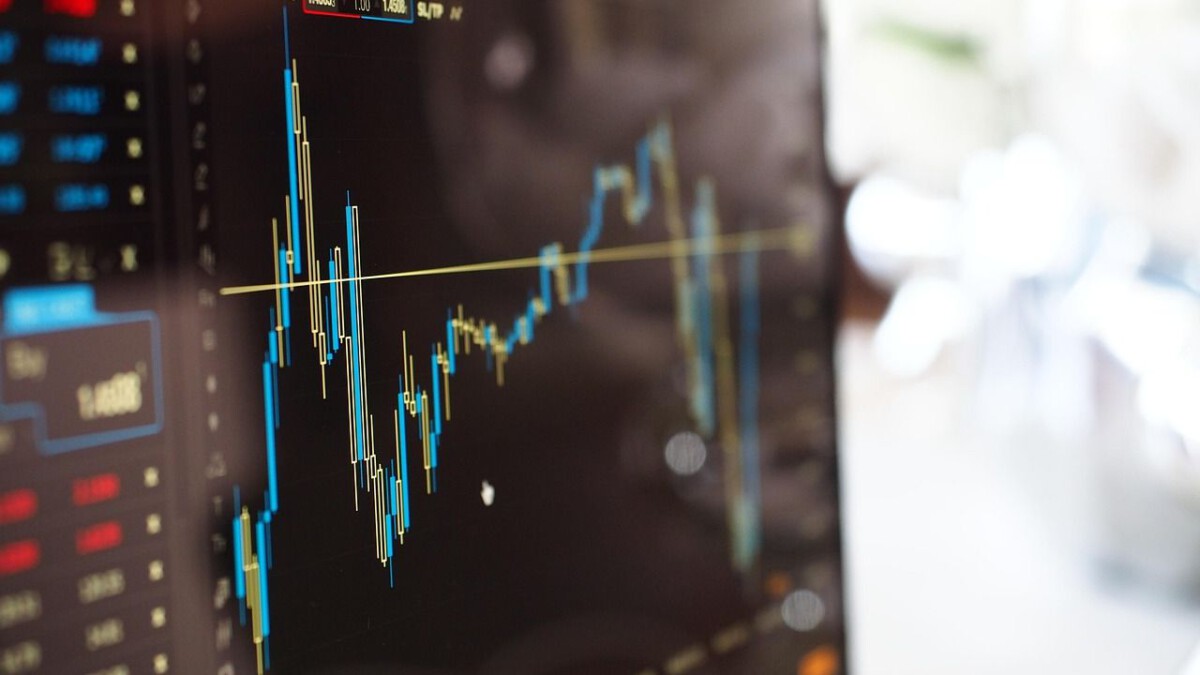
Nearly two months after the outbreak of conflict in Iran, international stock markets have staged a remarkable rebound. Major indexes across the United States, Taiwan, and South Korea pushed toward record highs following an initial bout of volatility. Investors appeared to set aside lingering geopolitical strains, redirecting attention to underlying economic signals even with oil prices holding at elevated levels.
Markets Front-Run Diplomacy Signals
Financial markets absorbed the prospect of prolonged uncertainty early on, pricing in severe scenarios that failed to fully materialize. Officials from Washington and Tehran signaled openness to negotiations, bolstered by an extended ceasefire that eased immediate fears. This fostered confidence that diplomatic channels would prevail over escalation.[1]
Traders interpreted these developments as a pathway to resolution, reducing the war’s drag on sentiment. The shift reflected lessons from prior conflicts, where initial panic gave way to stabilization.
Dip-Buying Instincts Dominate
Volatile headlines and shifting policy pronouncements from leaders prompted swift selloffs, yet investors quickly reverted to familiar patterns. Drawing parallels to the early stages of the Ukraine war, market participants treated downturns as buying opportunities rather than permanent declines. A ingrained reluctance to remain sidelined for long fueled rapid recoveries.[1]
This mentality, honed through years of headline-driven swings, propelled equities higher. Big institutional players unwound short positions, amplifying the upward momentum across global exchanges.
Oil Disruptions Fall Short of Catastrophe
The conflict drove up oil and gasoline prices through supply strains, yet broader economic fallout stayed contained. Strategic petroleum reserve releases, unused production capacity from key exporters, and softening demand mitigated the shock. Only isolated shortages plagued certain emerging economies, averting widespread stagnation.[1]
Persistent risks loomed around the Strait of Hormuz, but current buffers held firm. Gasoline pumps in major economies saw higher costs without triggering recessionary spirals.
Corporate Results Exceed Expectations
First-quarter earnings provided a solid foundation for optimism, with close to 80 percent of S&P 500 firms surpassing analyst forecasts. Brokers adjusted projections upward, highlighting sustained profitability amid external pressures. This performance underscored the disconnect between battlefield events and boardroom outcomes.[1]
Financial institutions and others delivered blockbuster numbers, projecting double-digit growth. The data reinforced a narrative of economic durability.
Artificial Intelligence Demand Surges
Technology stocks led the charge, powered by robust appetite for AI innovations. South Korean chipmaker SK Hynix reported a fivefold profit increase, while Taiwan Semiconductor lifted its revenue guidance and Samsung logged an eightfold quarterly gain. Hyperscalers’ forthcoming reports promised further catalysts.[1]
Emerging market equities joined the fray, drawing fresh capital. The U.S. dollar’s retreat from early peaks further supported risk assets worldwide.
Markets may be applying the ‘transitory’ principle to a situation that will continue to work its way through the system over a prolonged period of time.
– Magdalena Polan, head of EM macro research at PGIM Fixed Income
- Geopolitical risks priced in with diplomatic hopes prevailing.
- Strong earnings and AI momentum overshadow oil headwinds.
- Dip-buying and supply cushions prevent deeper downturns.
Global markets demonstrated striking adaptability in the face of the Iran war, prioritizing fundamentals over fear. As tensions simmer, sustained corporate vigor and policy flexibility will determine if this rally endures. What factors do you see sustaining this momentum? Share your views in the comments.