The Vote-a-Rama Clash (Image Credits: Unsplash)
Washington — The U.S. Senate rebuffed a series of Democratic amendments early Thursday that aimed to ease financial pressures on American households from high gas prices, groceries, health care, and school meals. These proposals surfaced during a contentious vote-a-rama on a Republican-led federal budget blueprint, as lawmakers grappled with a prolonged shutdown of the Department of Homeland Security.[1] The rejection highlighted deepening partisan divides over immigration enforcement funding, leaving everyday cost-relief measures stalled just as midterm elections loom.[1]
The Vote-a-Rama Clash
Senators endured hours of nonstop voting in the early morning of April 23, 2026, as Democrats sought to attach their amendments to the GOP’s budget plan. Republicans, who control the chamber, dismissed the moves as political theater designed to delay action on border security priorities. The session marked a key moment in Democrats’ strategy to force tough votes on cost-of-living issues during a record-long DHS shutdown that has lasted more than two months.[1]
Senate Minority Leader Chuck Schumer, a New York Democrat, declared on the floor that his party stood up for ordinary Americans facing rising expenses. Meanwhile, Sen. Lindsey Graham, the South Carolina Republican chairing the Budget Committee, criticized Democrats for blocking funds needed for Immigration and Customs Enforcement and Border Patrol amid what he called a national security crisis.[1]
Details of the Rejected Proposals
Democratic amendments targeted multiple areas of household spending. Lawmakers proposed creating reserve funds to stabilize prices, blocking future legislation that could raise costs, and reversing recent cuts to food-stamp programs. Specific efforts focused on reducing out-of-pocket health care expenses and grocery bills, which have strained family budgets nationwide.[1]
These measures failed to advance, but they compelled Republicans to go on record during an election year. The budget blueprint itself progressed, paving the way for increased funding to ICE and Border Patrol — core GOP demands in the immigration debate.[1]
Rare Bipartisan Support Emerges
While most Republicans held the line, two senators from competitive states defected on select proposals. Sens. Susan Collins of Maine and Dan Sullivan of Alaska, both up for reelection, backed Democratic initiatives to limit medical and grocery costs. Their states, often viewed as purple battlegrounds, amplify the political risk of such votes.[1]
This cross-party support underscored vulnerabilities for incumbents in swing areas, where voters prioritize pocketbook issues. Collins and Sullivan’s decisions contrasted sharply with the broader GOP rejection, offering Democrats ammunition in upcoming campaigns.[1]
What Matters Now
- Households see no immediate relief on gas, food, or health costs from federal action.
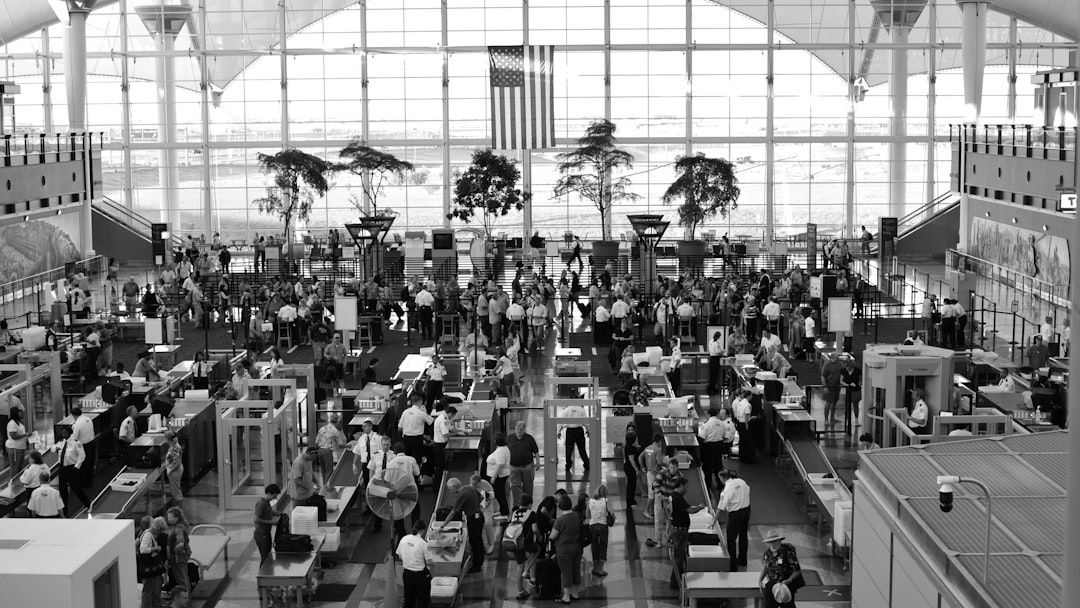
- DHS shutdown persists, affecting airport security and border operations.
- Emergency funds for DHS payrolls exhaust by early May, raising shutdown escalation risks.
- Midterm elections could flip congressional control, reshaping budget priorities.
Roots in the DHS Shutdown Saga
The showdown traces back to January, when federal officers killed two Minnesotans, igniting a fierce dispute over immigration enforcement. Republicans have pushed for robust DHS funding, while Democrats conditioned support on cost-relief concessions. President Donald Trump’s executive orders rerouting funds have kept essential services like airport screening operational, but those resources near depletion.[1]
DHS Secretary Markwayne Mullin warned this week that only one more payroll remains before funds run dry. Without congressional agreement, disruptions could intensify, impacting travelers, federal workers, and enforcement efforts at the border.[1]
Path Forward Remains Uncertain
Republicans advanced their budget plan despite the amendments’ failure, but full resolution of the DHS impasse eludes lawmakers. The vote-a-rama provided Democrats leverage in a midterm cycle where economic concerns dominate voter minds. Families continue to navigate elevated prices without the proposed safeguards, as the shutdown’s toll mounts.
This episode reflects the high stakes of divided government: policy gridlock delays relief for stakeholders from commuters to food-insecure households. Lawmakers now face pressure to compromise before May’s funding cliff, balancing security demands with domestic economic strains. The outcome will shape not just budgets, but the balance of power come November.[1]