Every few years, a place that nobody’s talking about becomes the place everybody wants to be. It happened with Asheville in the 2010s, and it’s starting to happen again, quietly, in small pockets of the country that most retirement guides still haven’t noticed. Millions of Americans aged 50 and above are rethinking where they want to spend their next chapter, and the answer increasingly isn’t Florida’s crowded coasts or the usual Arizona suspects.
The reasons are practical but also personal. U.S. News & World Report’s 2025 Best Places to Retire rankings evaluated 150 U.S. cities based on how well they meet retirees’ expectations, including happiness, affordability, healthcare, desirability, retiree taxes, and job market. What’s interesting is that the towns drawing the most attention aren’t always the ones making headlines. Here are seven genuinely overlooked American towns that deserve a far closer look. Let’s dive in.
Sequim, Washington: The Lavender Town That Rewrites Every Retirement Assumption

Most people hear “Washington State” and immediately think grey skies and relentless rain. Sequim laughs at that assumption. Often called “Sunny Sequim,” the town sits in the rain shadow of the Olympic Mountains and receives approximately 16 inches of annual rainfall annually, making it one of the driest places in Western Washington. That’s roughly the same as Los Angeles, which honestly sounds absurd until you look at the map.
As of 2024, roughly 42 percent of Sequim’s population is 65 or older, creating a tight-knit community where it’s easy to connect with others. The cost of living is 16 percent lower than the Washington state average, making it noticeably more affordable than other parts of the state. Washington also charges no state income tax, meaning Social Security and pension income remain untaxed. That combination, natural beauty plus fiscal friendliness, is harder to find than you’d expect.
Danville, Virginia: Quiet Renaissance in the Heart of the Piedmont
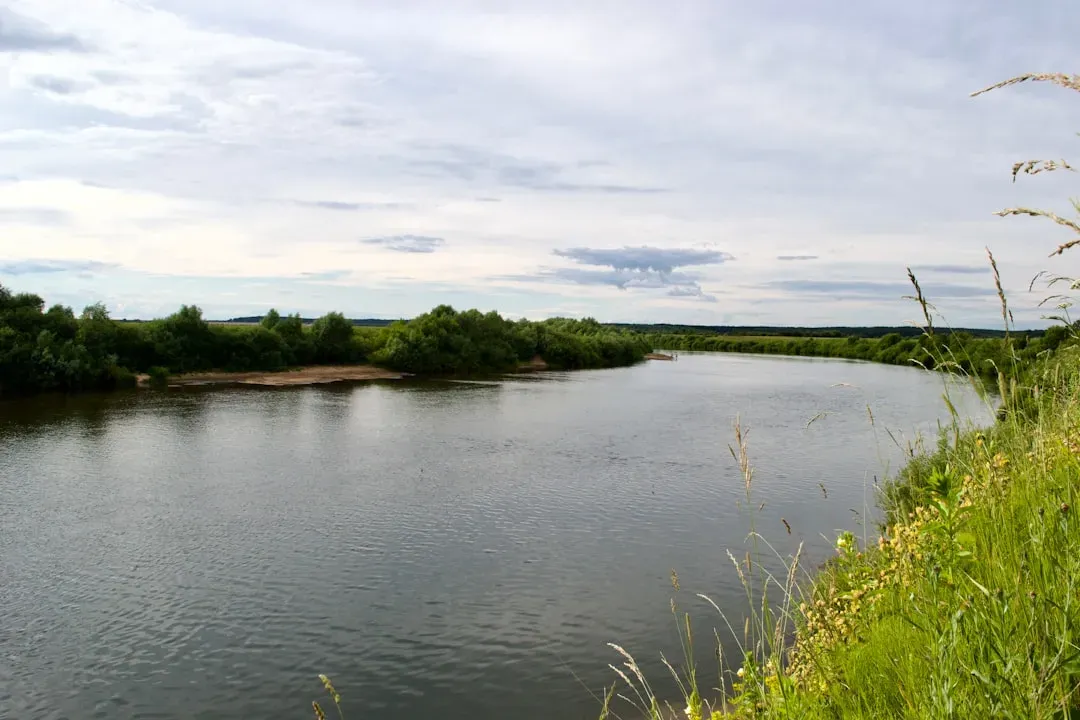
Danville used to be a tobacco town. Today it’s something more interesting. Located along the Dan River, Danville has undergone major revitalization efforts in recent years, and its vibrant River District is now a hub for dining, arts, and community events. That kind of organic rebirth tends to attract exactly the type of walkable, culturally engaged environment that retirees actually want.
As of 2024, 21 percent of residents are 65 or older, creating a welcoming environment for retirees. With a cost of living nearly 11 percent below the national average, Danville stands out as an accessible and underrated retirement destination. The Bureau of Economic Analysis has consistently noted that smaller Southern towns like Danville carry significantly lower overall price levels than major metro areas, and Danville fits that pattern precisely.
Fort Wayne, Indiana: The Midwestern Overachiever Nobody Expected
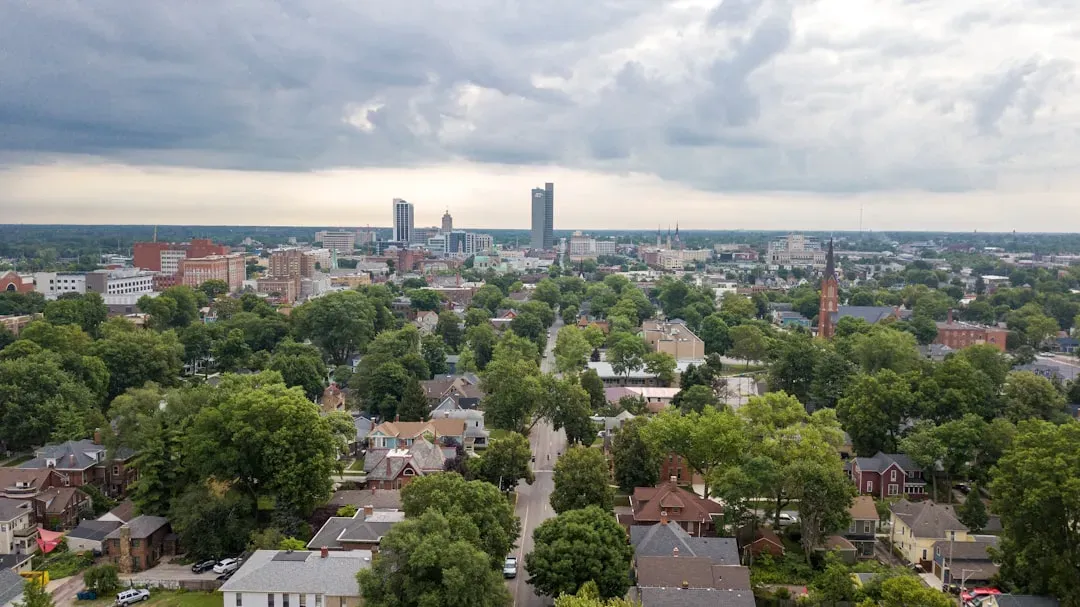
Here’s the thing about Fort Wayne: it keeps showing up on serious retirement rankings and people still act surprised. Fort Wayne, Indiana ranked number 10 in U.S. News & World Report’s 2025 Best Places to Retire list. Fort Wayne moved up four positions from its 2024 ranking, which signals that more people are paying attention, not less.
This northeastern Indiana city offers affordable housing and cost of living for retirees on a budget, plus a big city, small-town feel. Fort Wayne features attractions like a children’s zoo, art museum, restaurants, and shopping, and neighboring Amish communities give residents easy access to local produce and goods. Retirees on a tight budget will appreciate that the average rent price sits at roughly $1,017 and the median mortgage payment is around $1,212. Those are numbers that stretch a fixed income considerably.
Hickory, North Carolina: Furniture Capital With a Surprisingly Lively Downtown
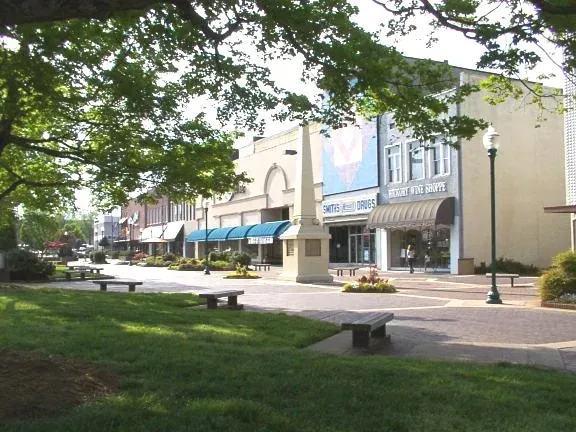
Hickory is the kind of place that rewards the curious. Just an hour’s drive from Charlotte, the charming town of Hickory is a hub for craftsmanship in the scenic heart of Catawba County, and it’s developed a growing reputation for its lively downtown filled with locally owned bars and restaurants, many with live music several nights a week. Think of it as a Blue Ridge Mountain town with a creative streak and the prices of 20 years ago.
The growing arts scene includes several notable destinations for such a modest-sized town, among them the Hickory Museum of Art, the Hickory Aviation Museum, and the Western Piedmont Symphony. Located between Asheville and Charlotte, Hickory offers outdoor lovers opportunities for boating, fishing, and hiking, and sits at the foot of the Blue Mountains with scenic views, year-round moderate temperatures, and a low cost of housing. Honestly, for what it offers, Hickory is almost criminally underpriced.
Cedar Key, Florida: The Gulf Coast Village That Skipped the Tourist Trap Phase
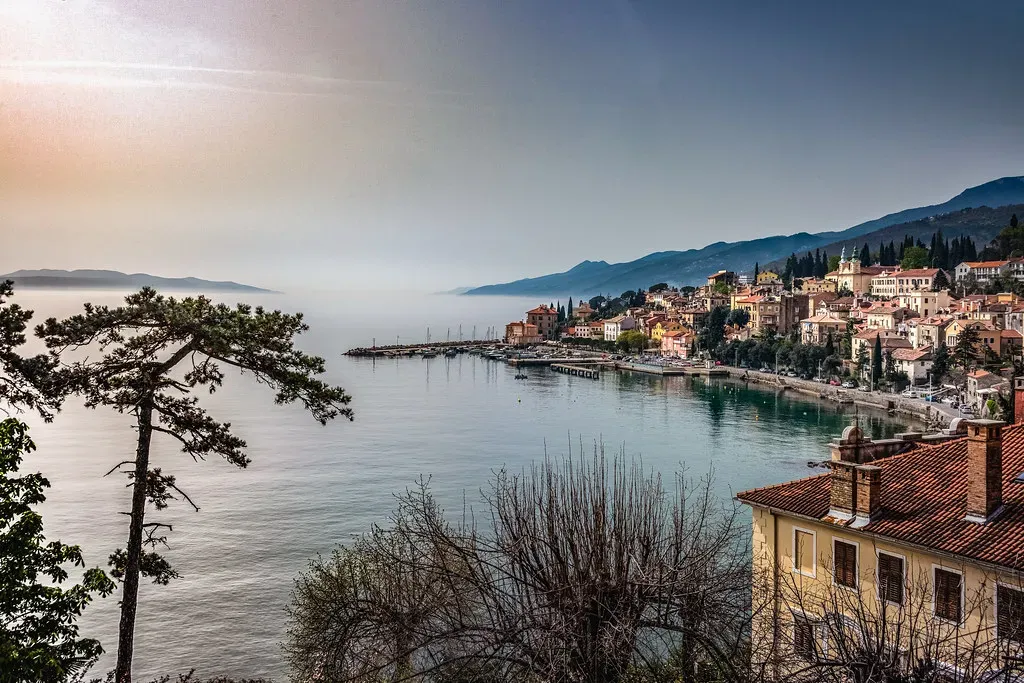
Florida has no shortage of retirement towns, yet Cedar Key is a genuinely different proposition. For retirees seeking a laid-back Florida lifestyle without the price tag, Cedar Key is a hidden gem. This fishing village on the Gulf Coast offers charm, natural beauty, and a strong sense of community, and with the Cedar Keys National Wildlife Refuge nearby, it’s a haven for nature lovers.
Florida’s lack of state income tax helps stretch retirement dollars further, and the housing market remains accessible, with median home prices in early 2025 sitting around $281,500. It’s currently a buyer’s market, giving retirees added negotiating power in this peaceful waterfront town. At that price point, in a state with no income tax, near a national wildlife refuge – Cedar Key feels like a deal hiding in plain sight. The crowds simply haven’t discovered it yet, and that’s the whole point.
Hutchinson, Kansas: Prairie Practicality With More Soul Than You’d Think
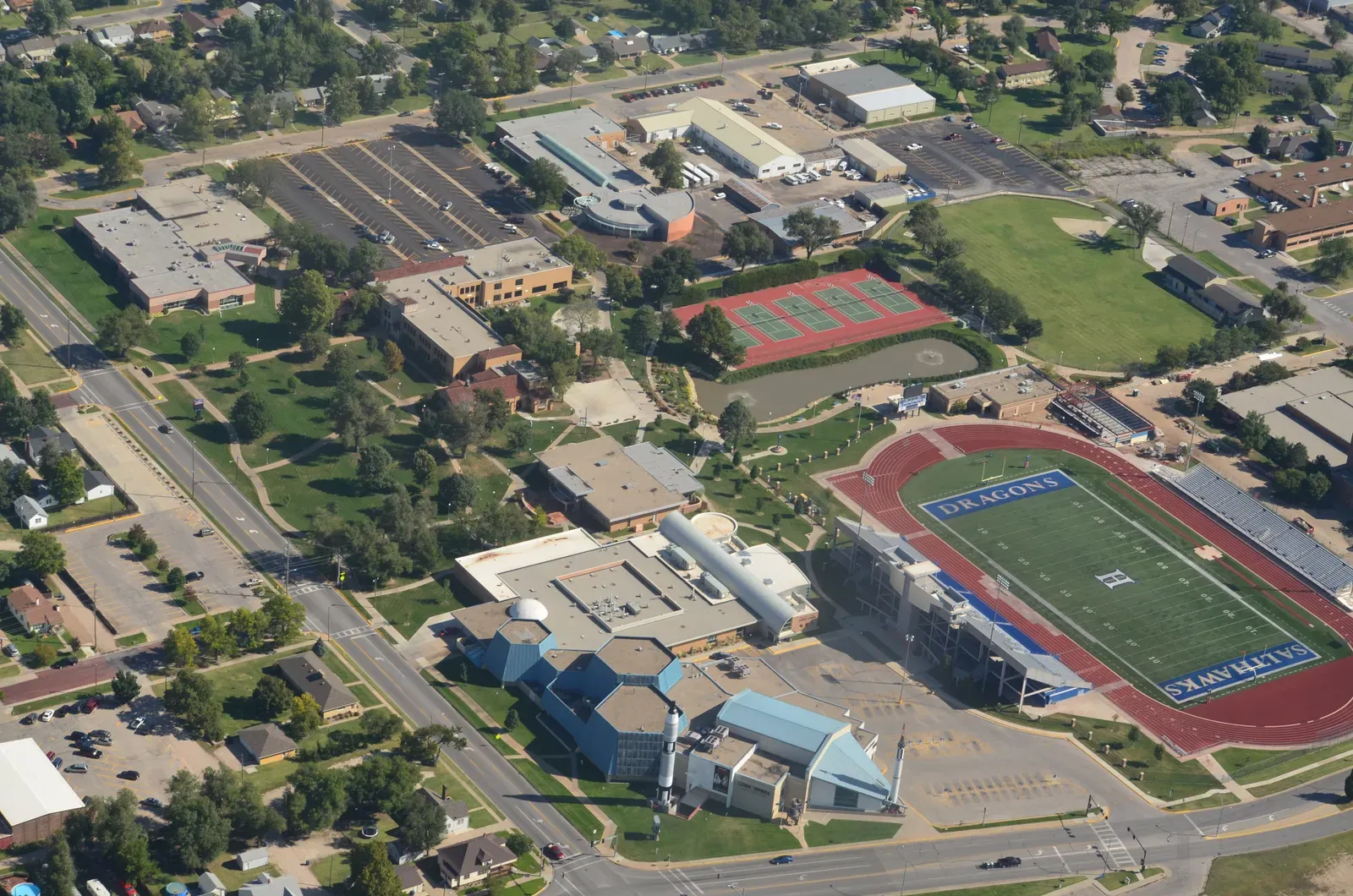
I’ll admit it – Kansas isn’t the first word that jumps to mind when imagining retirement. That’s exactly why Hutchinson deserves attention. Hutchinson, Kansas, is less than an hour northwest of Wichita and, thanks to a strong local economy based on wheat production and oil extraction, it has many of the resources and amenities you’d find in a larger city. The city is home to various parks, the Cosmosphere Aerospace Museum, and the annual Kansas State Fair.
A Motley Fool analysis ranked Kansas among the most affordable states for retirees based on overall cost of living scores. As of 2024, residents aged 65 and over make up about 18 percent of the total population in Kansas. That’s a meaningful share, which means the infrastructure, services, and social fabric for older adults is well developed. It’s hard to say for sure, but Hutchinson may be the most practical retirement option most people have never seriously considered.
Maryville, Tennessee: Knoxville’s Quieter, Smarter Neighbor
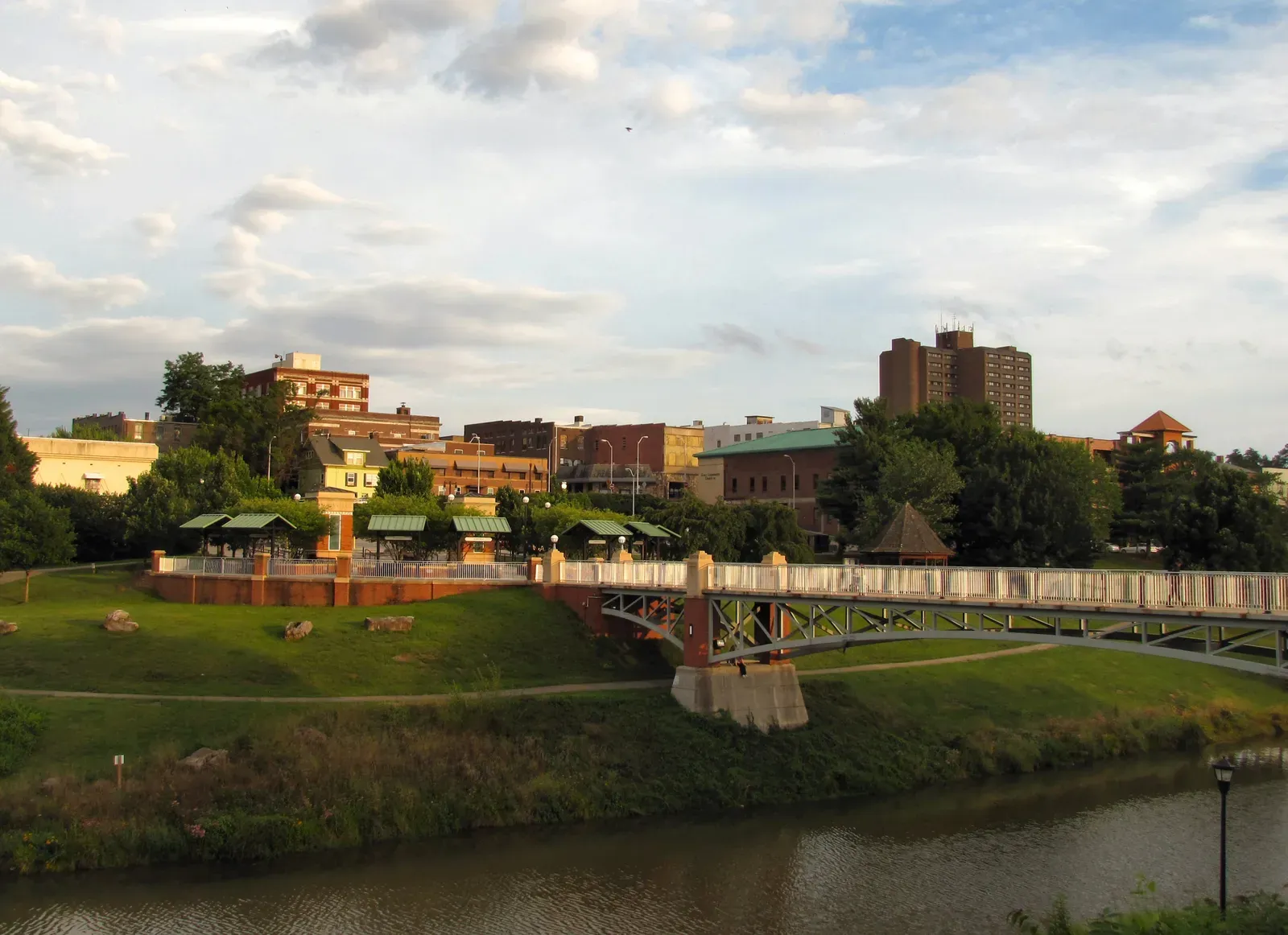
Maryville sits in Blount County, just south of Knoxville, and offers something increasingly rare: proximity to a real city without the noise, traffic, or inflated prices that come with it. Near fast-growing Knoxville, Maryville offers an alternative with easy access to city amenities and the great outdoors, located in Blount County where property taxes are lower, with a median home sale price recently around $405,000. That price reflects a market still well behind the national trend in comparable locations.
Tennessee has long ranked as one of the most tax-friendly states for retirees. Motley Fool’s analysis ranked Tennessee among the most affordable states for retirees based on overall cost of living. Access to healthcare also matters deeply to this demographic. The 2025 U.S. News rankings specifically weighted healthcare quality as a core factor in retirement livability scores across all evaluated cities. Maryville benefits from its proximity to Knoxville’s hospital network, giving residents access to serious medical infrastructure without paying urban prices for a home down the street.
The Bigger Picture Worth Remembering

What connects these seven towns? None of them are trying to be the next big thing. That’s actually their greatest strength. A 2023 study found that adults who are most satisfied post-retirement are in communities where they are engaged and have a sense of purpose, and that sense of engagement is not just desirable but essential to quality of life.
Smaller communities tend to deliver that kind of belonging more reliably than crowded retirement meccas. By the end of 2025, housing prices continue to remain high in many of the most popular retirement areas, pushing experts to highlight towns that are less well-known but affordably priced and rich in community feeling. The window to discover these places before everyone else does is still open, but it won’t stay that way forever.
Seven very different towns, seven very different lifestyles, but one consistent thread: genuine value and authenticity that the crowded, overhyped destinations simply can’t match anymore. Which one would you have least expected to make this list?