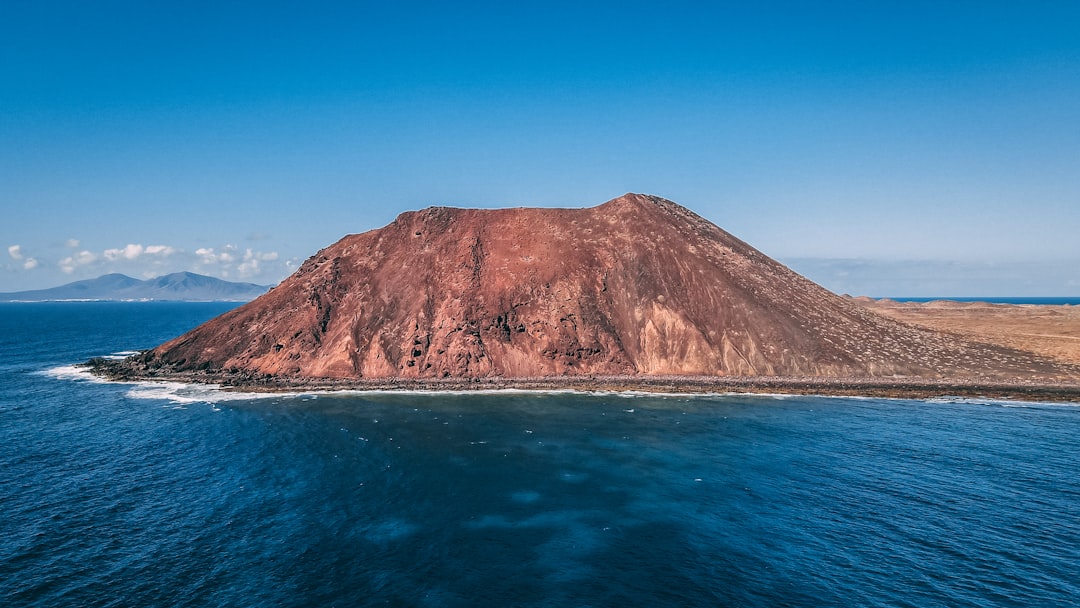

In the remote waters of the South Pacific, a submarine volcano named Home Reef has been steadily pushing a new island above the waves. What started as a small landmass in 2022 keeps expanding through repeated eruptions, defying quick erosion that usually claims such formations.[1][2]
Satellite images captured its latest growth spurt in early 2026, leaving researchers to puzzle over how this volatile patch of land holds together amid pounding waves and ongoing activity. Tonga’s Geological Services monitors it closely, noting no immediate threats to nearby islands.
The Discovery at Home Reef
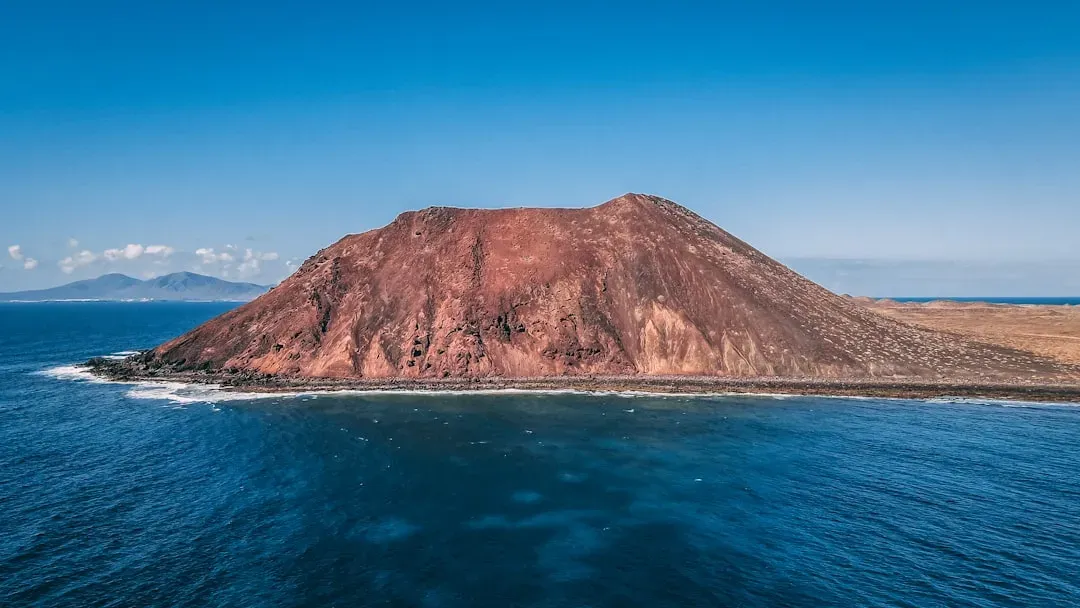
Home Reef sits in the Tonga archipelago, part of the fiery Tonga-Kermadec subduction zone. The current island emerged on September 10, 2022, from an underwater eruption that spewed lava and ash.[2] Scientists spotted it quickly via satellites, marking the first major event there since 2006.
That earlier island vanished fast under wave attack. This one, however, stuck around, sparking interest in its tougher makeup.
Positioned in a Volcanic Hotspot
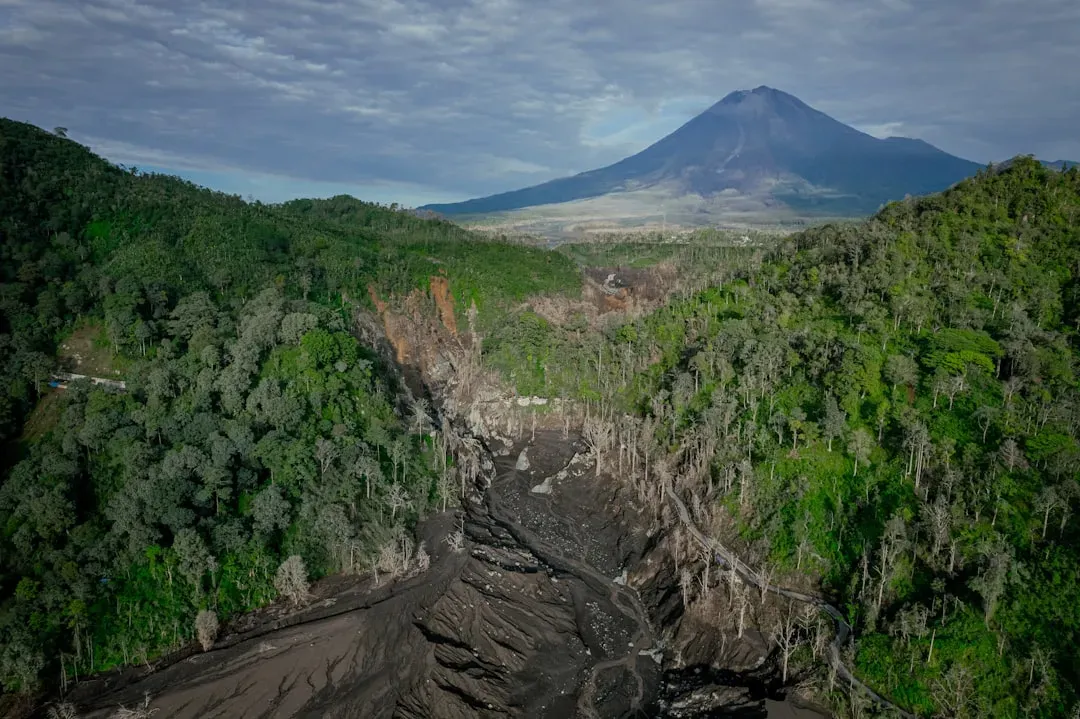
The Tonga Arc sees the Pacific Plate dive under the Indo-Australian Plate at record speeds. Home Reef lies midway between Metis Shoal and Late Island, in waters prone to explosive births and quick deaths of land.[2]
Such spots rarely yield lasting islands. Yet Home Reef’s repeated surges have built something more enduring, puzzling experts familiar with the pattern.
Greenish seawater plumes signal ongoing magmatic fluids mixing below.
The Kickoff Eruption in 2022
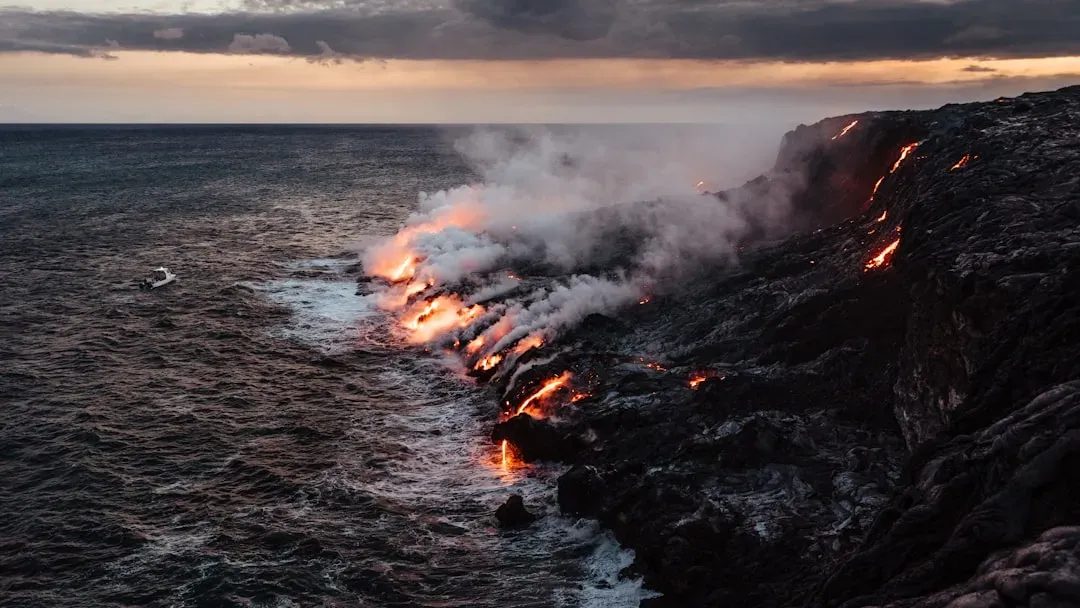
Lava flows rapidly formed a circular island of about 5.5 hectares in the first phase. Growth hit nearly 3,000 square meters per day at peak, slowing as it stabilized.[3] No pumice rafts floated away this time, unlike some neighbors.
By October, it measured over 54,900 square meters. Waves soon nibbled at the edges, but the core held firm.
Waves of Later Eruptions
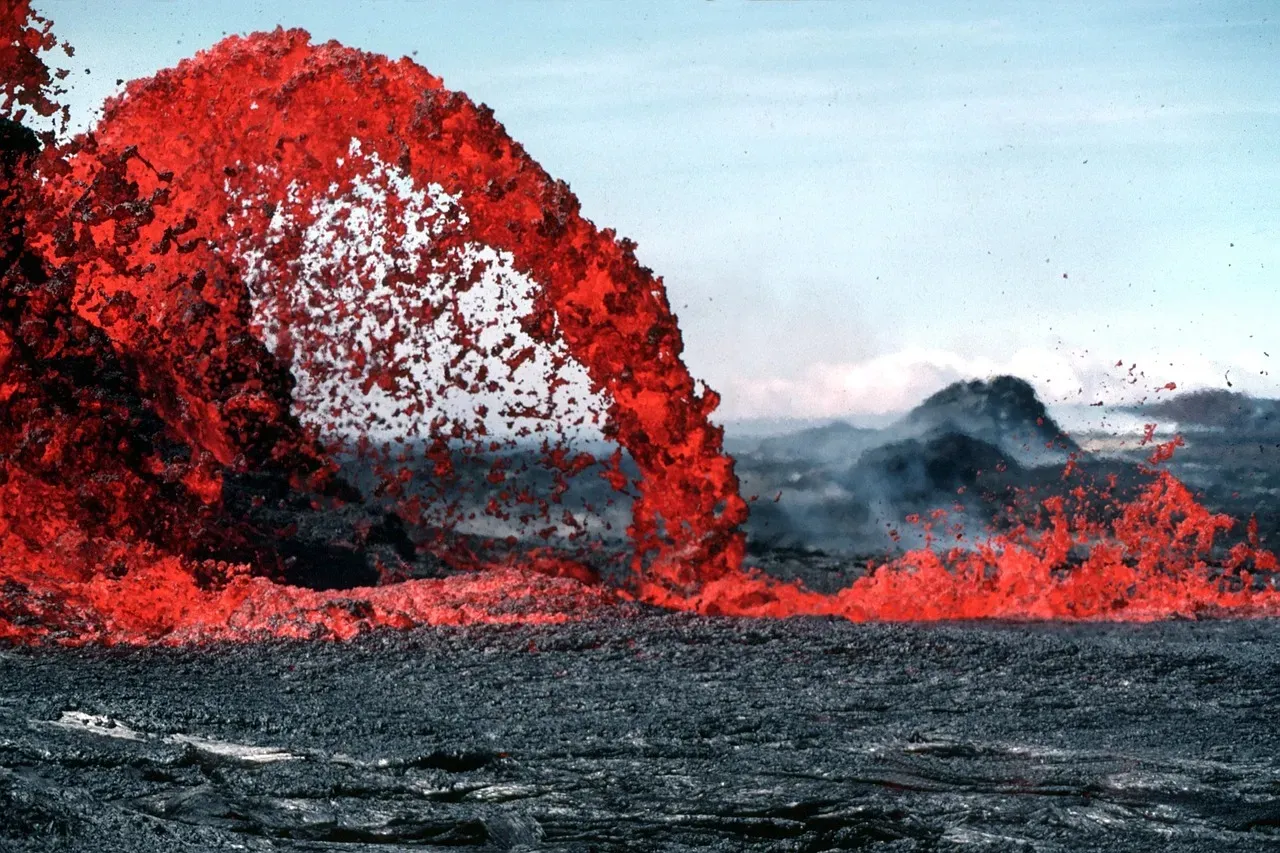
September 2023 added southern expansion to 74,000 square meters. January 2024 brought a quick eastward bump, then June 2024’s long phase pushed it past 122,000 square meters.[1][3]
December 2025 ignited the newest round, ongoing into February 2026. Each pulse rebuilds what erosion chips away.
Stunning Growth Spurts
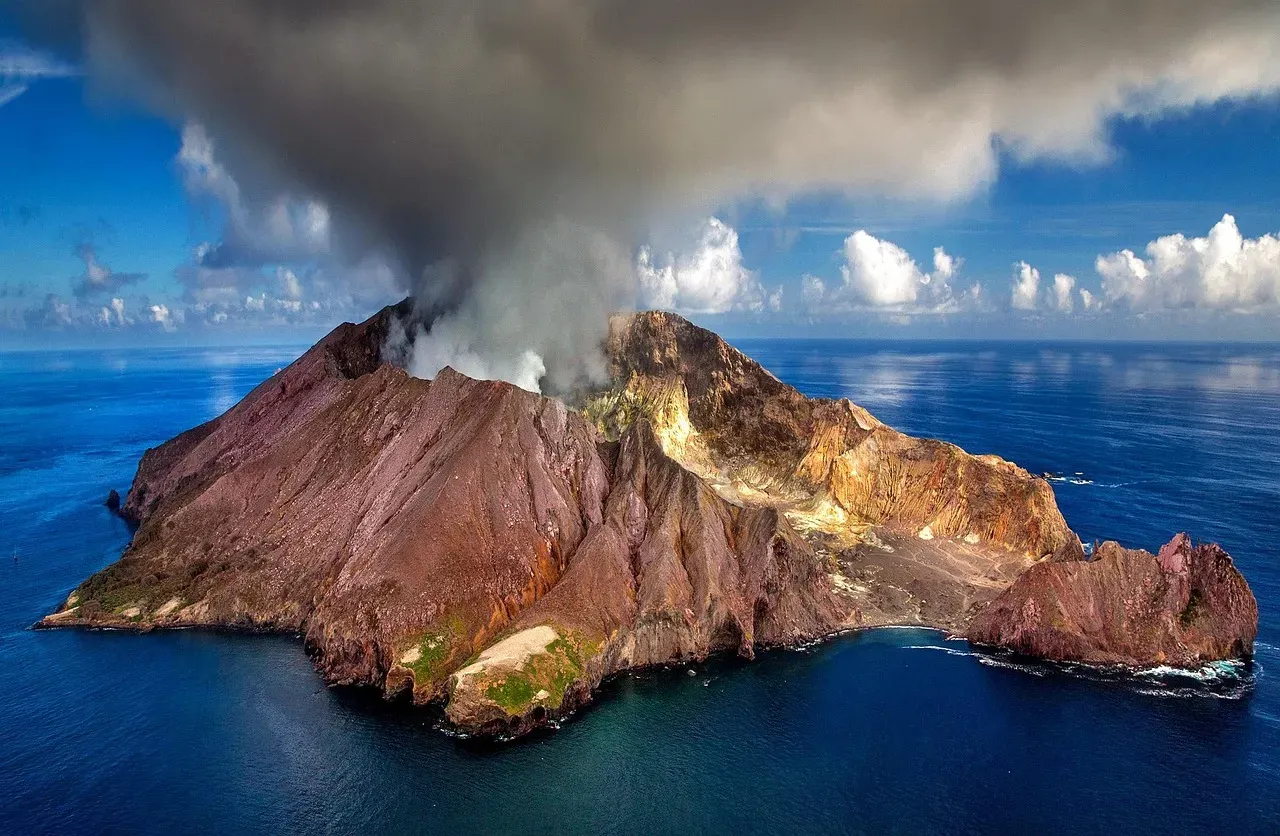
From 2022 to mid-2024, the island swelled to 12.2 hectares, then tacked on 3.7 more hectares by early 2025. By February 2026, it spanned 26 hectares, with lava platforms jutting north, east, south, and west.[2]
Satellites clocked expansions of up to 1,870 square meters daily in June 2024. Total subaerial lava volume nears 3.75 million cubic meters.
This pace outstrips many short-lived rivals.
Vent Migration Mystery
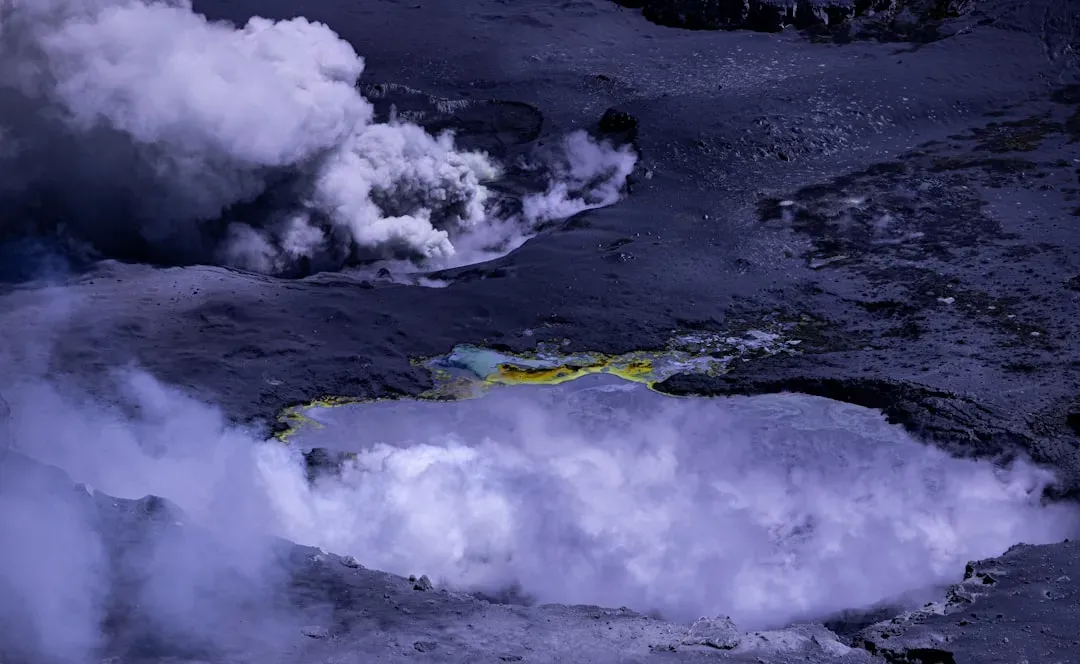
Erosion carves the island’s flanks, shifting vents toward weakened spots. In each phase, new openings popped up where waves hit hardest, steering fresh lava.[3]
One moved 72 meters southwest in 2023. Scientists find this feedback loop between destruction and construction particularly intriguing.
It explains the lopsided growth better than steady venting would.
Why It Resists Erosion
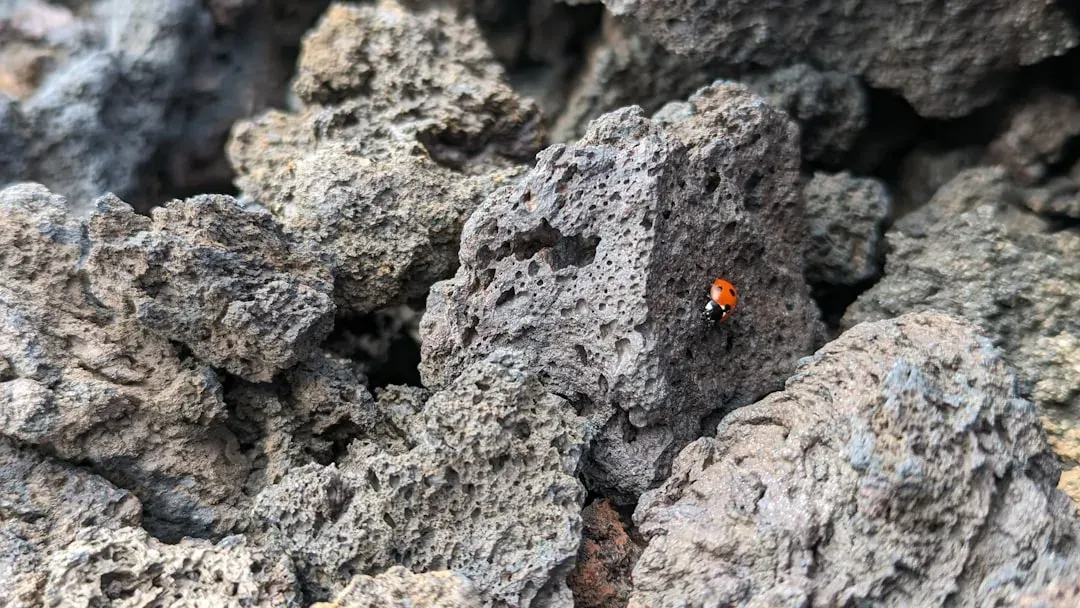
Andesitic lava, rich in silica, hardens into durable rock unlike pumice-heavy blasts elsewhere. Historical Home Reef islands eroded at 110 square meters per day, yet this one rebounds faster.[3]
Beaches of reworked ash buffer some battering. At 15-18 meters high, it withstands swells that doom shallower piles.
Satellites Unlock Real-Time Views
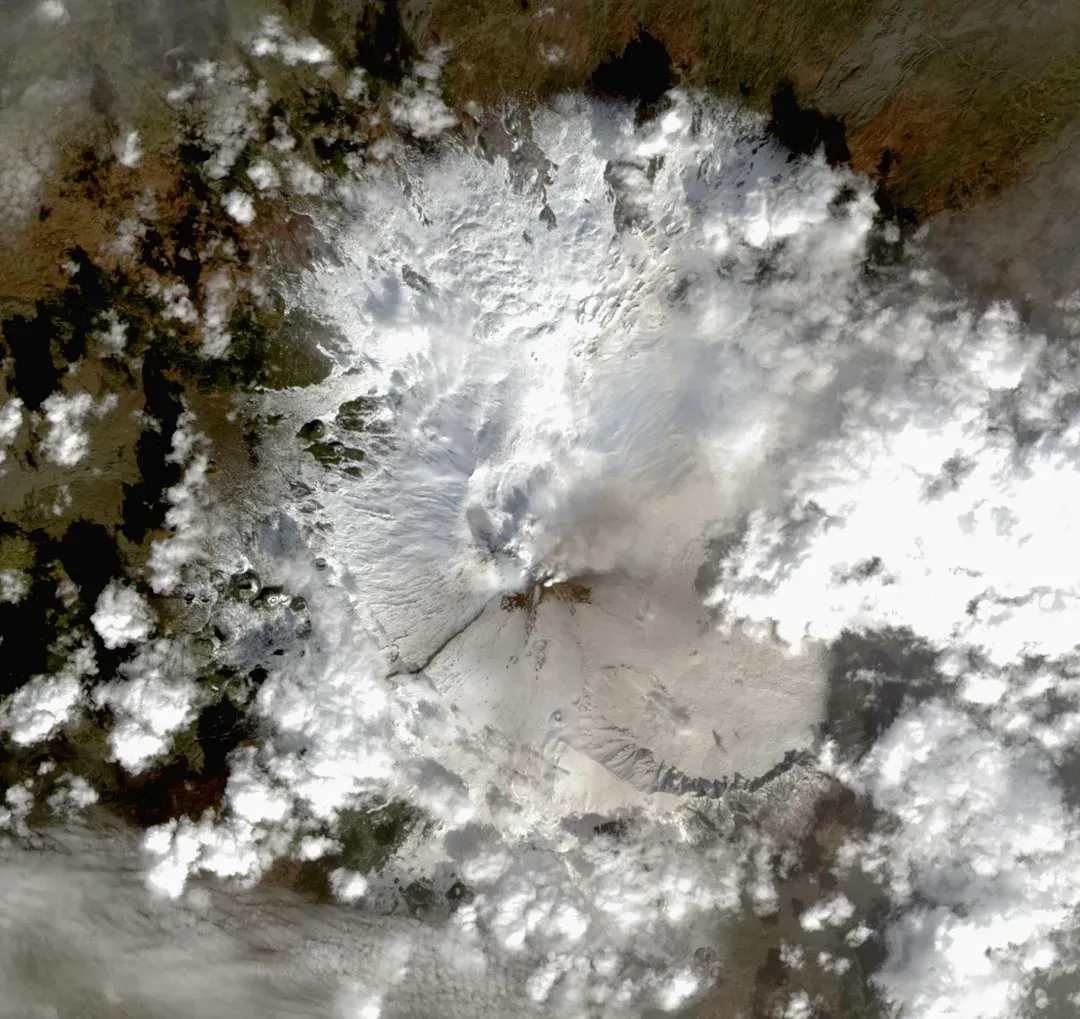
Landsat, Sentinel, and TerraSAR-X track every change safely from orbit. Thermal sensors spot hot vents, while radar pierces clouds for precise shorelines.[2]
This setup reveals plume drifts and acidified waters teeming with iron and sulfur. Tonga Geological Services uses it for aviation alerts.
No populated areas face direct risk, hundreds of kilometers off.
Lessons for Volcanic Science
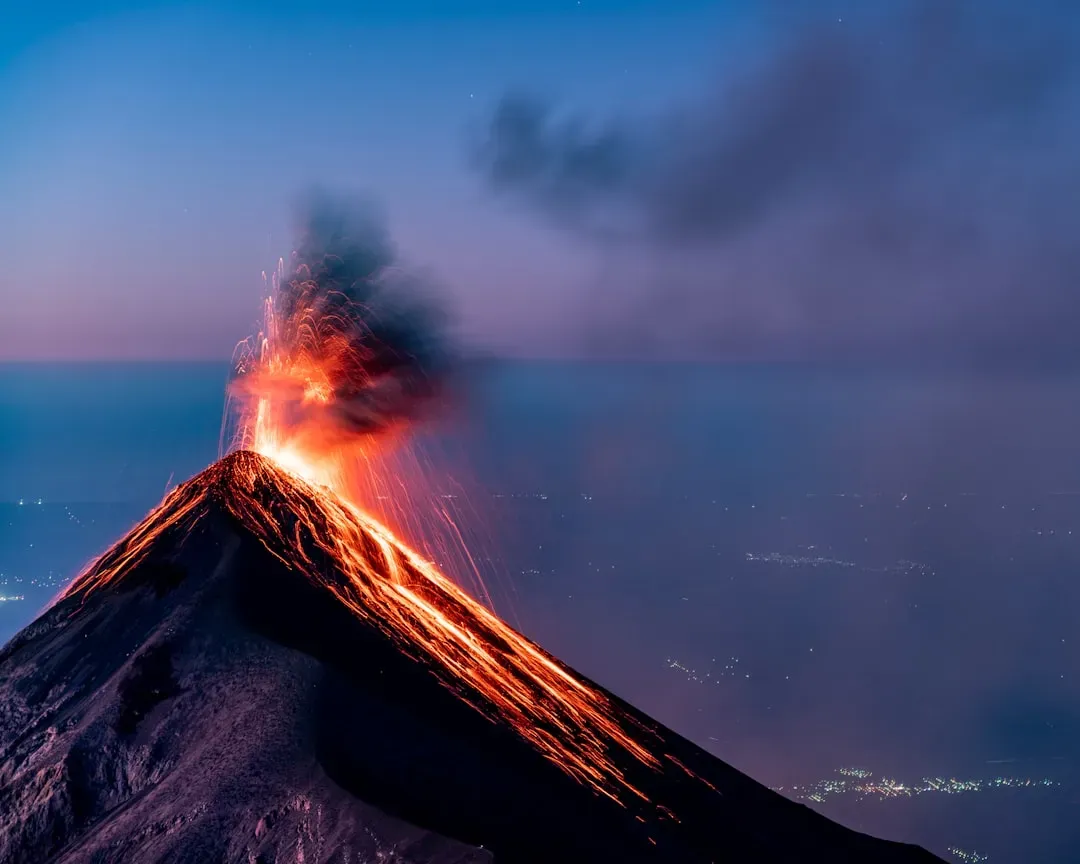
Studying Home Reef refines models of island-building in arcs. Vent shifts highlight erosion’s role in eruption styles, with landslide risks low but worth watching.[3]
It echoes Hunga Tonga nearby, whose 2022 blast reshaped global views on submarine power. Such events test hazard predictions.
Gazing Toward the Horizon
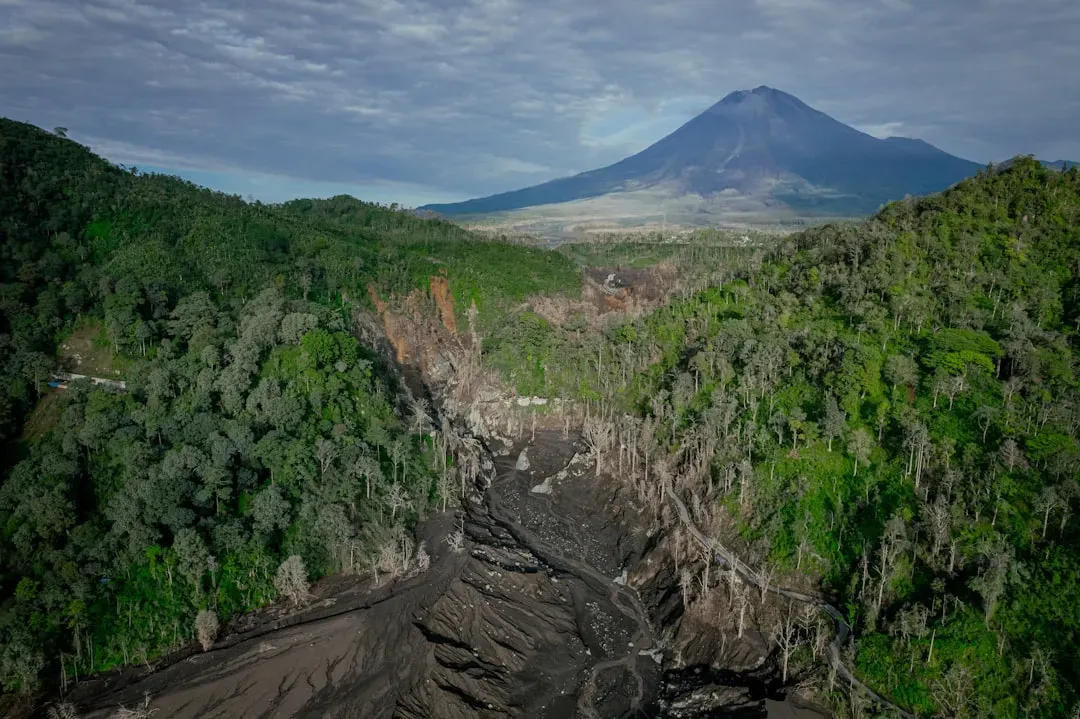
Activity persists at low levels into April 2026, with no big blasts forecast. Waves will likely sculpt it further, perhaps shrinking then regrowing.[2]
Researchers anticipate more phases, each offering fresh data. This stubborn speck reminds us how Earth’s fiery underbelly keeps rewriting the map, one lava flow at a time.