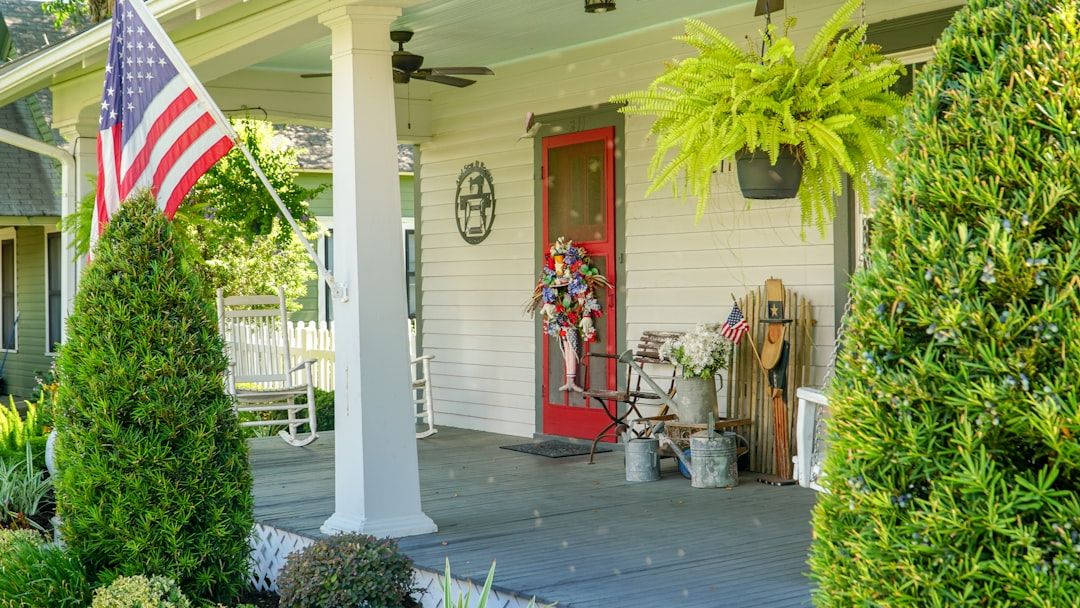

Front porches once defined American neighborhood life. Families gathered there to chat with passersby, fostering easy connections. Yet over decades, these spaces have faded from daily use.
Homeowners now gravitate toward backyards. Privacy drives this shift, with many installing tall fences to create secluded retreats. Recent surveys highlight how this trend reshapes suburban living.[1]
Historical Roots of the Porch Decline
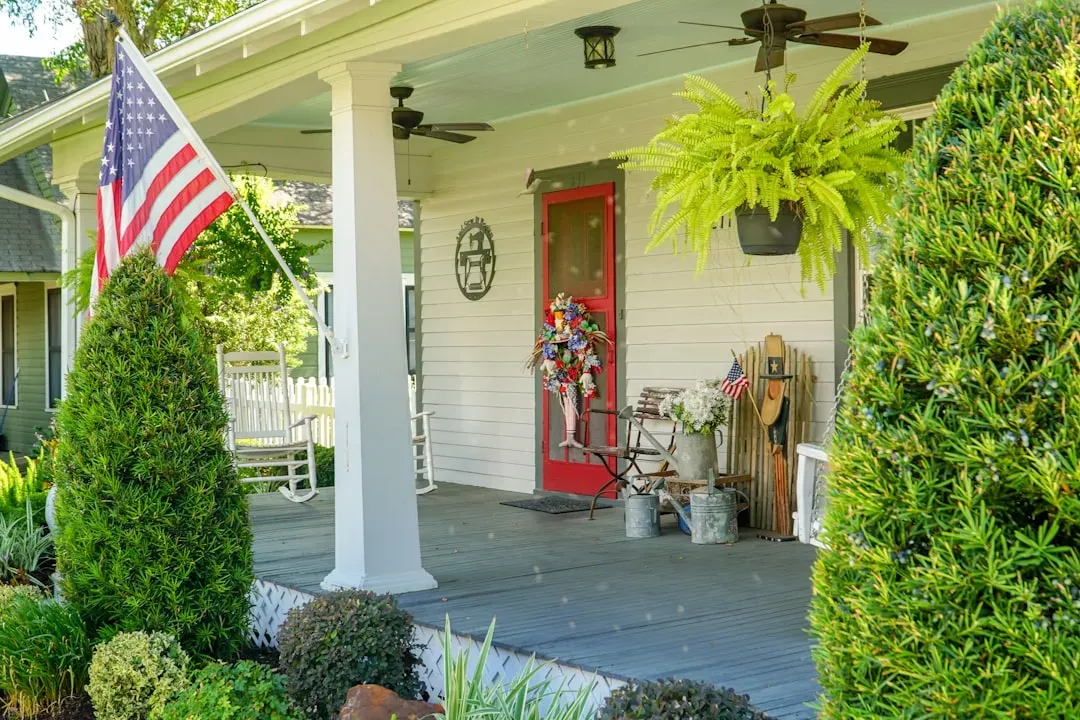
Front porches thrived before World War II as social hubs. Neighbors waved from swings, building community without effort. Air conditioning and television changed that after the 1950s.
People retreated indoors for comfort. Cars pulled homes farther from streets, shrinking porch appeal. This set the stage for backyard dominance in suburbs.[2][3]
The Privacy Pull of Backyards
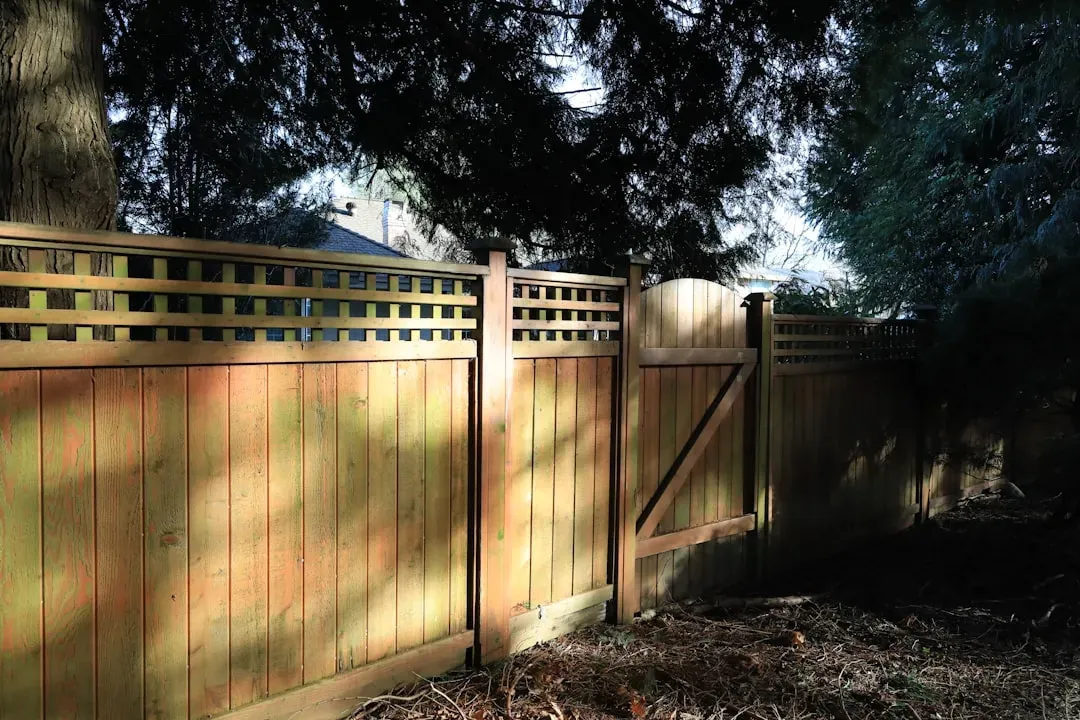
Backyards offer escape from prying eyes. A 2024 survey found 65 percent of Americans actively avoid neighbors. This fuels demand for enclosed spaces over open front yards.[1]
Front areas stay manicured for curb appeal. Daily relaxation happens out back. Privacy fences now outpace traditional picket styles in installations.[4]
Surge in Backyard Spending
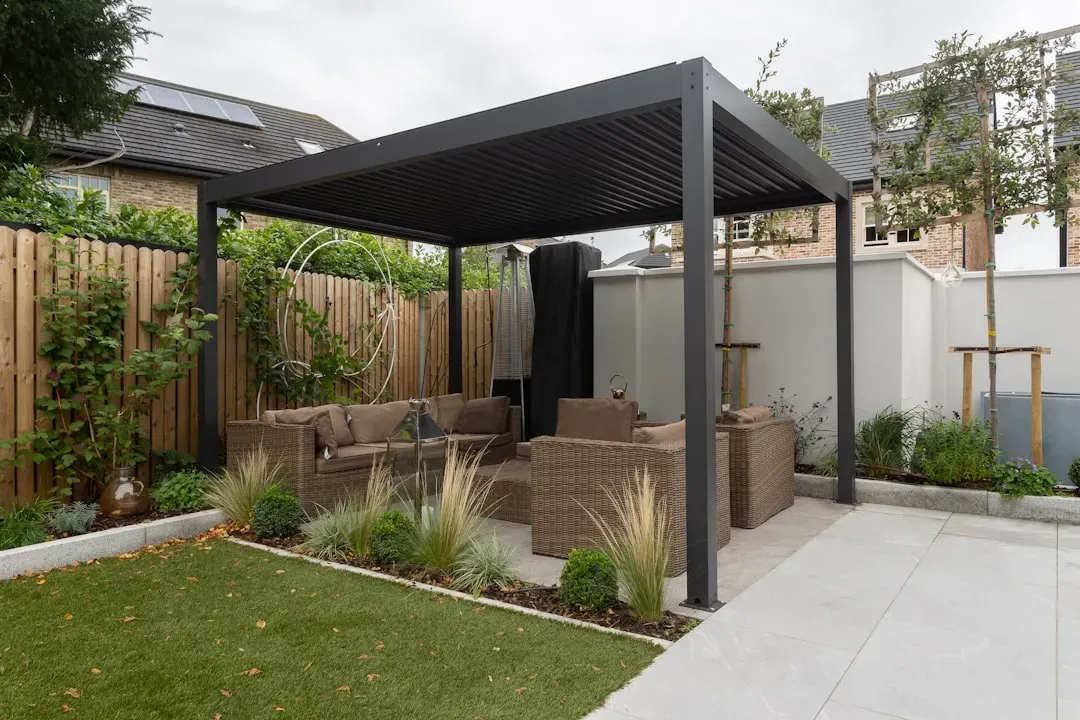
Homeowners poured resources into rear oases during the pandemic. Trends continued into 2025, with backyard sanctuaries topping outdoor priorities. Nearly 87 percent see yard upgrades boosting resale value.[5]
Average outdoor time at home rose 22 percent to 11.7 hours weekly. Patios and decks anchor these private zones. Front yards rarely see similar investment.[6]
Fence Trends Favor Tall Barriers
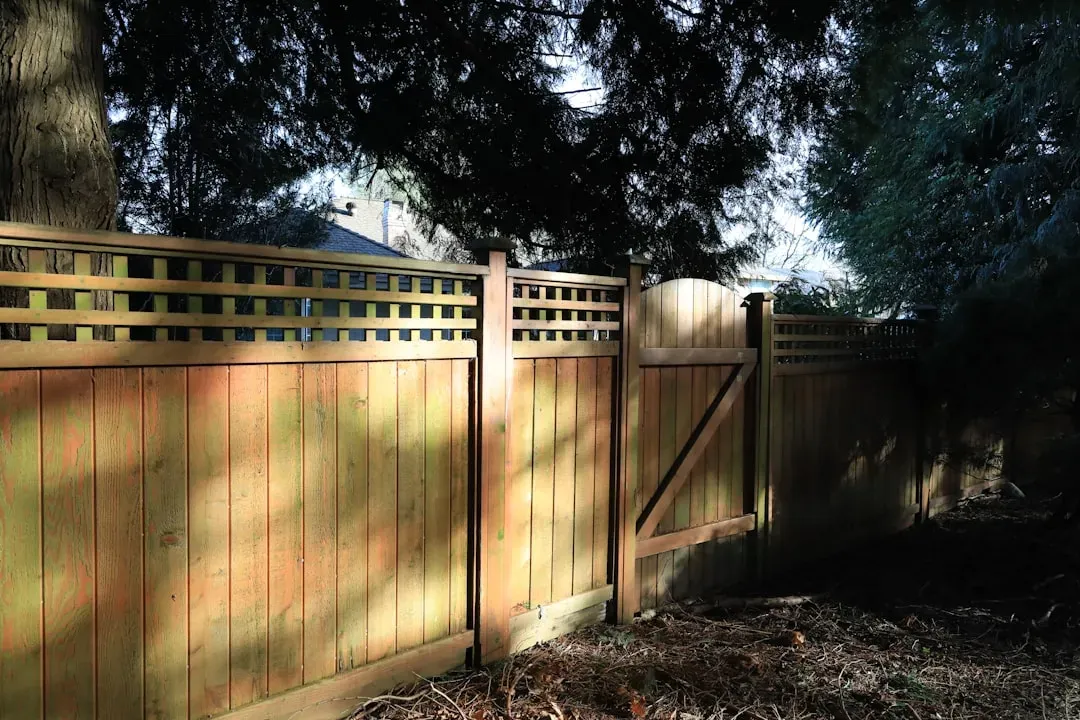
Privacy fencing demand jumped 22 percent in 2025 designs. Homeowners choose solid panels over spaced pickets. This blocks views while defining property lines.[4]
U.S. fencing market hit 9.33 billion dollars in 2024, growing steadily. Eco-materials and smart features add appeal. Front yards stick to low or no fences due to local rules.[7]
Neighbor Avoidance on the Rise
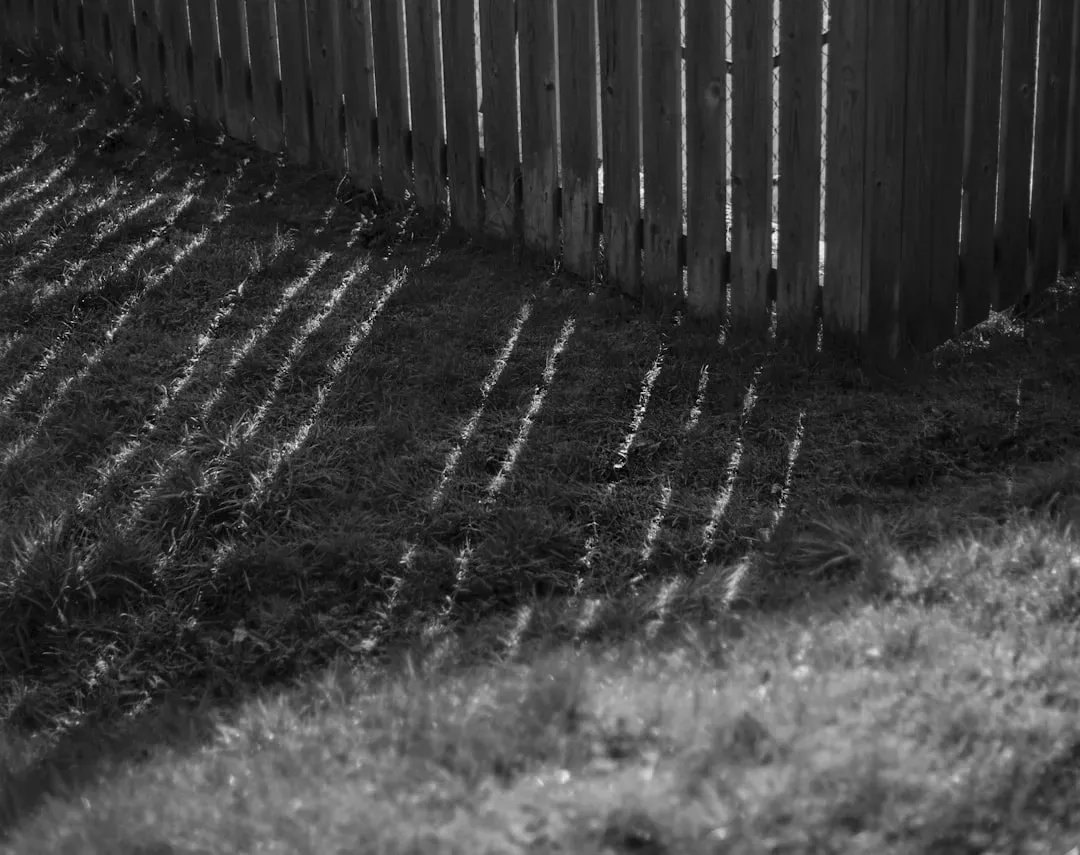
Surveys reveal widespread retreat from public interactions. Two-thirds hide when spotting neighbors approaching. This behavior pushes activity to shielded backyards.[1]
Suburban norms emphasize front yard neatness. Yet personal time stays private. Community chats happen less spontaneously as a result.
New Homes Echo the Shift
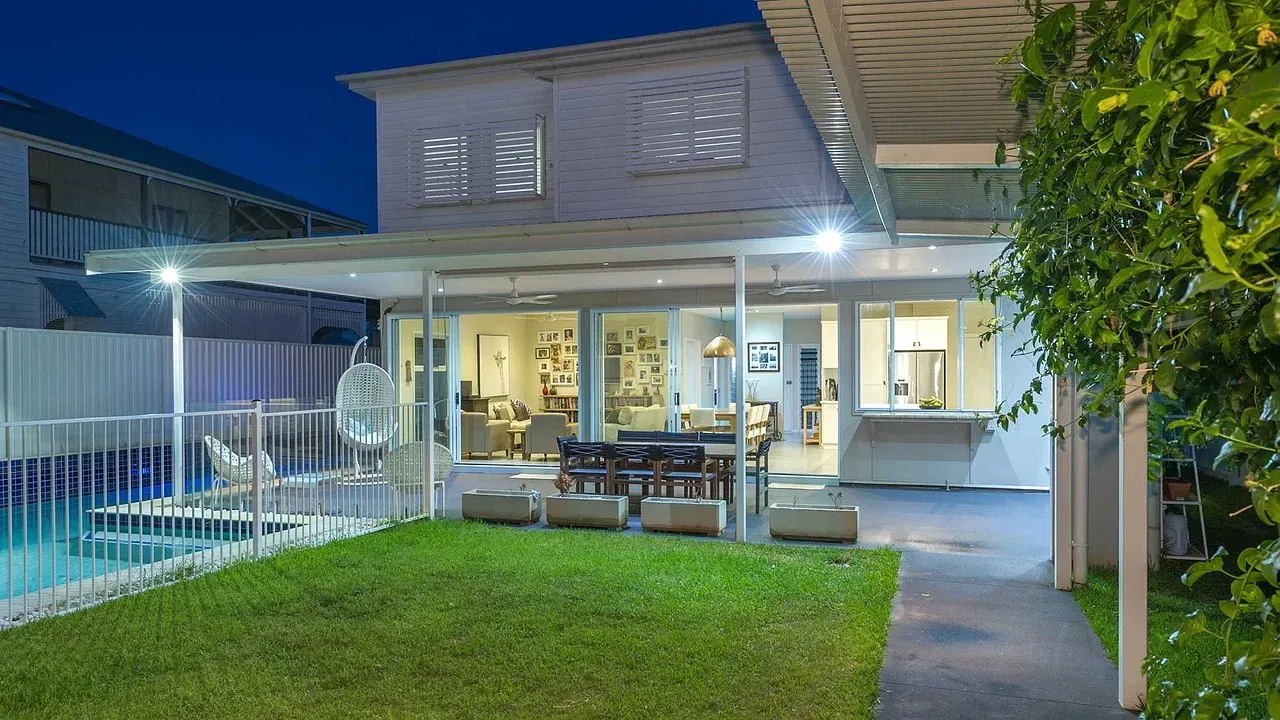
Patios appeared in 61.8 percent of 2025 single-family starts, down slightly from prior years. Porches remain common but see less use. Builders note backyard features as buyer must-haves.[8]
Rear decks and covered areas dominate requests. Front spaces prioritize aesthetics over lounging. This mirrors long-term privacy preferences.[9]
Less Time on Porches, More Indoors
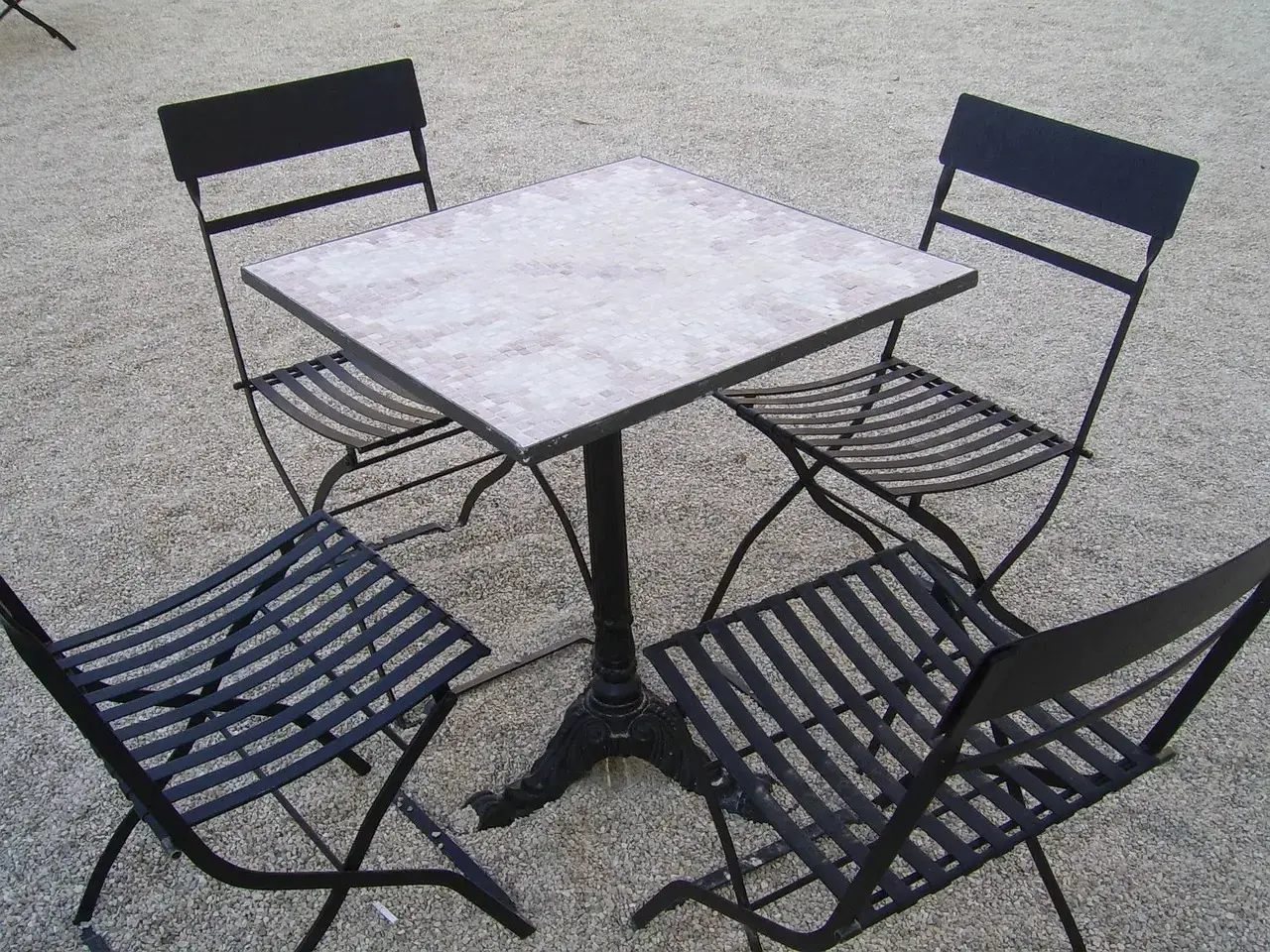
Seventy-seven percent of consumers want more home outdoor time but fall short. Air conditioning keeps folks inside during heat. Front porches gather dust as backyards get equipped.[10]
Historical data shows porches peaked mid-century. Modern homes shift square footage rearward. Privacy walls seal the deal.
Community Ties Weaken
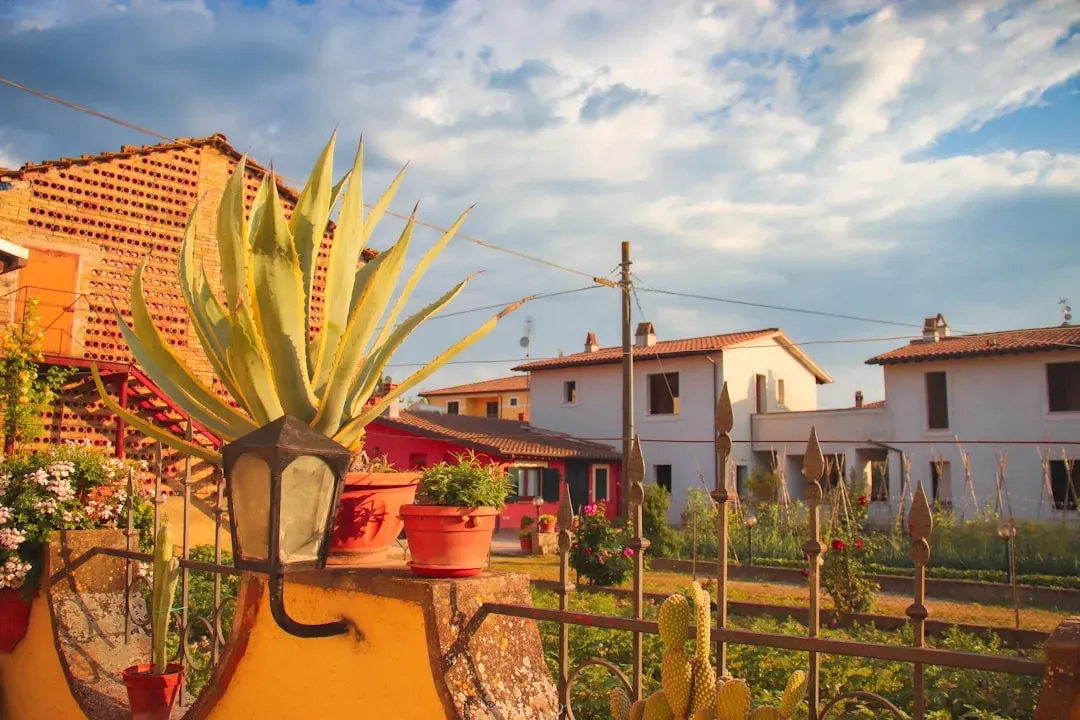
Open front yards once sparked hellos. Fences now limit those moments. Studies link lively fronts to neighbor bonds, yet privacy wins out.[11]
Backyard focus reduces casual encounters. Suburbs feel quieter streetside. Some lament lost porch culture amid rising walls.
2026 Signals Mixed Revival
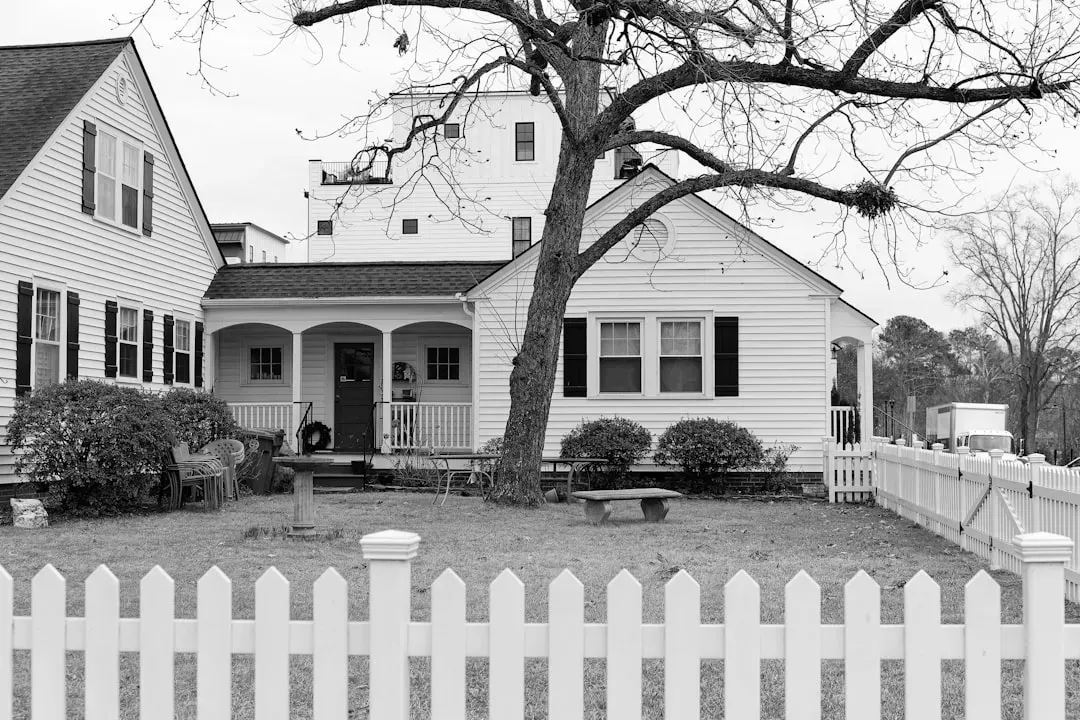
A 2026 report spots interest in front-of-home upgrades. Contractors note demand beyond backyards. Still, privacy rules most designs.[12]
Trends blend seclusion with subtle curb appeal. Tall rear fences pair with tidy fronts. Full porch comeback seems distant.
Market Data Backs Backyard Boom
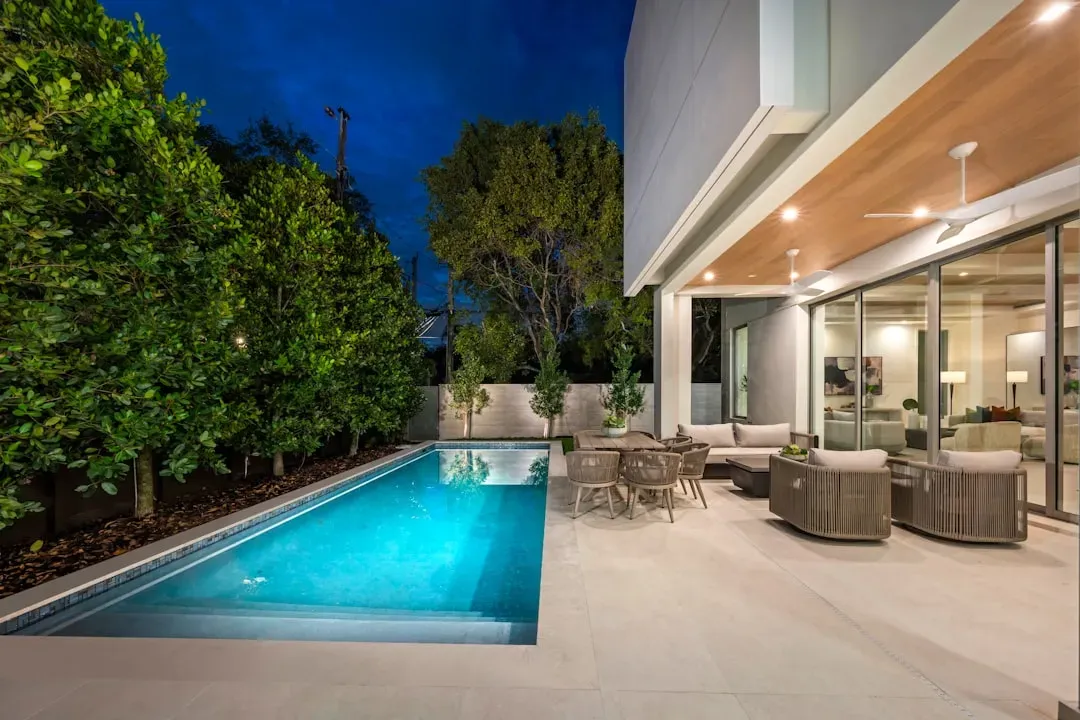
Outdoor living hit key growth through 2025. Renovations favored rear spaces by wide margins. Home values reflect enclosed yards’ allure.[13]
Fence sales climb with privacy emphasis. Picket styles linger upfront symbolically. Real living stays out of sight.
Conclusion
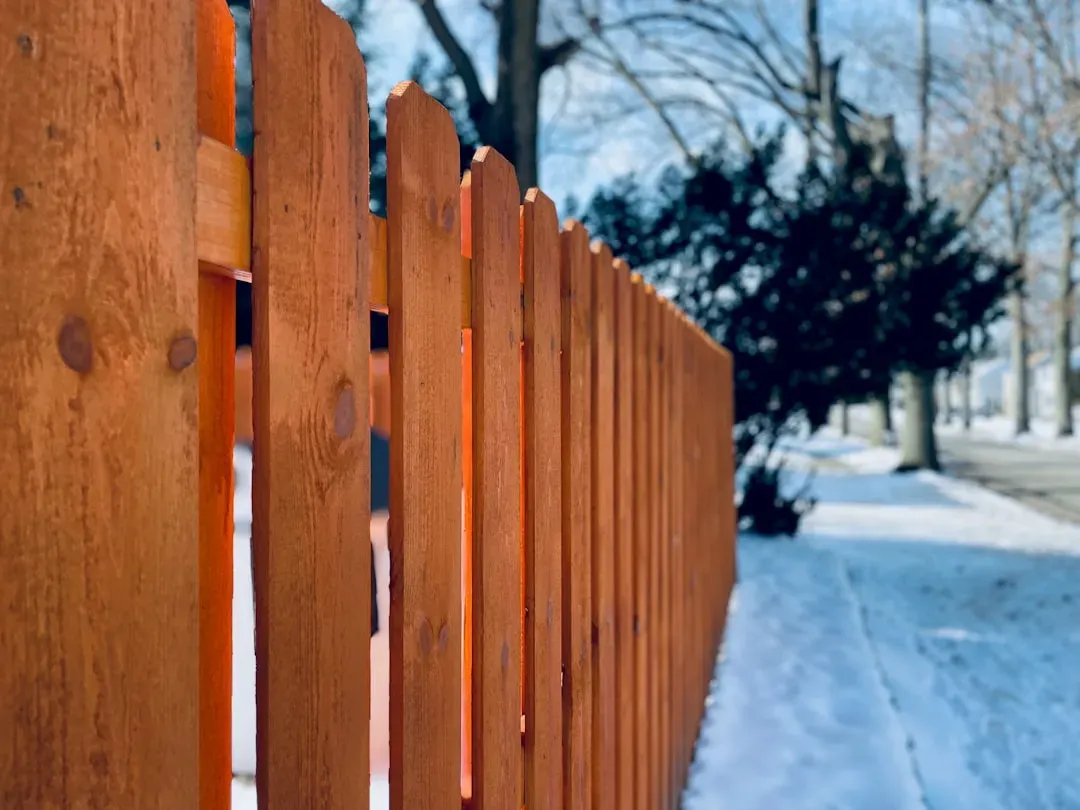
The front porch era yielded to private backyards long ago. Data from 2024 to 2026 confirms privacy’s hold on American homes. Streetside spaces endure for show, while real retreats hide behind fences.
This shift suits modern solitude. Neighborhoods adapt quietly. Porch swings wait for a rarer visitor.