
A simple white T-shirt might seem like the ultimate casual staple. Yet for those with deep pockets, one from The Row can set you back over $500. This choice captures the essence of quiet luxury, where subtlety trumps showy branding.
Wealthy Americans increasingly favor these understated pieces. They signal affluence to insiders without broadcasting it. The trend reflects a broader shift toward timeless quality amid economic flux.
What Defines Quiet Luxury?

Quiet luxury prioritizes impeccable craftsmanship over visible logos. Think high-end fabrics like cashmere or fine cotton in neutral tones. These items blend seamlessly into wardrobes built for longevity.[1]
The style emerged as a reaction to logo-heavy fashion. Affluent buyers seek exclusivity through rarity and superior make. In the US, this appeals to those valuing discretion in uncertain times.[2]
Market Growth Signals Strong Demand
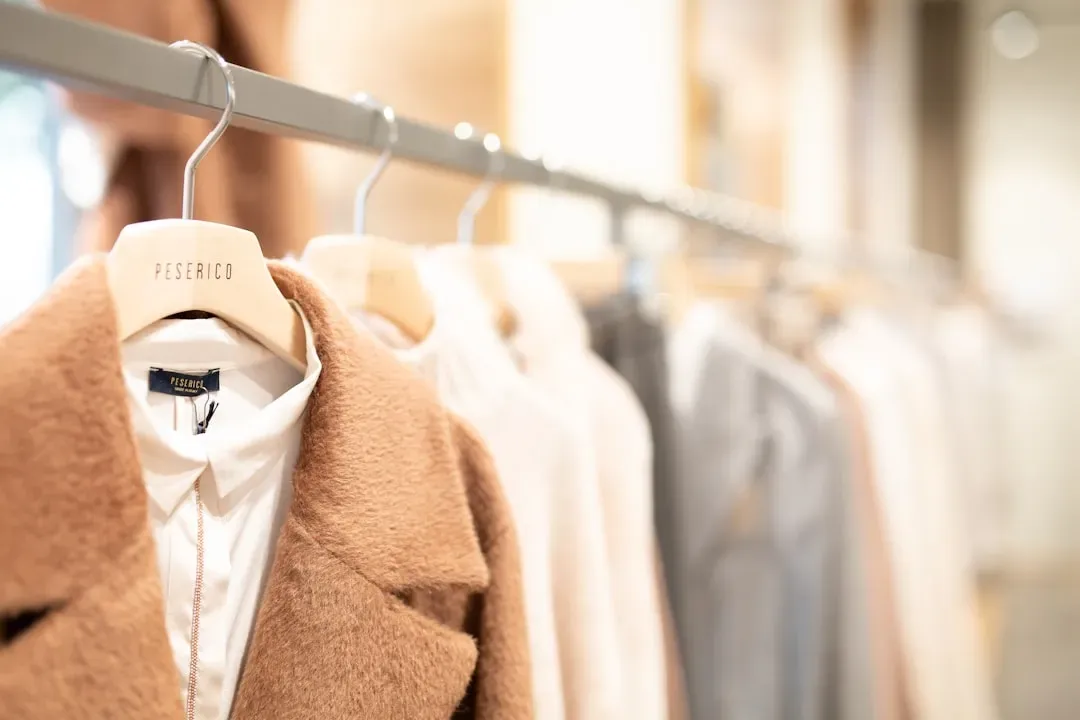
The silent luxury goods market hit $137.48 billion in 2024. It grew to $147.52 billion in 2025, with a projected CAGR of 7.3% through 2034.[1] North America leads this expansion, fueled by rising incomes and a taste for logo-free sophistication.
Apparel holds a key share, driven by minimalist designs. Consumers prioritize durability and timeless appeal. This steady rise shows the trend’s staying power among high earners.
Leading Brands at the Forefront
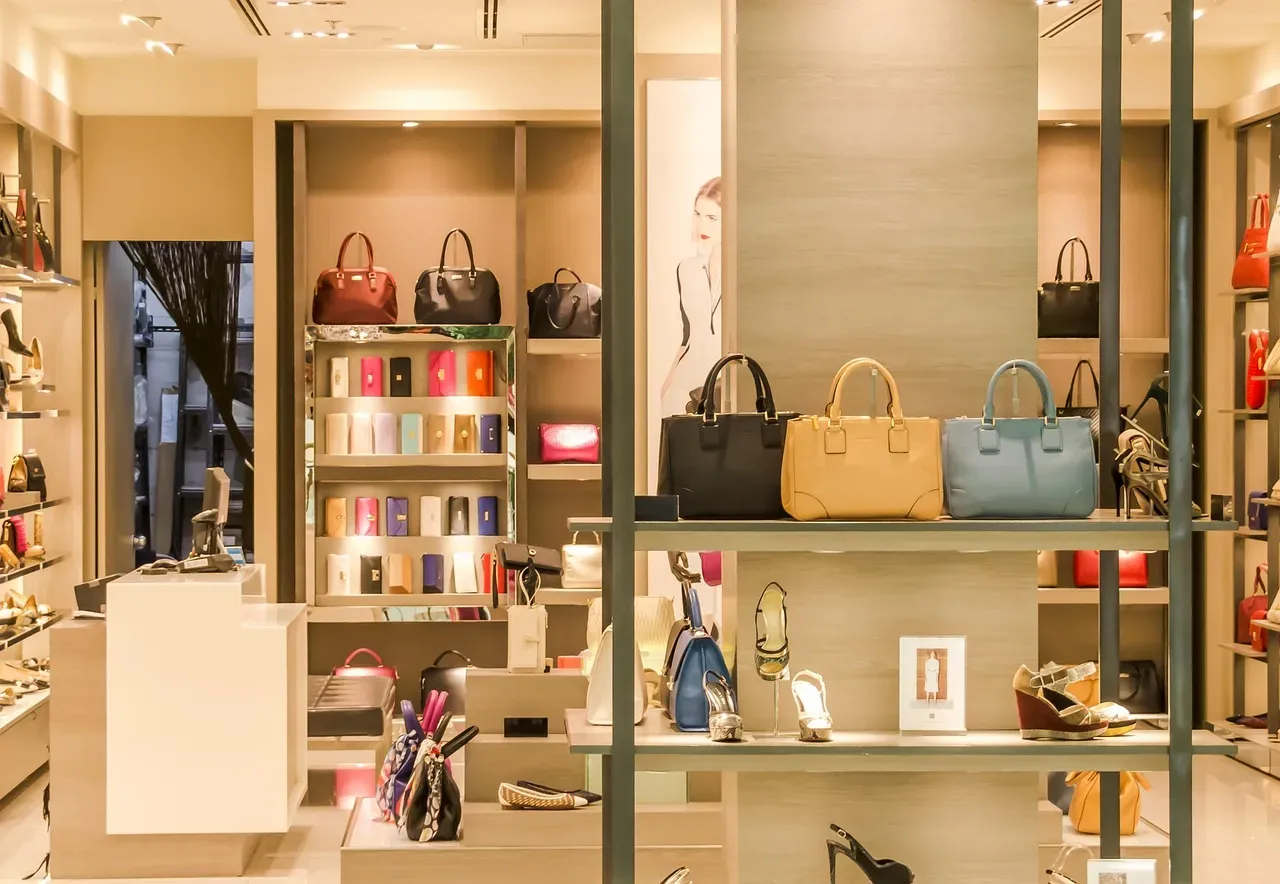
The Row, Loro Piana, and Brunello Cucinelli exemplify the movement. They focus on expert tailoring and premium materials without fanfare. The Row ranked among Lyst’s hottest brands in late 2024.[3]
These labels attract wealthy clients seeking authenticity. Their pieces endure seasons and trends alike. In the US, demand reflects a preference for heritage quality.
The Allure of the Plain White Tee
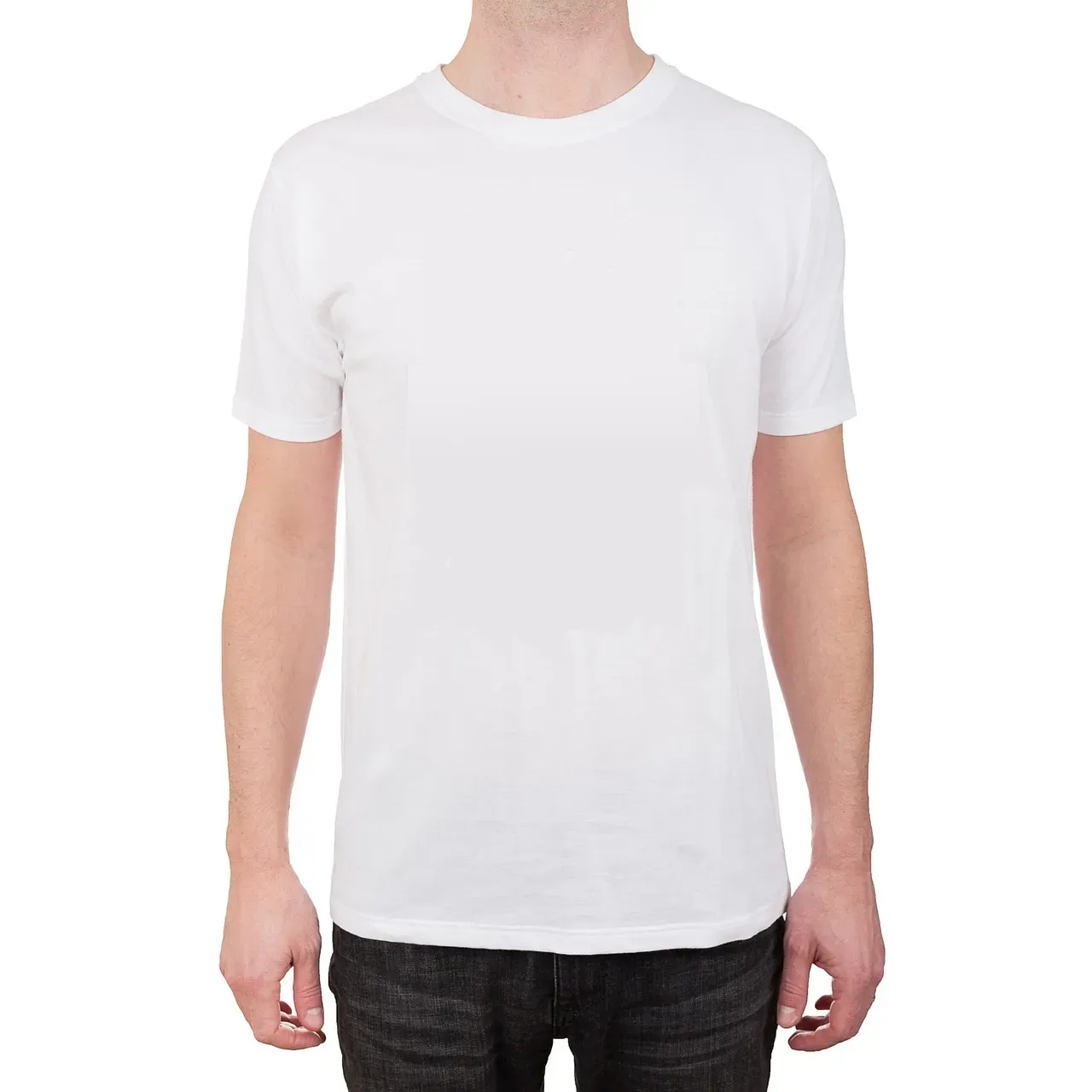
A plain white tee from The Row costs around $520. Made from fine cotton, it embodies quiet opulence. Insiders recognize the subtle markers of luxury in its fit and feel.[4]
This staple swaps Gucci’s bold prints for effortless versatility. Wealthy Americans stock multiples for their superior drape. It proves expense lies in details, not decoration.
Everyday wearability draws buyers in. The tee layers under blazers or stands alone. Its simplicity hides the true cost of excellence.
Ditching the Logo Obsession
Flashy logos from Gucci and Louis Vuitton face declining appeal. Shoppers tire of overt displays amid price hikes. Over 60% of luxury buyers now seek value in subtlety.[2]
Quiet alternatives offer better longevity. They avoid fast-fashion pitfalls of ubiquity. American elites prefer pieces that whisper rather than shout wealth.
Subtle Status Signaling
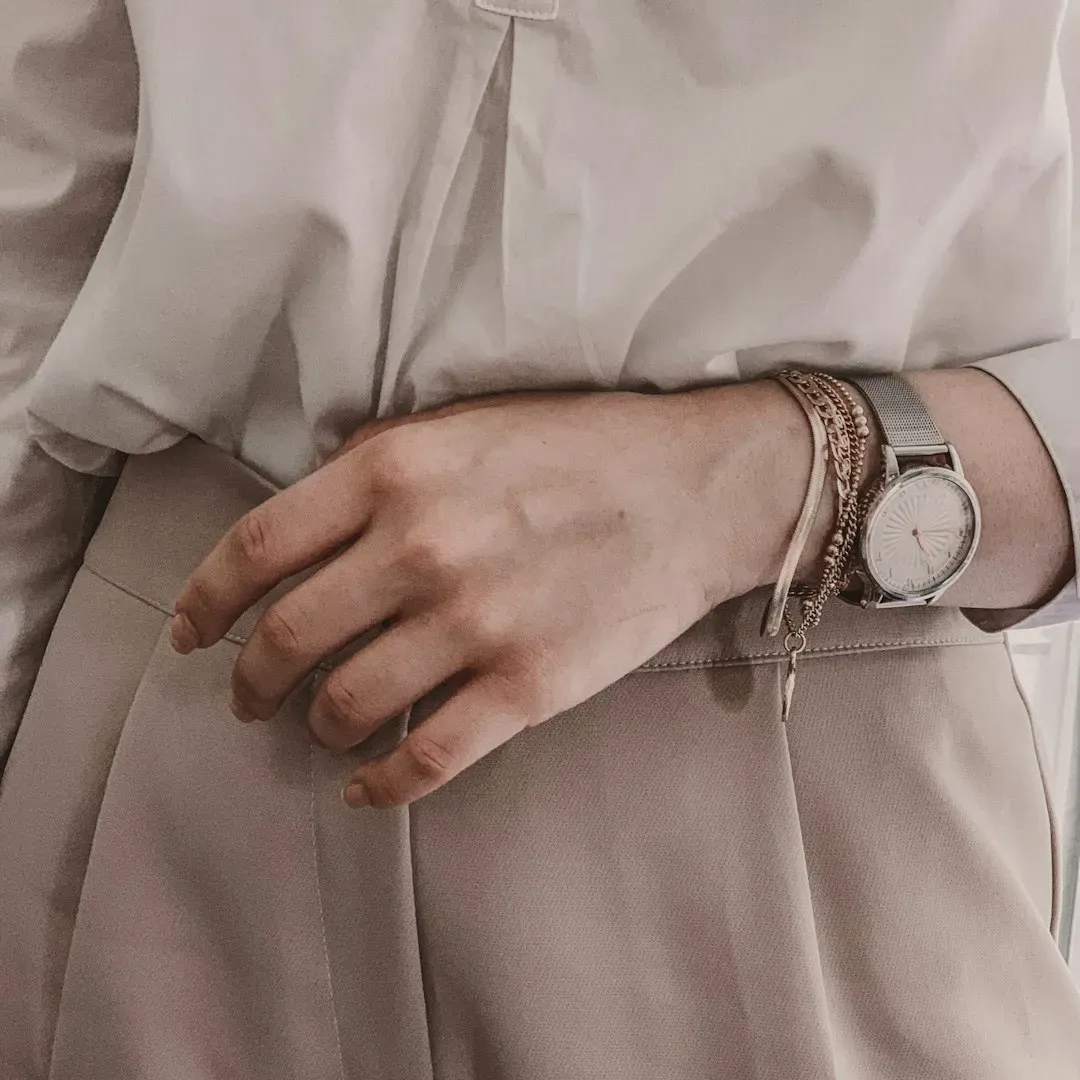
True affluence shows through connoisseur knowledge. A $500 tee nods to those who understand fabric grades. Logos democratize luxury, diluting their power.
This insider code thrives in elite circles. Wealthy Americans use it to differentiate from new money. Discretion conveys confidence and taste.
The approach aligns with professional settings. It projects poise without distraction. Peers appreciate the restraint.
Emphasis on Quality and Craft
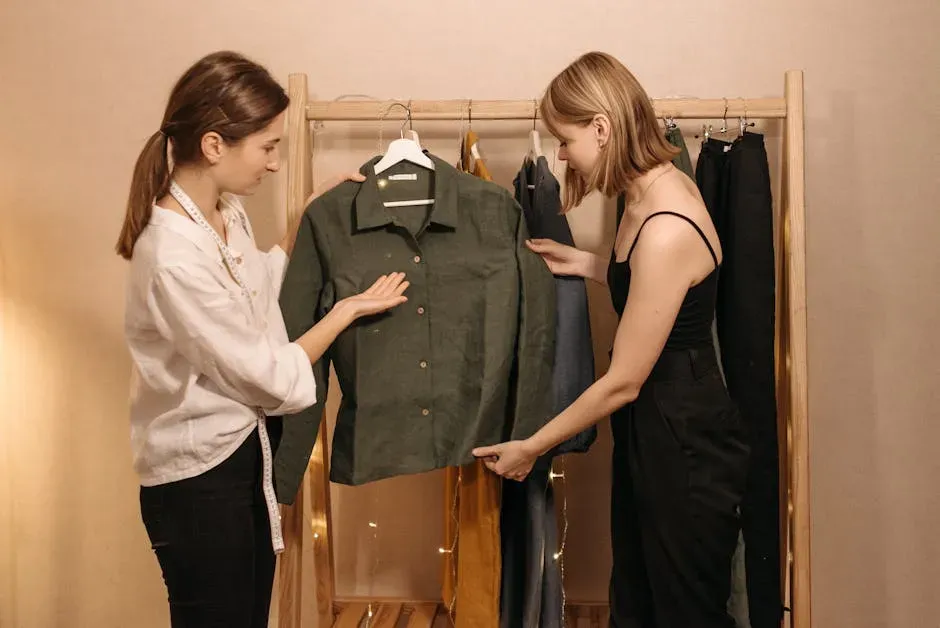
Quiet luxury demands superior construction. Garments feature hand-finished seams and breathable weaves. These elevate basics beyond mass-market options.
High-income US shoppers favor this durability. A McKinsey survey found over 60% opting for quality over quantity.[2] They invest in items that last decades.
Sustainability in the Mix

Many quiet brands use ethical sourcing and slow production. This resonates with eco-conscious elites. Timeless designs reduce waste from trend cycles.
North American growth ties to these values. Buyers seek transparency in supply chains. The trend merges luxury with responsibility.
Plain tees from such labels often feature organic cottons. They align with broader wellness priorities. Longevity cuts environmental impact.
American Consumer Shift
US high-net-worth individuals drive North America’s fast growth in quiet aesthetics. The market there outpaces others regionally.[5] Economic caution amplifies preference for enduring buys.
Tech leaders and executives lead adoption. They value wardrobes signaling stability. This marks a cultural pivot from bling.
Evolving Into 2026
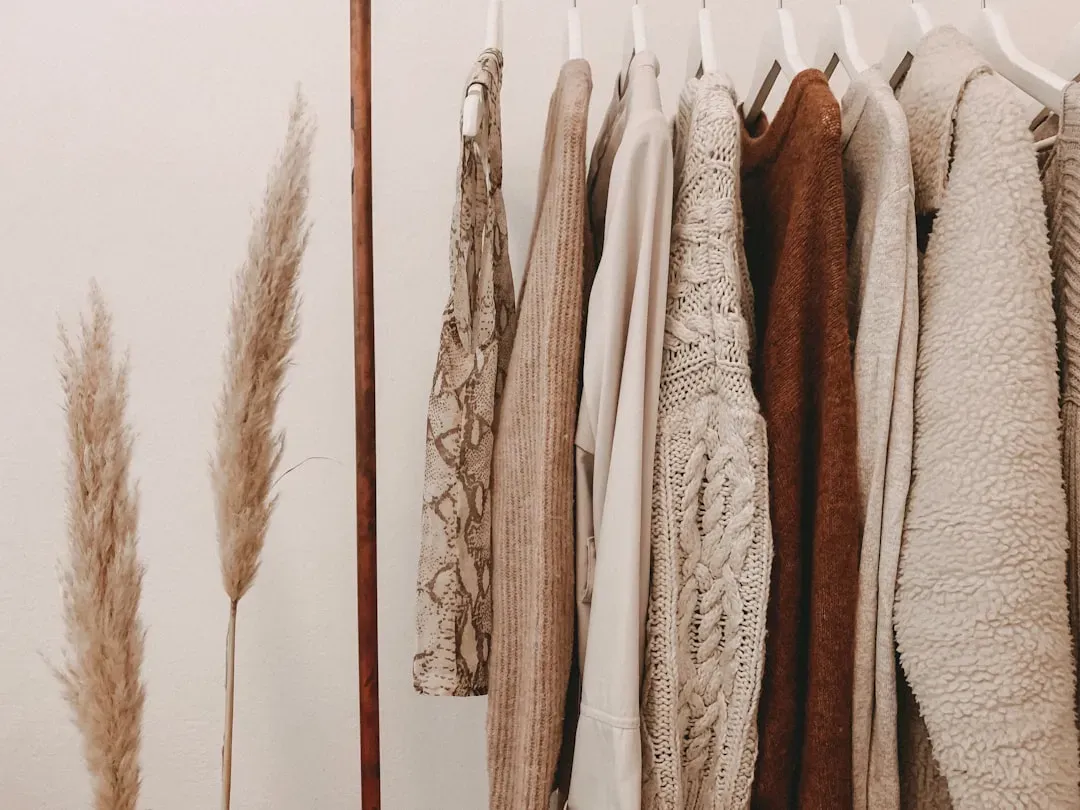
While some bold styles emerge, sleek minimalism persists. Lyst notes clean designs endure post-peak quiet luxury.[6] Projections show continued expansion.
Wealthy Americans likely sustain the swap. Practicality meets prestige here. The plain tee endures as a quiet triumph.
In a noisy world, this restraint feels refreshing. It reminds us wealth whispers loudest.