Most homeowners don’t think about pests until they’re already dealing with one. A strange scratch in the wall at night, a cluster of tiny wings near the windowsill, a faint musty smell in the basement – these are the kinds of subtle signals that get ignored until the problem spirals into something much more costly and stressful.
Here’s the thing: pest problems in the United States are not getting smaller. They’re growing, shifting geographically, and becoming more persistent. The good news? Knowing what to look for – and when to act – can save you thousands of dollars and a whole lot of grief. Let’s dive in.
1. Rodents: The Winter Invaders You Never See Coming
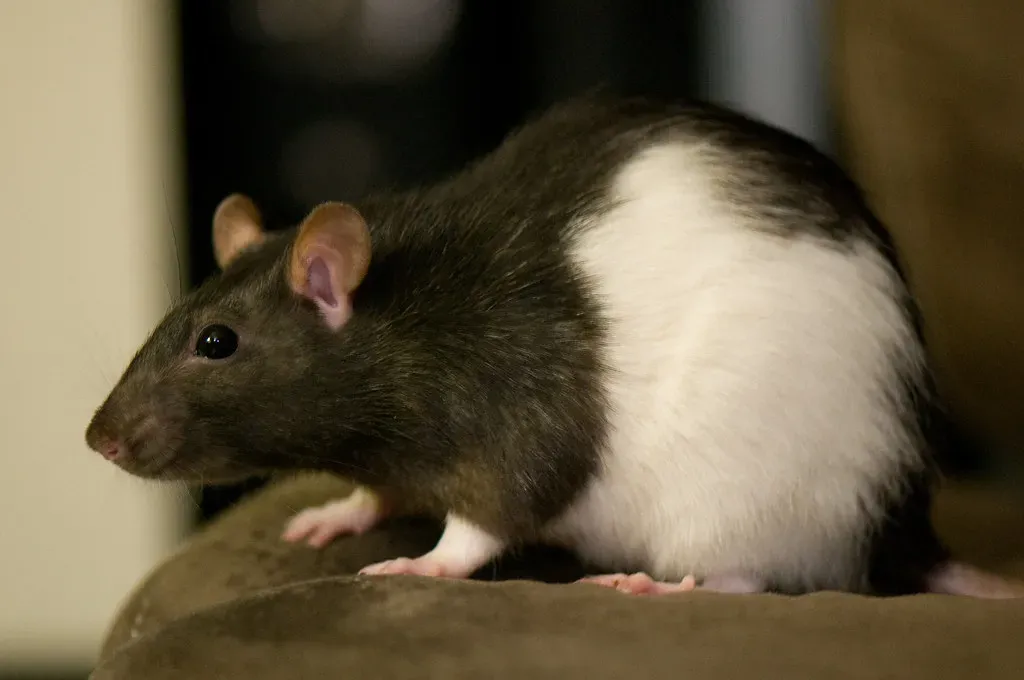
Honestly, rodents might be the most underestimated threat in American homes. According to the National Pest Management Association (NPMA), rodents alone invade an estimated 21 million homes in the U.S. each winter. That’s not a typo – 21 million homes, every single year.
Rodents can enter homes through incredibly small openings: mice can squeeze through holes as small as a dime, while rats can fit through spaces the size of a quarter. Signs to watch for include gnaw marks on wood or wiring, droppings along walls or in pantry corners, and greasy rub marks along baseboards.
Mice and rats spread diseases like Salmonella and Hantavirus when they contaminate food, and they also bring fleas, ticks, and lice indoors. Rodents can also cause serious structural damage by chewing through wood and electrical wiring. To protect your home, seal cracks in foundations, gaps around utility lines, and spaces under doors with weather-resistant caulking or steel wool.
2. Termites: The Silent Destroyers of American Homes
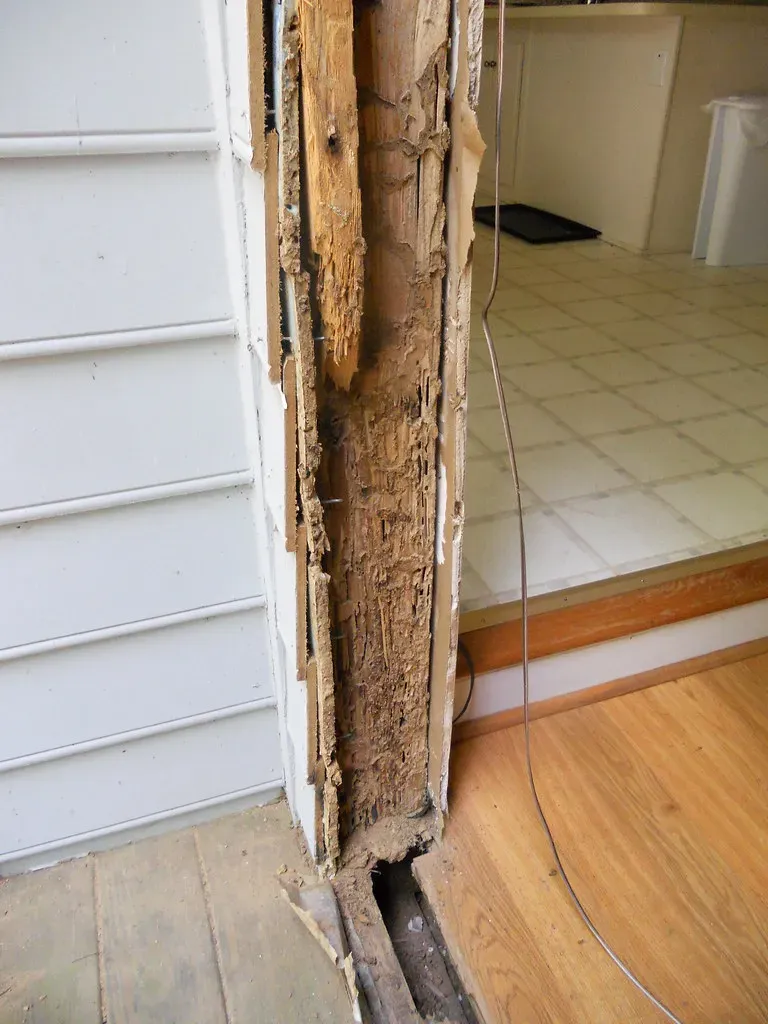
There’s a reason pest professionals call termites “silent destroyers.” They can cause extensive damage to homes and buildings before their presence is even noticed, feeding on wood and weakening the structural integrity of a property over time. By the time you see visible damage, they’ve often been working on your home for months, sometimes years.
Spring marks the start of termite season nationwide. These pests are responsible for an estimated $6.8 billion in property damage each year – costs not usually covered by homeowners’ insurance. That alone should be enough to make any homeowner pay attention.
Identification is key. Be on alert for swarmers (winged, reproductive termites) and the discarded wings they leave behind, both of which are visible signs that a colony may be setting up shop nearby and could signal an active infestation. There is also mounting evidence that termites are expanding their territory to include areas and regions that were previously inhospitable, with climate change being a primary driving force behind this phenomenon.
3. Cockroaches: More Dangerous Than They Look
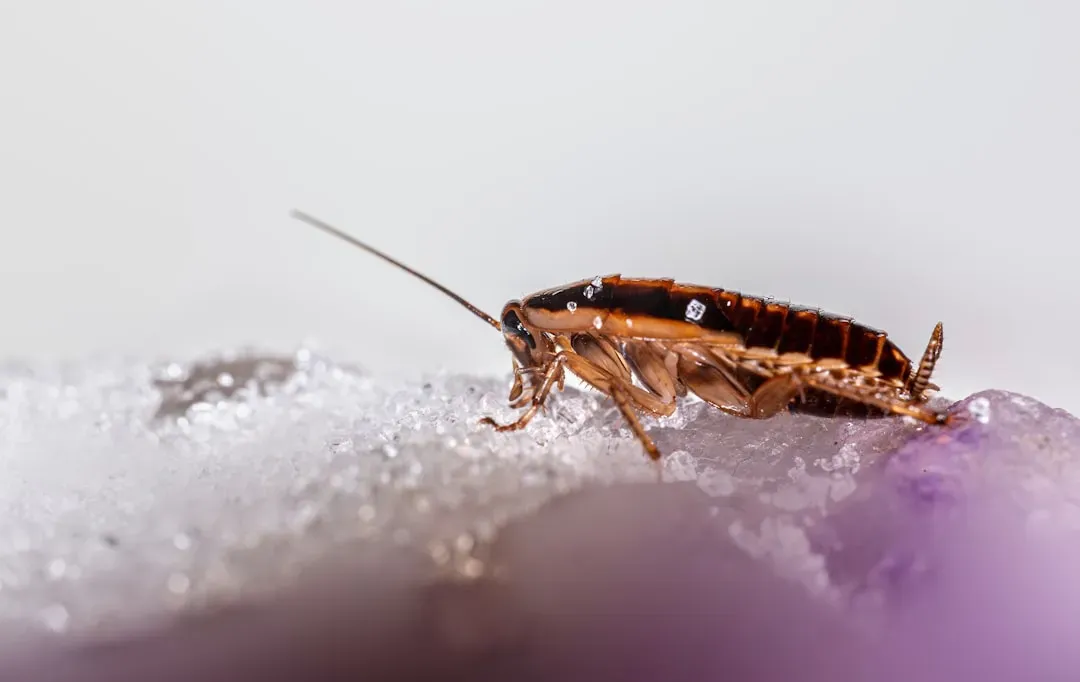
Most people are disgusted by cockroaches. Fewer people realize just how medically significant they actually are. About 4,000 species of cockroaches have been identified, though only four varieties are commonly encountered in American households. Cockroaches carry about 30 different types of pathogens that can be harmful to humans.
The health implications are real and well-documented. Cockroaches contaminate food sources and can trigger asthma attacks in children. Public health researchers have long linked cockroach allergens to worsening respiratory symptoms, particularly in urban and lower-income housing where infestations tend to be most concentrated.
Increased warmth and humidity allow cockroaches to thrive, making infestations more frequent, especially in urban areas. Look for droppings that resemble black pepper flakes, a musty or oily odor in kitchen cabinets, and egg casings behind appliances. Prevention starts with eliminating moisture sources – fix leaky pipes and don’t leave standing water anywhere in the kitchen.
4. Bed Bugs: The Hitchhiker Pest Making a Comeback
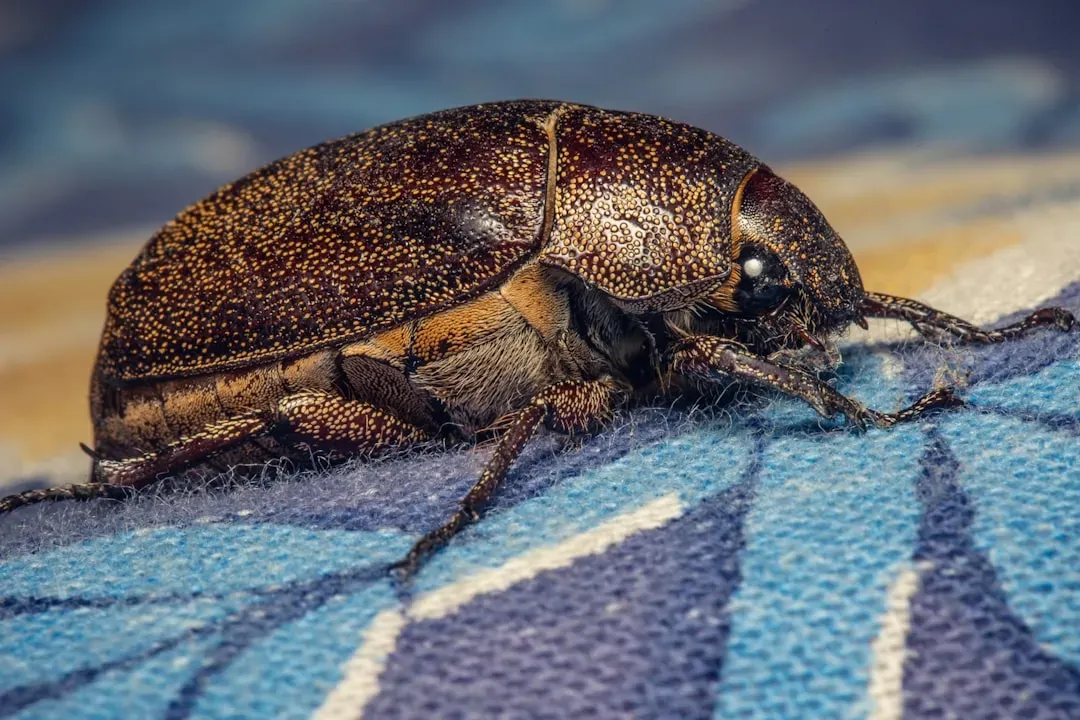
If you’ve ever brought home a suitcase from a hotel stay only to spend the next week itching, you know exactly how unwelcome bed bugs can be. Bed bugs have been found in TVs, school buses, and hospital operating rooms, and homeowners frequently misidentify them. That’s a startling range of hiding places for a pest most people assume only lives in mattresses.
More than 600,000 homes face termite infestations each year, and in low-income apartments across four New Jersey cities, bed bug infestation rates vary dramatically, ranging from 3.8% to 29.5%, with an overall infestation rate standing at roughly one in eight units. Bed bug complaints increased in several major U.S. cities in 2023 and 2024, reflecting rising travel and urban density trends.
To identify them, inspect mattress seams, headboards, and behind electrical outlet covers for small brown insects, tiny blood stains, or dark fecal spots. Traveling? Be sure to keep an eye out for bed bugs and use a pest guide to help identify this pest. Wash and heat-dry all luggage contents after any trip, and never place bags directly on hotel carpets or beds.
5. Ants: The Most Common Pest in U.S. Homes
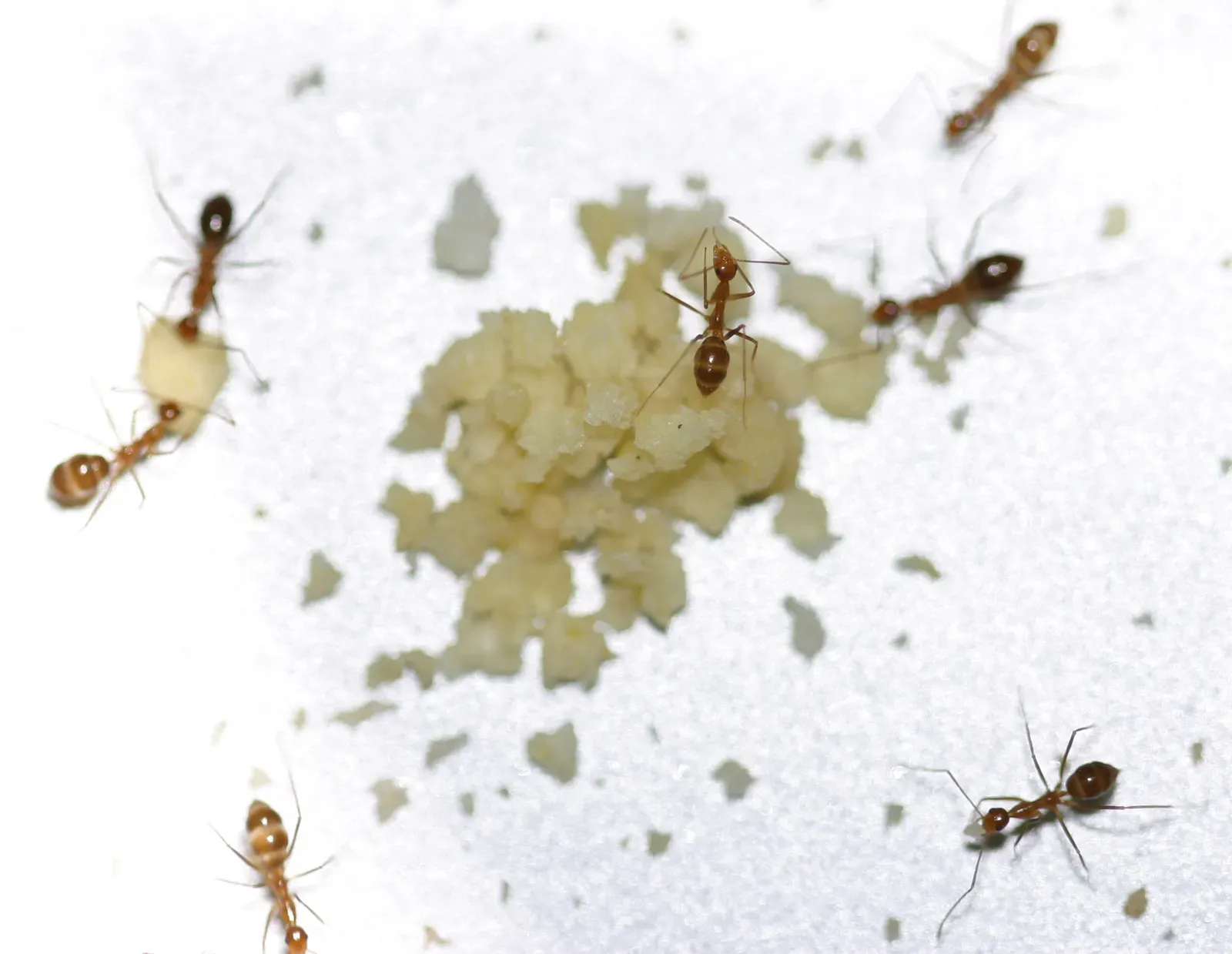
Let’s be real – almost every American homeowner has dealt with ants at some point. Across the United States, ants top the list of reported pests, with more than half of all households experiencing infestations. They seem harmless, and in many ways they are. Still, certain species can cause structural damage, contaminate food, and be incredibly difficult to eliminate once established.
About half of American households will have an ant problem each year, making ants the most common pest in the country. Of treated ant infestations, nearly two thirds were caused by the odorous house ant. You’ll typically identify them by visible trails along countertops, baseboards, or near food sources, often appearing after rain drives them indoors looking for drier ground.
Modern prevention focuses on eliminating what draws ants inside in the first place. NPMA experts recommend keeping kitchens clean, storing food in airtight containers, and lifting boxes off the floor to avoid creating hiding spots for pests. Sealing entry points around windows, pipes, and door frames makes a dramatic difference, especially in warmer months when ant colonies are at peak activity.
6. Ticks: A Growing Outdoor Threat Creeping Closer to Home
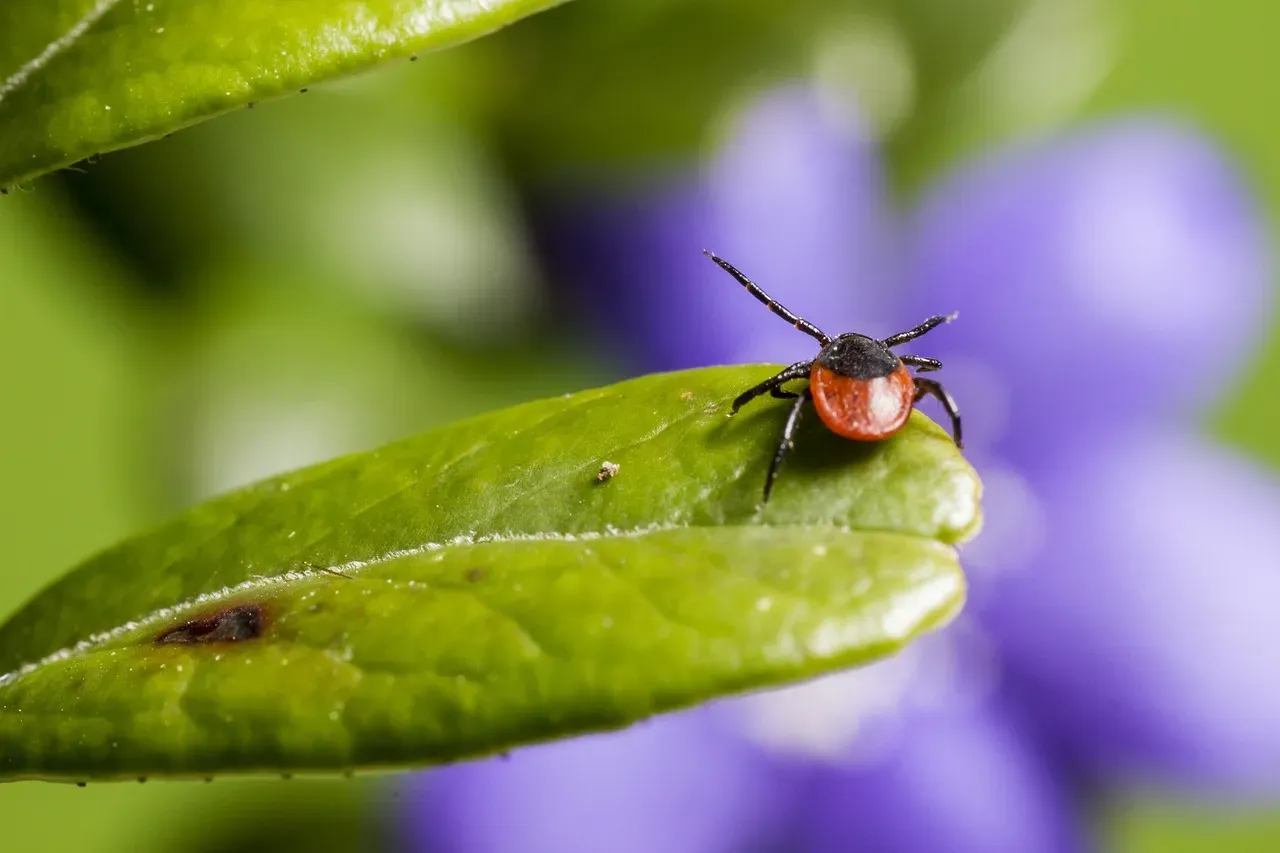
Ticks have been crowned the National Pest Management Association’s 2025 Pest of the Year as emergency room visits hit a five-year high. That’s not a headline most people expected – and it’s a signal that tick-related illness in the U.S. is no longer just a camping concern.
Ticks live in every state, but tick-borne diseases occur most frequently in the Northeast, Mid-Atlantic, and Upper Midwest. Milder winters and longer warm seasons allow ticks to stay active year-round, and as a result, tick-borne diseases like Lyme disease are spreading to new regions and becoming more prevalent.
Keep ticks away from your home by maintaining a clear boundary between your lawn and any wooded or brush-filled areas. Remove sources of standing water in and around the home, fix leaky pipes and clogged drains, and seal entry points such as cracks or gaps where plumbing pipes and utility lines enter the structure. Keep grass trimmed short, and check yourself and pets thoroughly after any time outdoors.
7. Mosquitoes: Not Just a Summer Nuisance
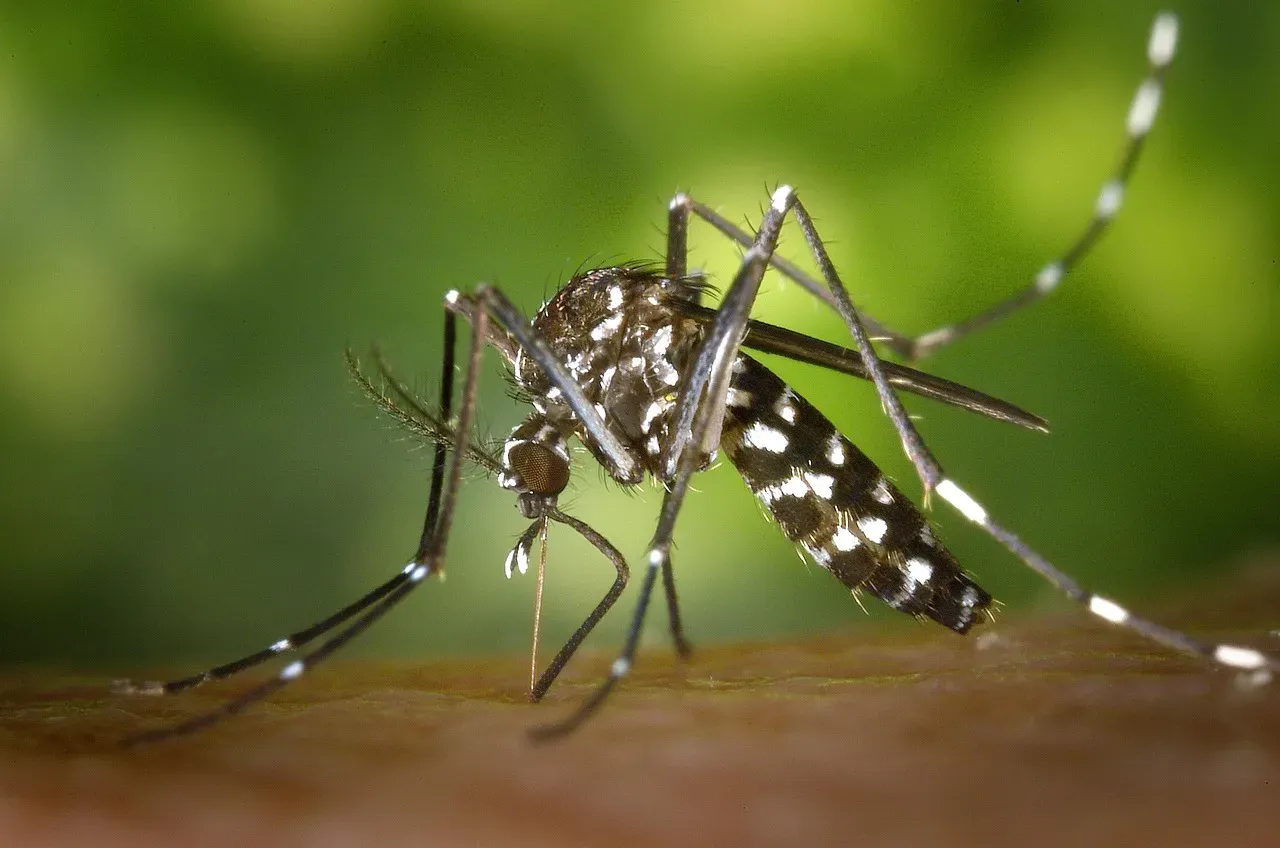
Mosquitoes have long been written off as an annoying fact of summer life. That framing is dangerously casual. Recent devastating floods in the Central and Southeastern U.S. have created ideal breeding conditions for mosquitoes, which can pose serious health risks, as mosquitoes carry numerous diseases. West Nile virus, dengue, and other vector-borne illnesses are all on the public health radar.
With warmer-than-normal temperatures expected to continue, NPMA pest experts anticipate tick and mosquito populations will remain active through the fall season. That’s a significant shift from historical patterns where a hard frost would reliably knock populations back. More rainfall and flooding create ideal breeding grounds for pests like mosquitoes and ants, as stagnant water from storms and floods provides abundant places for insects to lay eggs.
Elimination of standing water is your single most powerful defense. Think beyond birdbaths – check clogged gutters, flower pot saucers, children’s toys left outside, and tarps that collect rainwater. Clear all gutters and downspouts of debris, as water accumulation provides ideal conditions for pests to breed. Even a bottle cap with a few tablespoons of stagnant water can host mosquito larvae.
8. Integrated Pest Management: The Smarter Way to Prevent Infestations
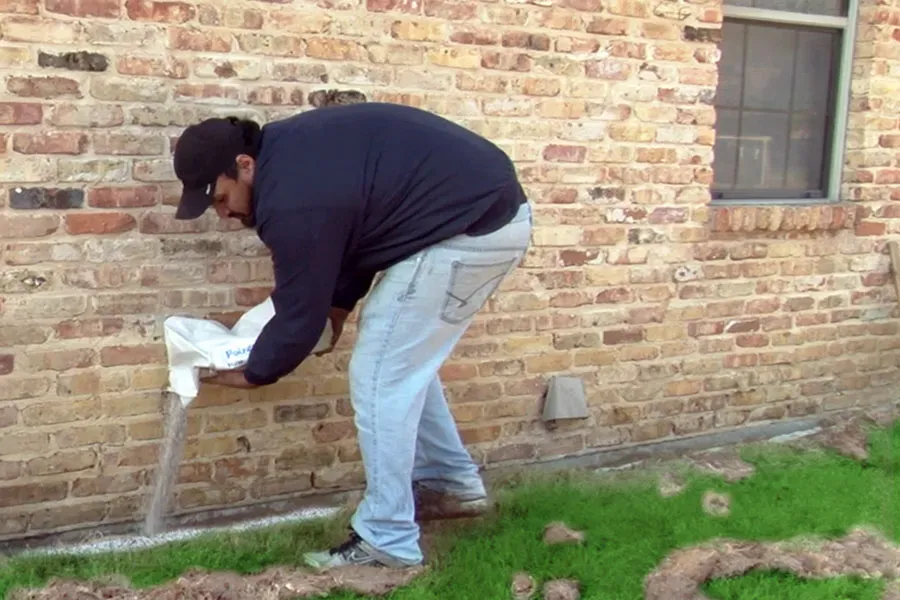
Here’s something that doesn’t get talked about enough – the old approach of reaching for a spray can every time you see a bug is ineffective and potentially harmful. Integrated Pest Management (IPM) is increasingly popular due to its sustainable and eco-friendly approach, employing data on pest life cycles and environmental interactions, focusing on long-term prevention through monitoring and targeted interventions, and reducing reliance on reactive pesticide applications.
IPM works like a layered defense system. Think of it like securing a house: you don’t just lock one door and hope for the best – you lock every window, check every vent, and remove anything that would attract a burglar in the first place. No single pest control method succeeds by itself. The most effective strategy combines multiple tactics such as sanitation, traps, exclusion, limited pesticides, and natural deterrents. Identifying the specific pest species first, then targeting treatments, delivers maximum impact.
The Consumer Product Safety Commission also advises careful use of pesticides indoors, strongly encouraging homeowners to follow label instructions to reduce health risks. When managing pest infestation, using pesticides safely and correctly is critical. Try low-risk pesticides first before going for strong ones.
9. Moisture and Ventilation: The Overlooked Prevention Strategy

I think this is genuinely one of the most underestimated factors in home pest control. Most pests don’t just want food – they want moisture. Cockroaches, silverfish, centipedes, termites, and even rodents are all drawn to damp, poorly ventilated spaces. It’s hard to say for sure which single prevention strategy matters most, but moisture control is consistently near the top of expert recommendations.
The U.S. Department of Housing and Urban Development has emphasized that moisture control and proper ventilation significantly reduce pest infestations in residential buildings. Addressing leaks, improving drainage, and reducing standing water minimizes breeding grounds for mosquitoes, ants, and termites. That’s three major pest categories addressed with one simple home improvement habit.
States like Wisconsin, Michigan, and upstate New York reported increased pest populations in 2024 due to a milder winter and higher precipitation. For pests that have made their way inside the home, reducing moisture and sealing entry points are the first lines of defense. Pay special attention to basements, crawlspaces, and areas around HVAC units where condensation tends to collect.
10. Sealing Entry Points: The Most Cost-Effective Step You Can Take Today
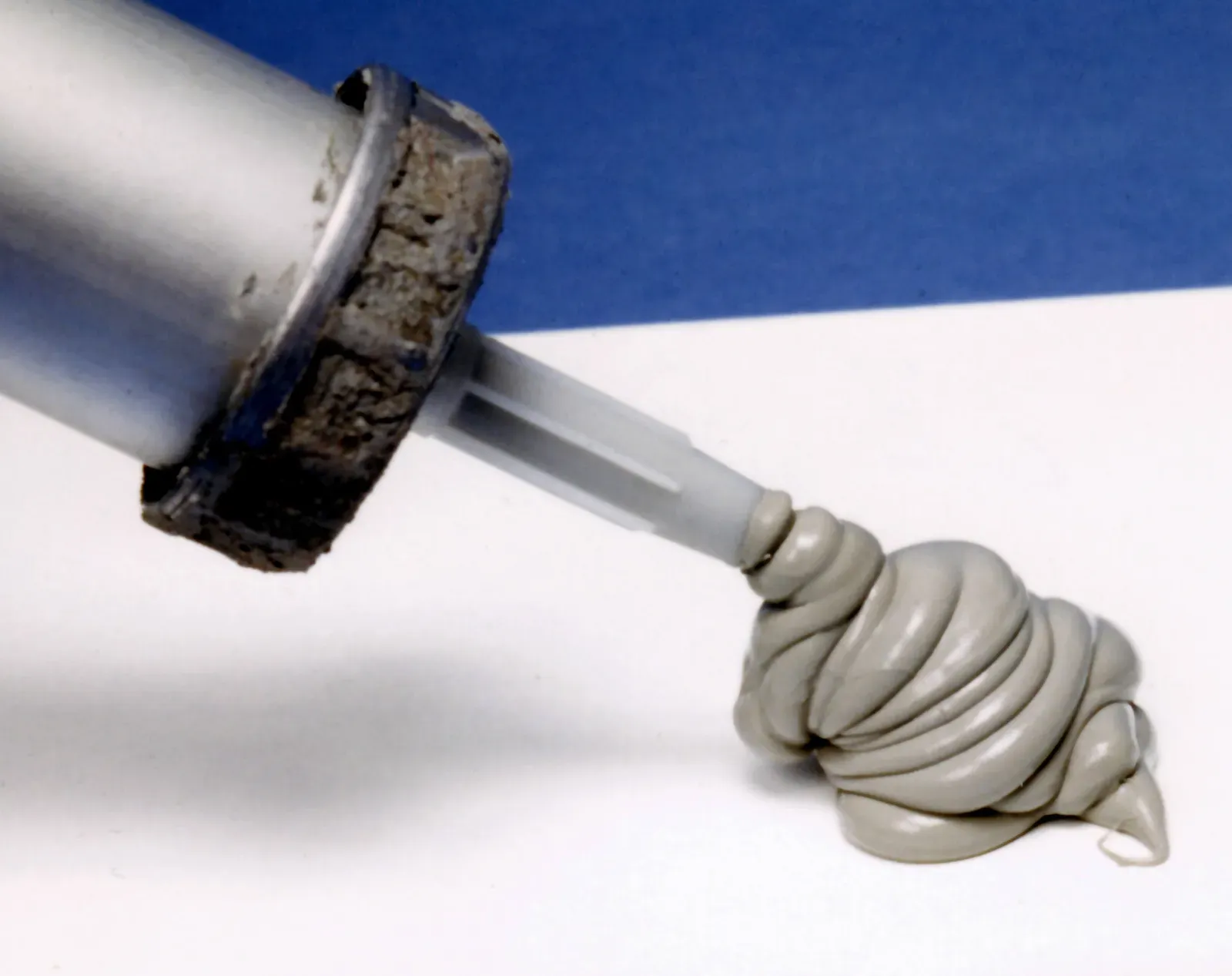
If there’s one action that experts keep returning to across every pest category, it’s this: seal your home. A 2024 housing maintenance survey found that sealing cracks and gaps is among the most cost-effective pest prevention measures available to homeowners. The cost of a tube of caulk is nothing compared to a termite treatment or rodent remediation job.
Check around foundations, roofs, water pipes, vents, and utility cables for openings. Seal exterior cracks and holes larger than one quarter inch with wire mesh, steel wool, sheet metal, or concrete. Rodents can chew through caulk, expanding foam, plastic, wood, and other soft materials. Make sure all exterior doors and windows fit tightly.
NPMA experts also recommend storing food in airtight containers, keeping kitchens clean, and repairing torn screens. Homeowners should eliminate standing water and cut back overgrown grass around their property. These steps sound simple – almost too simple. Yet most homeowners skip them entirely until a problem forces their hand. Once a current infestation is under control, take steps to prevent future pest invasions. With diligent prevention, monitoring, and properly timed targeted treatments as needed, you can keep household pests at bay and protect your home from the damage they cause.