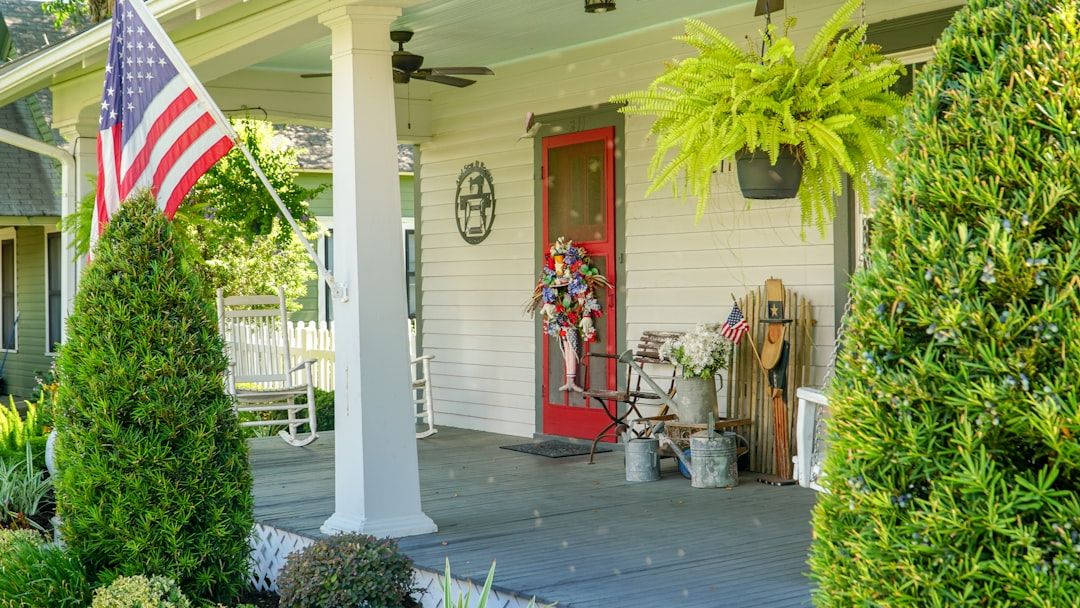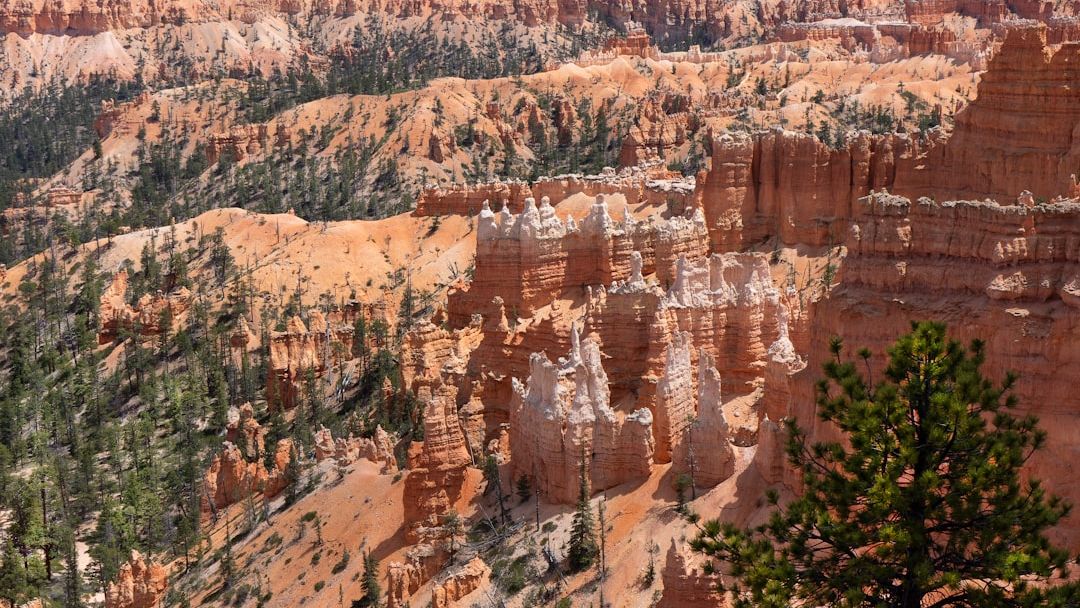

Deep in southwest Georgia sits Providence Canyon State Park, a striking landscape that draws hikers and nature lovers from across the region. Known as Georgia’s Little Grand Canyon, its dramatic gullies plunge up to 150 feet, revealing layers of colorful soil that rival any natural wonder. While the Arizona icon overwhelms with scale, this spot offers intimate views and solitude.
Visitors often arrive expecting a quick overlook, only to spend hours exploring trails that weave through vibrant canyons. Social media buzz has spotlighted it as a hidden gem, especially in recent years.[1][2]
Stunning Geological Formations
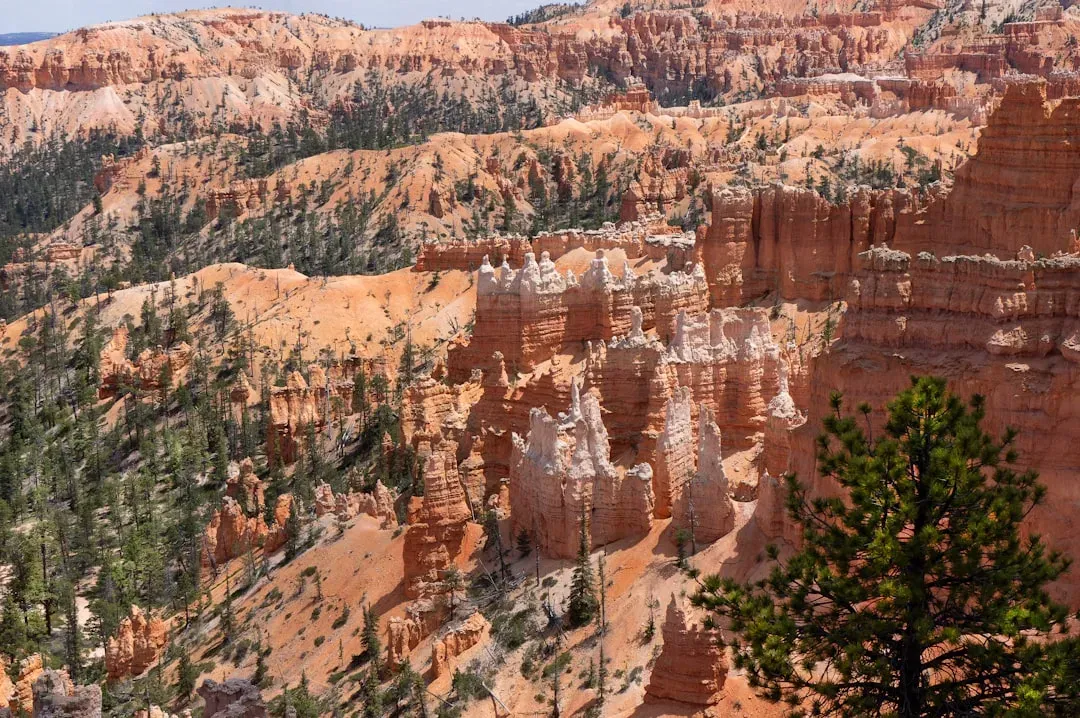
The park spans 2,706 acres of rugged terrain carved by erosion into multiple chasms and plateaus. Towering cliffs expose a palette of pink, orange, red, and purple soils, creating a surreal backdrop unlike typical Georgia forests. These formations formed rapidly compared to ancient canyons elsewhere.
Hikers peer down from rim overlooks, where fences protect the fragile edges. The sheer depth surprises first-timers, who snap photos of the layered earth glowing in sunlight. Stay on paths to avoid contributing to further wear.[1][3]
A Unique Man-Made Origin Story
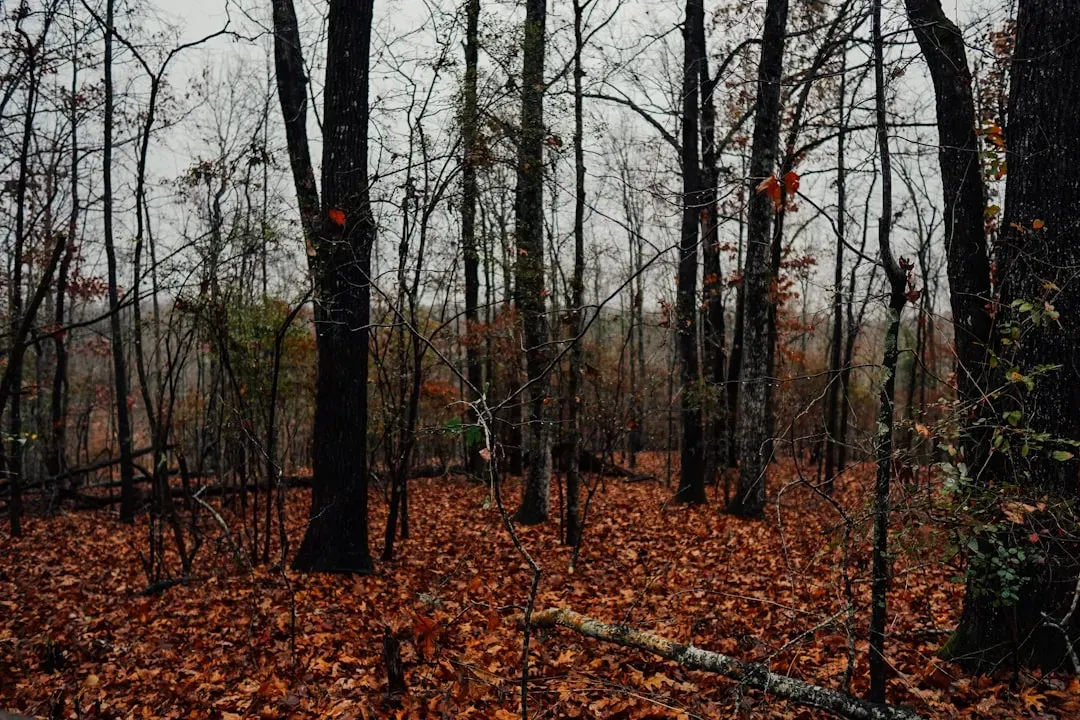
Unlike river-carved giants, Providence Canyon emerged from poor farming practices in the early 1800s. Settlers cleared land and plowed hillsides, leading to massive gullies from rainwater runoff. By the mid-19th century, erosion had deepened them dramatically.
This accidental creation serves as a stark lesson in land management. The state preserved it as a park to highlight human impact on nature. Today, signs educate visitors on the history behind the spectacle.[1][3]
How It Stacks Up to the Grand Canyon
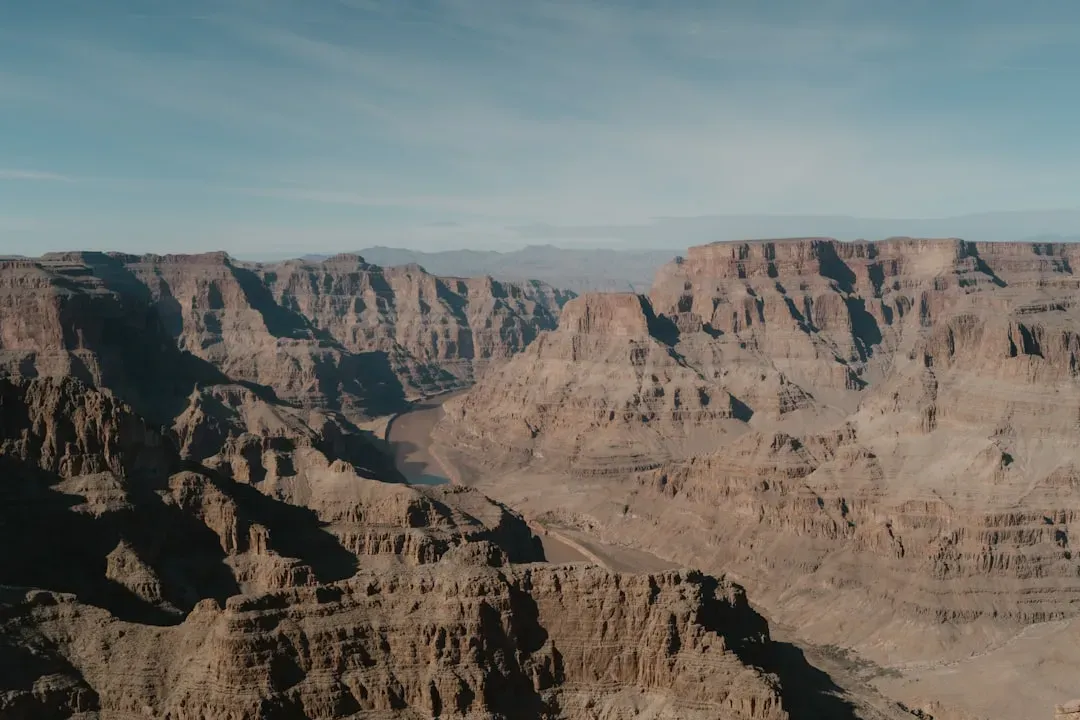
Georgia’s version offers vivid colors and overlooks without the multi-million crowds of its Arizona namesake. Grand Canyon saw over 4.9 million visitors in 2024, while Providence welcomed 339,594 the same year. Scale differs, but the layered drama feels familiar on a quieter scale.
No vast river runs through here; instead, creek beds wind at the base. Both showcase erosion’s power, though timelines vary wildly. Providence delivers big views in a compact package.[4][5]
The Canyon Loop Trail Essentials
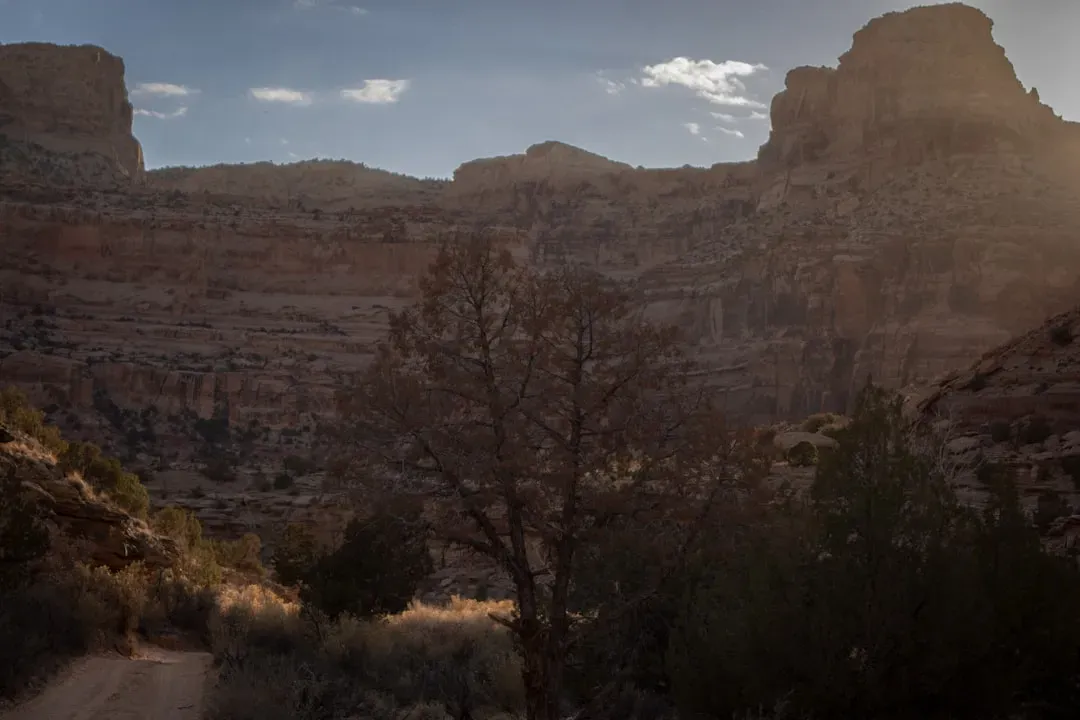
This 2.5-mile white-blazed path circles nine canyons, starting from the visitor center. Descend into creek beds for floor-level views, then backtrack up each gully. Rated easy to moderate, it takes about two hours with stops.
Follow the fence line on rims for safe panoramas. Muddy spots demand sturdy shoes, as sides mimic quicksand. It’s the park’s top-rated hike at 4.7 stars from thousands of reviews.[6][7]
Vibrant Colors and Rare Flora
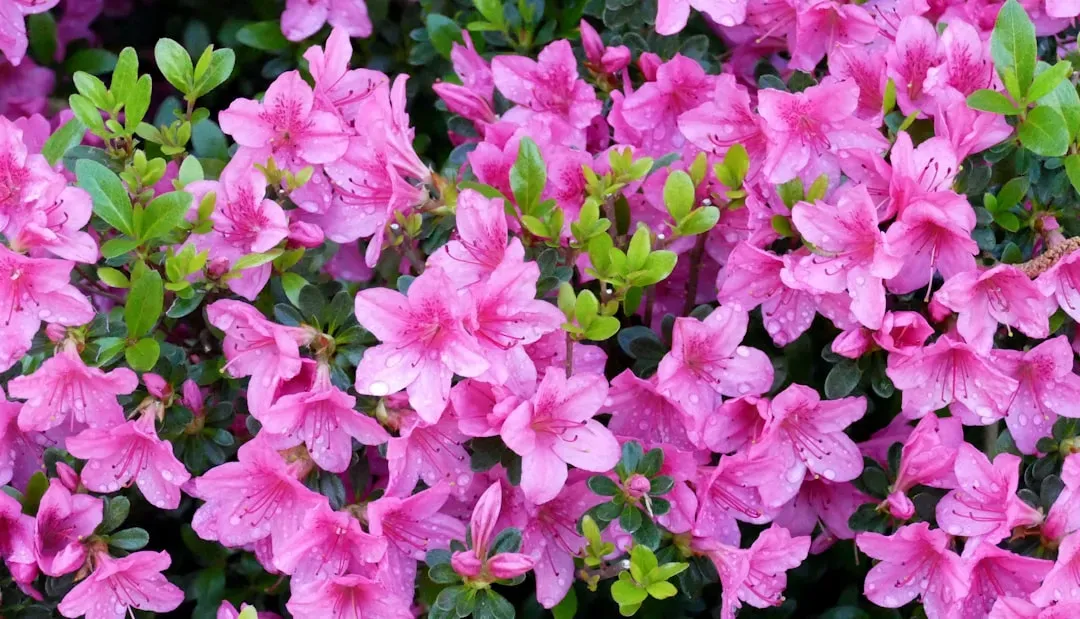
Exposed soils shift hues with light, from fiery reds to soft purples. Rare plumleaf azalea blooms in July and August, thriving in the canyon’s microclimate. These late-summer flowers add fleeting beauty to the scene.
Wildflowers dot springs, alongside dogwoods and persimmons. The unique environment supports disjunct species not common elsewhere in Georgia. Photographers chase these displays year-round.[1][8]
Advanced Backcountry Adventures
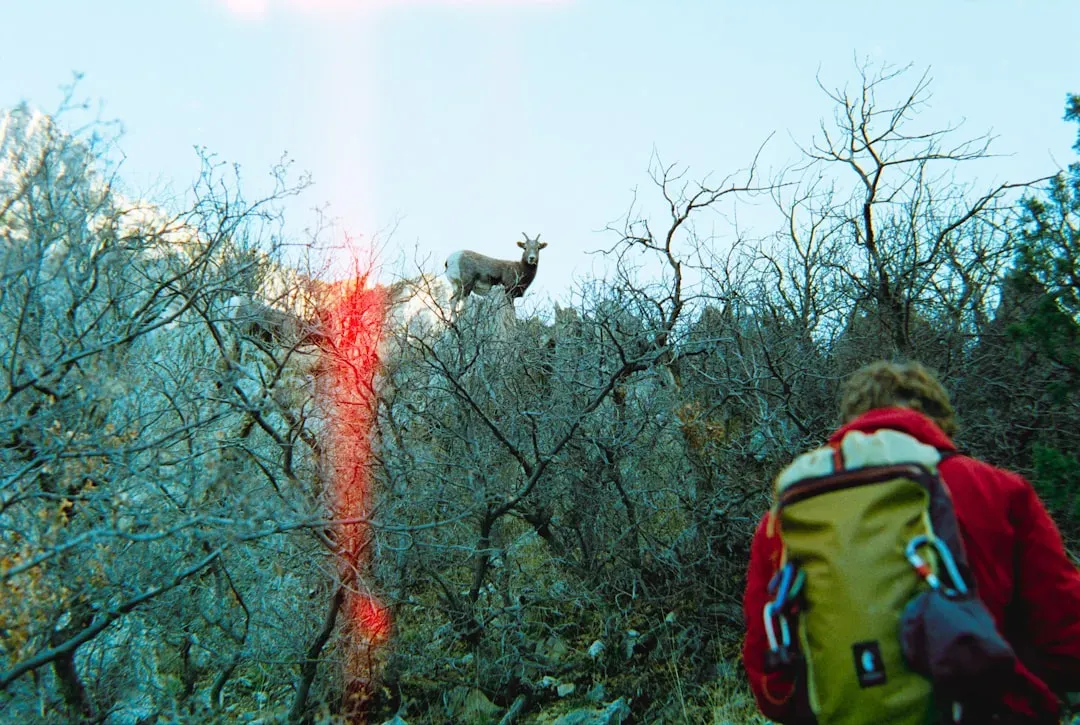
The 7-mile red-blazed Backcountry Trail loops through forests and past primitive campsites. It starts easy amid river birches, then turns rugged with steep climbs. Plan six hours or more for the full circuit.
View additional canyons from afar, inaccessible from below. Shortcuts shave distance near site two. This path suits experienced hikers seeking immersion.[6]
Growing Popularity on Social Media
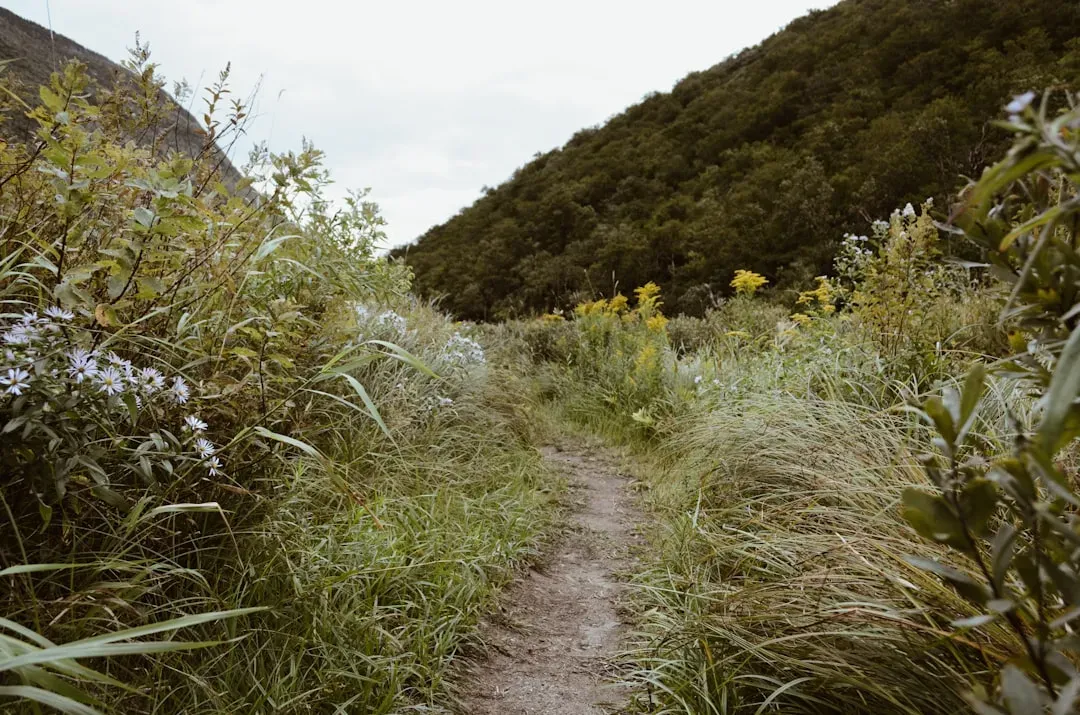
TikTok videos and posts have thrust the park into bucket lists for 2025 and beyond. Travelers share jaw-dropping hikes, calling it an underrated gem. Reviews praise the wow factor close to home.
Steady visitation reflects word-of-mouth appeal. Families and solo adventurers alike fill trails on weekends. Its rise feels organic amid post-pandemic outdoor booms.[9][10]
Recent Expansions and Festivals
In 2023, the park grew with new tracts like Double Rails and Aurum. This added protected land around the core canyons. Expansions enhance backcountry access.
The first Plum Leaf Azalea Festival arrived in July 2025, drawing crowds for rare blooms. State awards recognized staff in 2026. These updates signal ongoing investment.[11][12]
Overnight Stays and Facilities
Six backcountry sites line the trail for backpackers, reachable by foot. Pioneer campsites offer basic setups near the center. No drive-up RV spots, but nearby Florence Marina provides options.
Picnic shelters, a playground, and museum round out amenities. A $5 daily ParkPass covers vehicles. Arrive early for day-use parking.[1][13]
Practical Visiting Tips
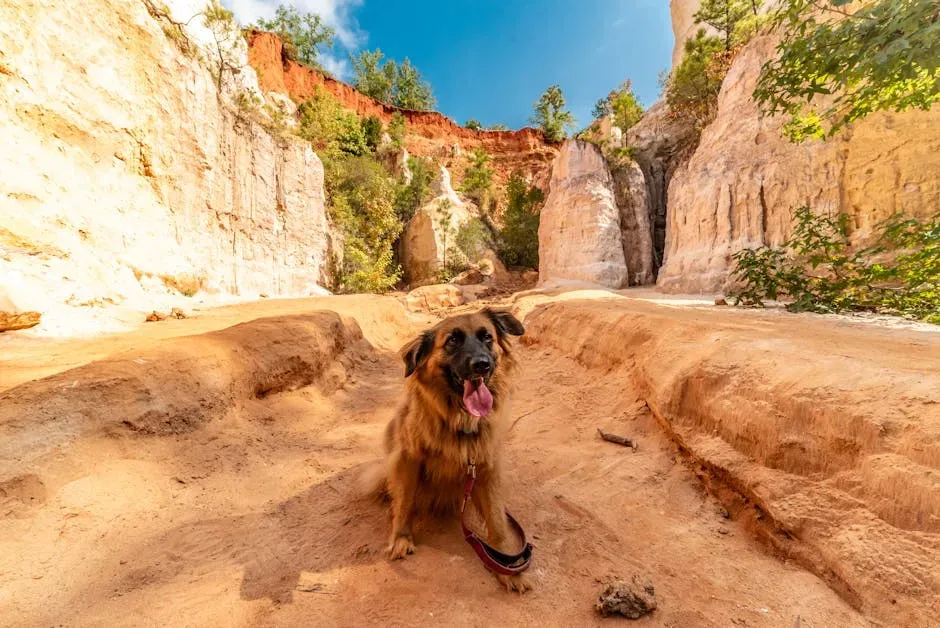
Park opens at 7 a.m.; visitor center from 8 to 5. Leash dogs and ban climbing to protect walls. Check weather, as rain slicks trails.
Bring water, snacks, and bug spray for forests. Fees apply for shelters or camping. Combine with nearby sites for a full weekend.[1]
Providence Canyon proves you don’t need vast expanses for lasting impact. Its blend of beauty, history, and accessibility makes it a smart swap for overcrowded icons. Next trip south, let Georgia’s canyons redefine your horizons.