
In the summer of 1976, a 32-ounce fountain drink cup quietly reshaped how Americans quenched their thirst. What started as a simple idea at 7-Eleven stores caught on fast, turning convenience stops into soda oases. This oversized sip marked the dawn of supersized beverages in everyday life.
Over decades, the Big Gulp grew from a novelty to a symbol of abundance. It influenced everything from car designs to public health debates. Even today, its legacy lingers in our cup holders and cravings.
The Spark in Southern California
Dennis Potts, a 7-Eleven merchandise manager in Southern California during the 1970s, pushed for larger drink cups. Coca-Cola reps suggested 32-ounce sizes, bigger than McDonald’s 20-ounce options at the time.[1][2] Potts tested the idea in a few stores, and sales took off. By 1979, soft drink machines appeared in all 7-Eleven locations nationwide.[3]
The Big Gulp debuted officially that year as the largest drink available anywhere. It priced low, around 59 cents, making value the big draw. This move tapped into a growing car culture where drivers wanted refills that lasted entire trips.
Instant Sales Surge
Right after launch, 7-Eleven saw soda sales double almost overnight.[4] Customers lined up for the novelty of hauling away a quart of fizz. The cup’s wide mouth and handle made it easy to grip, perfect for on-the-go lifestyles.
Word spread through Southern California first, then across the U.S. Teens and road trippers made it a ritual. By the early 1980s, Big Gulps dotted gas stations and late-night hangouts everywhere.
Size Wars Begin
In 1986, 7-Eleven upped the ante with the 44-ounce Super Big Gulp. Three years later came the 64-ounce Double Gulp.[5] These giants pushed boundaries, with the Double holding enough for two people.
Competitors followed suit. Fast-food chains expanded their large sizes to match. The race normalized drinks holding half a liter or more as standard.
Car Culture Connection
Big Gulps forced automakers to rethink cup holders. Standard sizes grew from small cylinders to fit 32 ounces and beyond.[5] Drive-thrus and highways became prime spots for these mega-sips.
America’s love for road trips fueled the trend. A single fill-up meant hours without stopping. This convenience bonded the drink to freedom and mobility.
Supersizing Takes Over Fast Food
McDonald’s and others inflated portions in response. By the 1990s, a large soda could top 40 ounces easily. The Big Gulp set the pace for value meals packed with liquid calories.
Before the 1970s, typical bottles held just 6.5 ounces. Sugary drinks jumped from 4 percent of calories to far more in daily diets.[6] Portion creep became the new normal.
Health Warnings Emerge
As obesity rates climbed, eyes turned to supersized sodas. Studies linked sugar-sweetened beverages to weight gain and related issues.[7] In the U.S., overweight adults rose from 47 percent in 1976-1980 to over 66 percent by 2005-2006.[8]
Nationally, 63 percent of adults reported daily sugary drink intake as of recent data.[9] Critics pointed to endless refills as a key factor in the epidemic.
Political Battles Brew
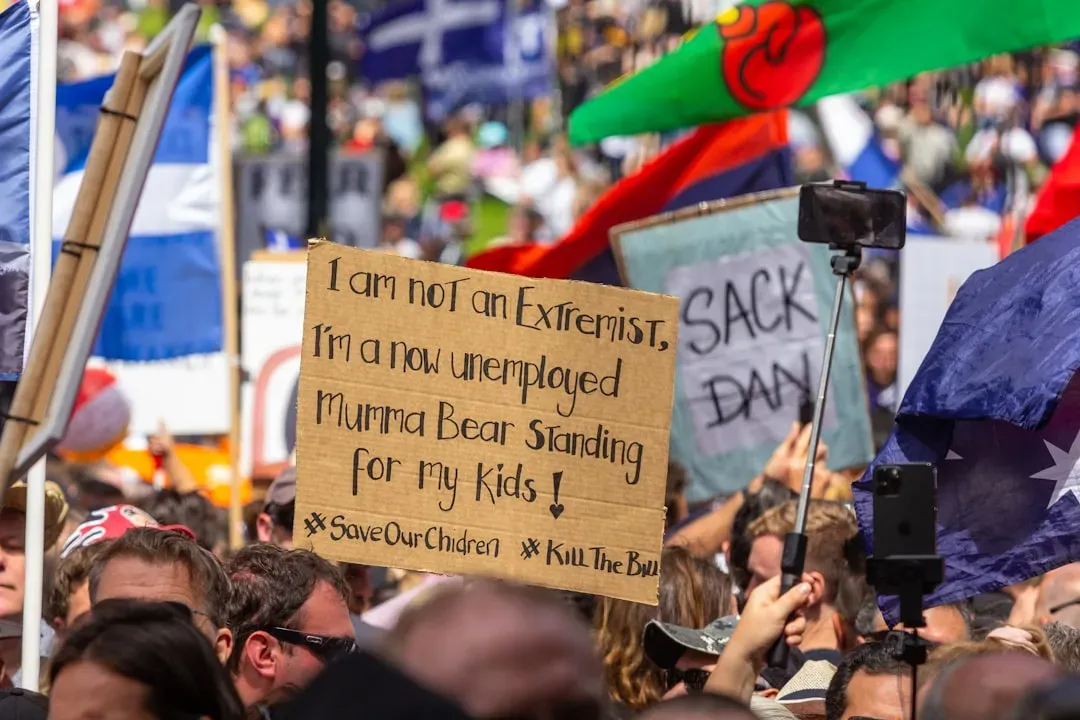
New York City’s 2012 soda ban targeted drinks over 16 ounces, dubbing it the “Big Gulp ban.” Courts struck it down amid backlash over personal choice. Similar efforts popped up elsewhere but faced resistance.
The debate highlighted tensions between health policy and consumer freedom. Big Gulps became a rallying cry for anti-nanny-state views. Vending machine removals in schools gained more traction.
Soda Consumption Peaks and Shifts
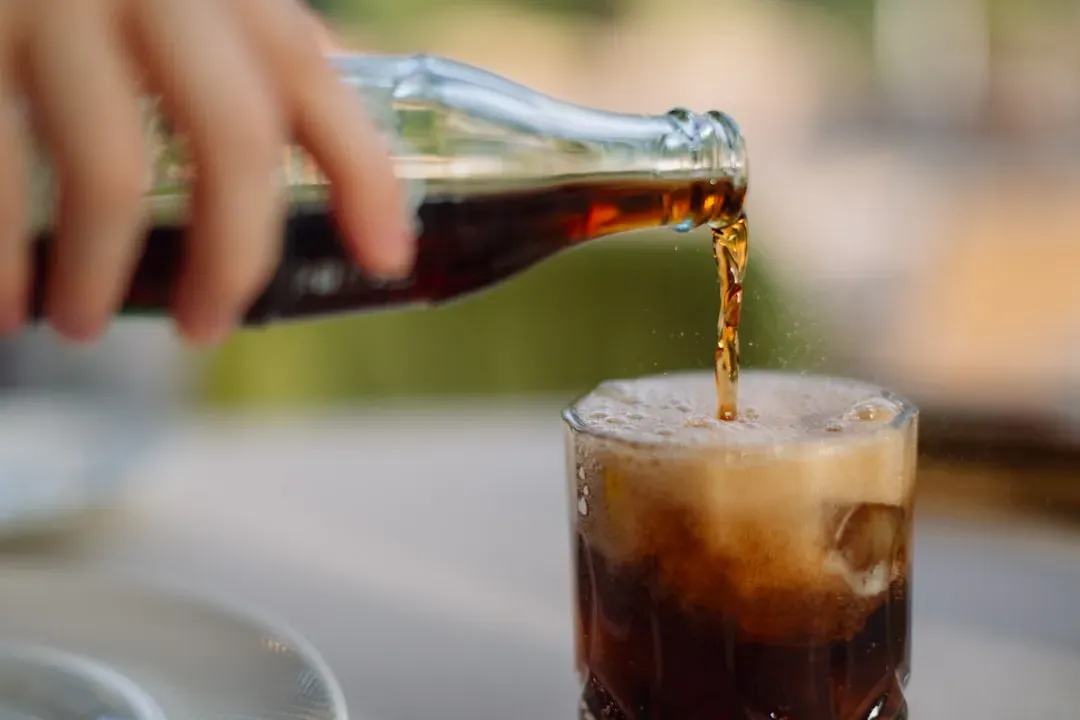
U.S. per capita soft drink intake hit about 41.9 gallons in 2025.[10] Carbonated beverages held steady at around $52 billion in sales that year.[11]
Yet trends leaned healthier, with functional drinks rising. Large sizes persisted, especially in convenience stores. Gen Z favored brands like Coke but sipped less overall.
Global Comparisons Highlight Excess
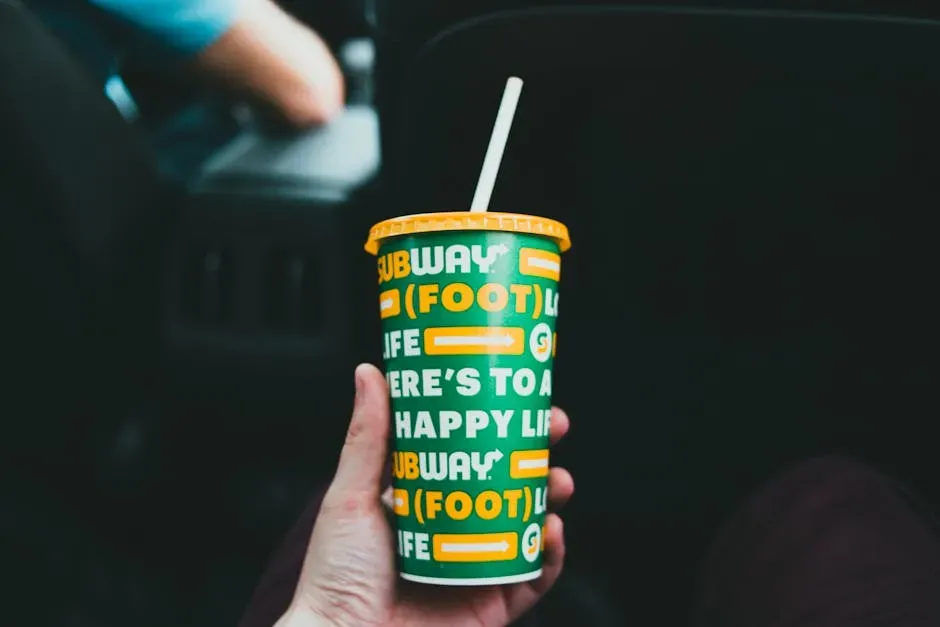
U.S. fast-food larges dwarf those abroad, often 50 to 89 percent bigger.[12] A typical American 32-ounce cup stuns visitors from Europe or Asia.
This scale reflects abundance culture post-World War II. Prosperity bred bigger everything, from homes to helpings. Drinks embodied that ethos most visibly.
Lasting Grip in 2026

Marking 50 years in 2026, the Big Gulp endures as a cultural icon.[13] 7-Eleven still offers massive options amid slimmer alternatives. Roadside grabs keep the tradition alive.
The obsession stems from value, convenience, and sheer fun. Even with awareness of downsides, the pull remains strong. In a fast world, that giant gulp offers a momentary escape.
From Potts’ brainstorm to today’s shelves, the Big Gulp mirrors America’s taste for more. It challenges us to balance indulgence with moderation. Next time you lift one, consider the half-century sip that’s shaped our habits.