
No Atmosphere Means No Wind or Weather Erosion
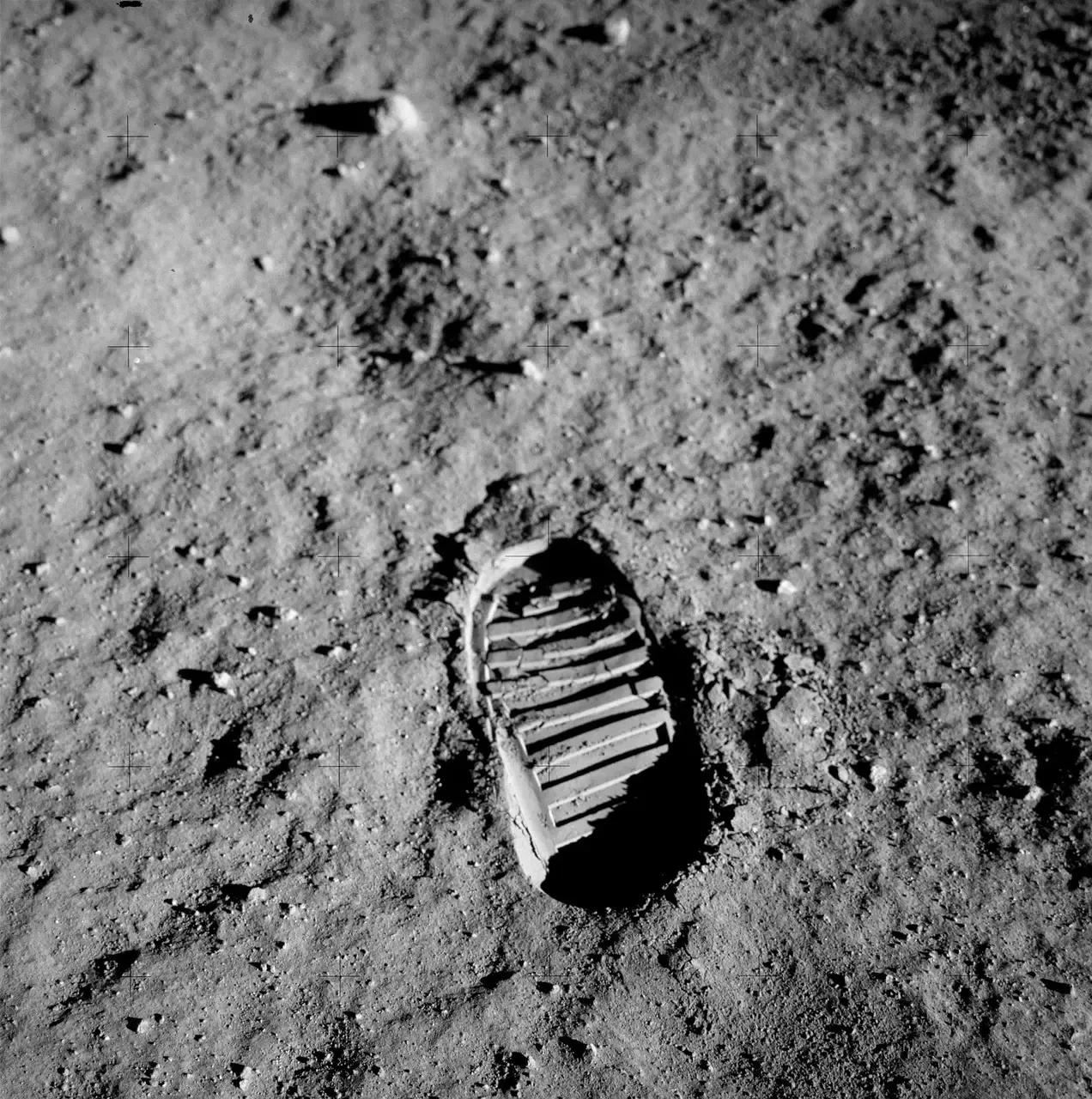
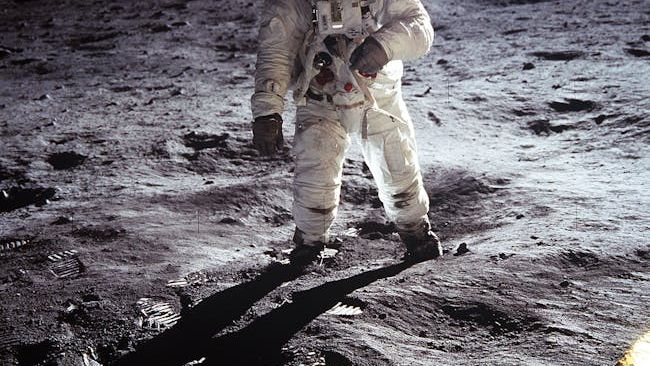
The Moon sits in the vacuum of space with virtually no atmosphere to speak of. This lack of air prevents any wind from blowing across the surface and smoothing out footprints over time. On Earth, constant breezes and storms reshape landscapes daily, but the lunar surface stays perfectly still in that regard. Astronauts’ boot prints from the Apollo missions remain crisp even after decades because nothing disturbs the fine dust particles. Temperatures swing wildly from about minus 173 degrees Celsius at night to 127 degrees during the day, yet these extremes do not stir up erosion without an atmosphere to carry heat or particles. Scientists point out that this stability allows surface features to endure for tens of millions of years without the relentless scouring we see on our planet. The footprints left in 1969 during Apollo 11 serve as living proof of this unchanging environment.
Without gases to create turbulence, even tiny shifts in dust settle back exactly as they fell. Regolith, the Moon’s powdery soil, compacts under pressure but holds its shape indefinitely in the absence of atmospheric interference. Studies of returned lunar samples confirm this cohesion keeps impressions sharp far longer than expected. Over 100 million years, the biggest threat comes not from wind, which simply does not exist there. Instead, the vacuum preserves every ridge and valley in those historic tracks. This reason alone makes the Moon a true time capsule for human exploration.
Lack of Liquid Water Prevents Hydraulic Erosion
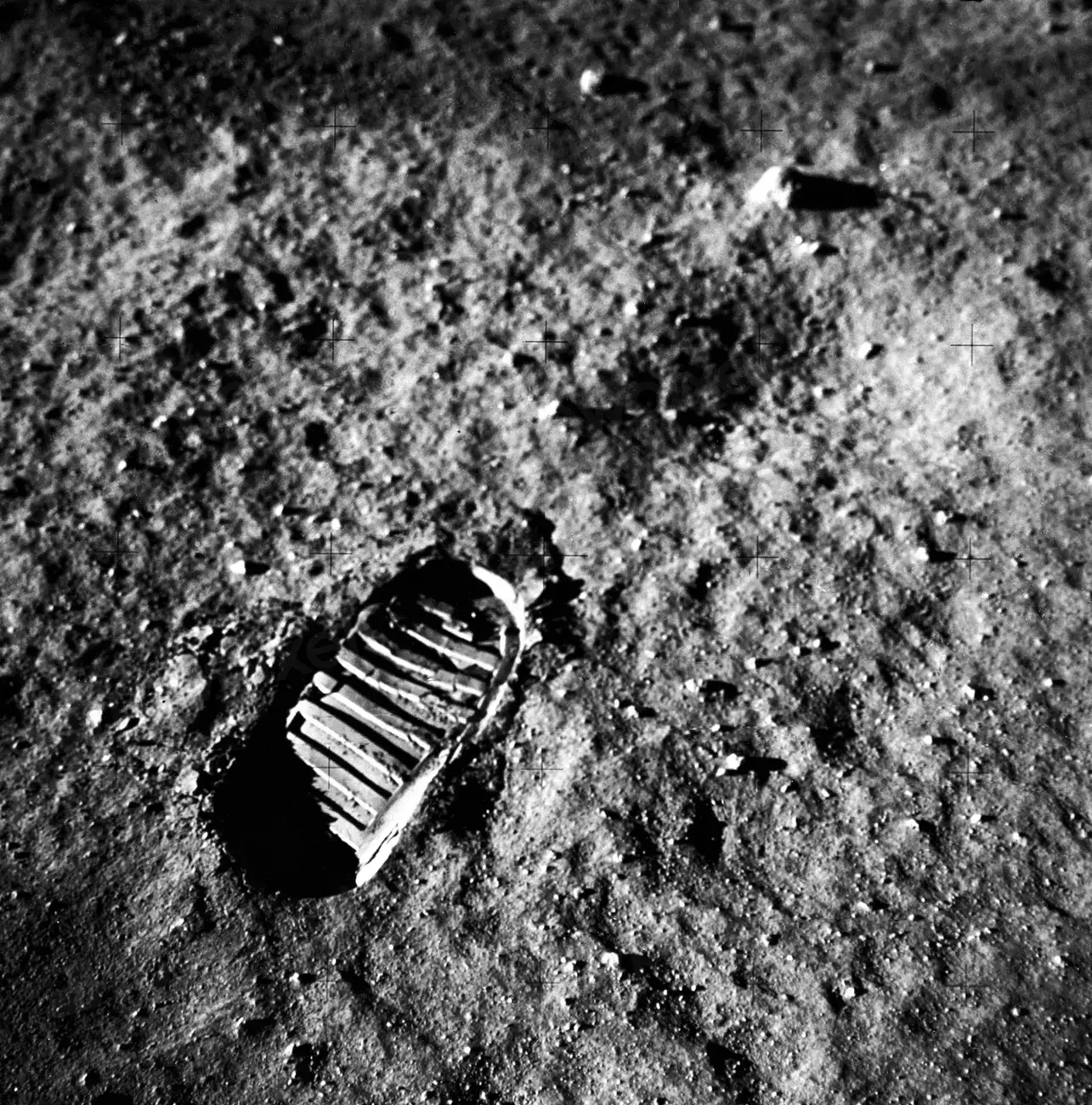
Earth’s surface constantly changes thanks to water in all its forms, from rain to rivers carving canyons over millennia. The Moon, however, holds no liquid water anywhere on its surface. This absence eliminates the primary force behind erosion that would otherwise wear down footprints quickly. No oceans lap at shores, no streams cut channels, and no ice expands to crack rock. Lunar regolith stays dry and stable, locking in the detailed patterns of astronaut boots and rover tracks. Without moisture to soften or dissolve particles, these marks resist breakdown for extraordinary timescales. Estimates suggest such features could persist for hundreds of millions of years under these conditions.
The Moon’s surface has seen no hydrological cycles since its formation billions of years ago. Even polar ice deposits remain frozen solid without melting into erosive flows. This dryness pairs perfectly with the lack of atmosphere to create an ultra-preserved landscape. Apollo mission photos from the 1970s show footprints as fresh today as when they were made. Scientists analyzing lunar soil properties note its high cohesion prevents slumping or washing away. Over 100 million years, water’s absence ensures these relics of human achievement stand untouched by the planet’s most destructive element.
Regolith’s Cohesive Dust Holds Impressions Indefinitely
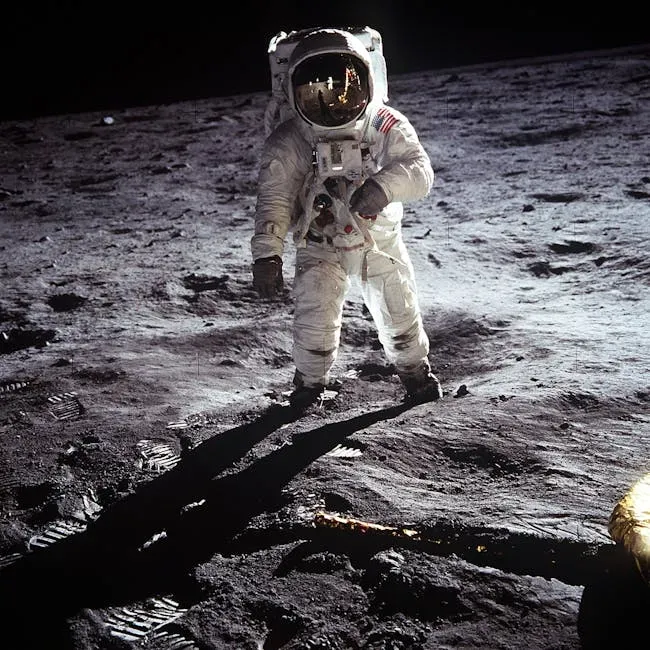
The Moon’s surface layer, known as regolith, consists of fine, jagged dust particles from ancient impacts. This material packs tightly under the pressure of a boot, forming detailed molds that do not collapse easily. Unlike Earth’s sand, which shifts and fills voids rapidly, lunar regolith clings together due to electrostatic charges and sharp edges. Low gravity, just one-sixth of Earth’s, means less force pulls prints apart over time. Astronauts noted how tracks from their gear stayed visible for the entire mission duration. Lab tests on returned samples reveal this dust retains shapes through vacuum and temperature cycles without degrading. Such properties allow footprints to remain visible for tens to hundreds of millions of years.
Without biological activity like roots or burrowing animals, nothing biologically disturbs the regolith either. The dust’s vacuum-welded nature further stabilizes it against minor vibrations. Apollo 11’s first steps created impressions still detectable in high-resolution orbital images today. This remarkable grip turns the lunar plain into a permanent gallery of exploration. Scientists emphasize that no tectonic shifts, unlike Earth’s plate movements, rearrange the surface to bury old marks. Thus, over 100 million years, regolith ensures every footfall endures as a silent witness.
Micrometeorite Impacts Occur Too Slowly to Erase Footprints
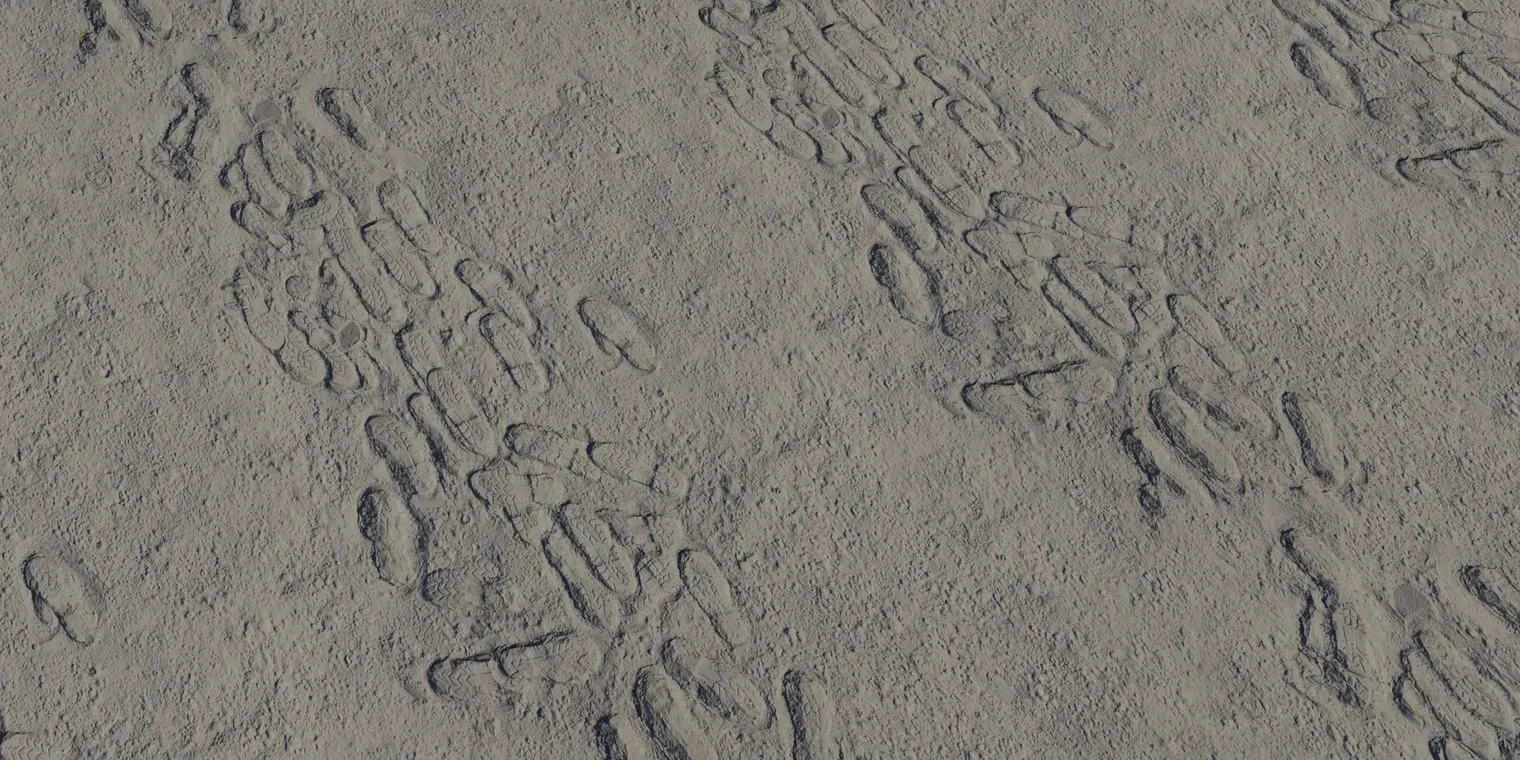
The primary changer on the Moon comes from space in the form of micrometeorites, tiny high-speed particles hitting the surface. These impacts gradually churn the regolith through a process called gardening, but at an incredibly slow rate. Billions of these specks fall yearly, yet they only rework the top few centimeters over millions of years. Footprints sit just deep enough to avoid quick burial, preserving their form against this gentle mixing. No atmosphere burns up most incoming debris before it reaches the ground, so only the smallest pieces make it through. Studies indicate it takes tens of millions of years for significant alteration of surface features this shallow. The Apollo landing sites show no noticeable degradation from this after over 50 years.
Lunar gravity’s weakness scatters impact ejecta minimally, limiting disturbance to local areas. Without plate tectonics to upheave or subduct land, the overall surface stays static. Orbital surveys confirm footprints remain intact amid surrounding regolith. This slow bombardment means 100 million years passes with prints largely unchanged. Researchers model that full erasure would require vastly longer periods under current flux rates. In essence, the Moon’s isolation from Earth’s dynamic forces turns it into a vault where history imprints forever.