

Remote work has unlocked new possibilities for millions, letting people choose where they live without tying themselves to big-city offices. Small towns across America see this shift as a golden opportunity. They’re rolling out cash incentives through programs that draw in workers eager for fresh starts.
Platforms like MakeMyMove connect hundreds of communities with newcomers, listing over 300 spots offering perks tailored to remote professionals.[1] Many provide direct stipends ranging from $5,000 to $15,000, alongside coworking access and community events. These efforts build on a post-pandemic trend where rural areas aim to reverse years of decline.
Reversing Steady Population Drops
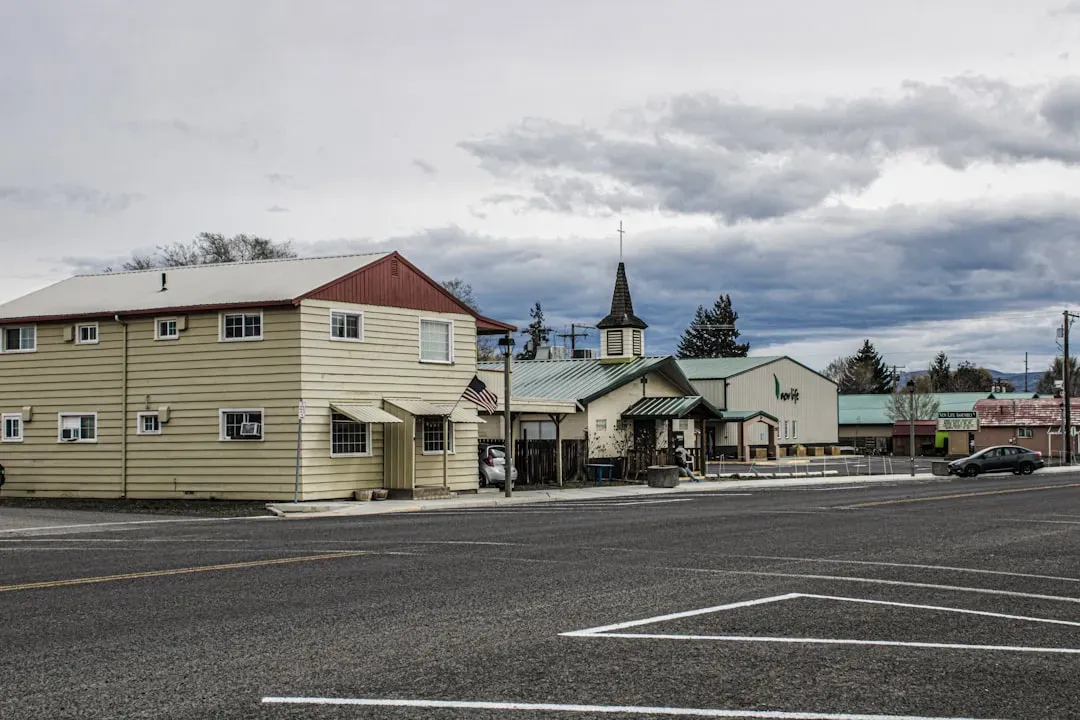
Small towns have watched residents leave for decades, heading to urban centers for jobs and amenities. Programs target remote workers to fill empty homes and stabilize schools. Nearly 5,000 households have relocated through such U.S. initiatives, breathing life into fading communities.[2]
Ascend West Virginia, for instance, brought in 226 people since 2021, including families that added over 140 new members locally.[3] This influx counters the outflow that shrinks tax bases and closes businesses. Towns now bet on newcomers staying long-term after the initial cash payout.
Injecting Outside Income Streams

Remote workers bring salaries from distant employers, spending fully within the local economy. Unlike traditional factories, these programs cost little upfront but yield big returns. Tulsa Remote has paid out incentives to over 4,000 participants, generating more than four times the investment in economic activity.[4]
Households contribute over $500 million annually in relocated income across participating areas.[2] Small towns gain without competing for jobs, as newcomers shop, dine, and invest nearby. This steady cash flow supports shops and services strained by prior depopulation.
Riding the Remote Work Wave

The pandemic accelerated remote setups, with lasting changes by 2026. Towns seize this by marketing directly to digital nomads via sites like MakeMyMove. Over 50,000 applications flowed through the platform by late 2023 alone.[2]
Places like Topeka, Kansas, offer up to $15,000 to qualified outsiders.[5] Incentives match the flexibility workers now enjoy, pulling them from high-cost metros. Communities position themselves as ideal bases for this mobile lifestyle.
Lower Costs Seal the Deal

Housing in small towns often runs a fraction of city prices, amplified by relocation bonuses. A $10,000 stipend covers moving trucks and deposits easily. Workers escape soaring rents while keeping urban paychecks.
Northwest Arkansas dangles $10,000 plus bikes for trails, tapping Walmart-area growth.[5] Such packages make the math irresistible for families eyeing space and savings. Towns highlight this edge over crowded coastal spots.
Building Stronger Tax Bases

More residents mean broader property and sales tax collections. Remote arrivals boost revenues without straining public services initially. Programs distribute around $50 million in incentives nationwide, far outweighed by long-term gains.[2]
Tulsa’s model shows each dollar spent returns $4.31 locally, including $2.09 in taxes.[4] Small towns use this to fund roads, schools, and events. Steady newcomers ensure fiscal health for years ahead.
Reviving Local Businesses
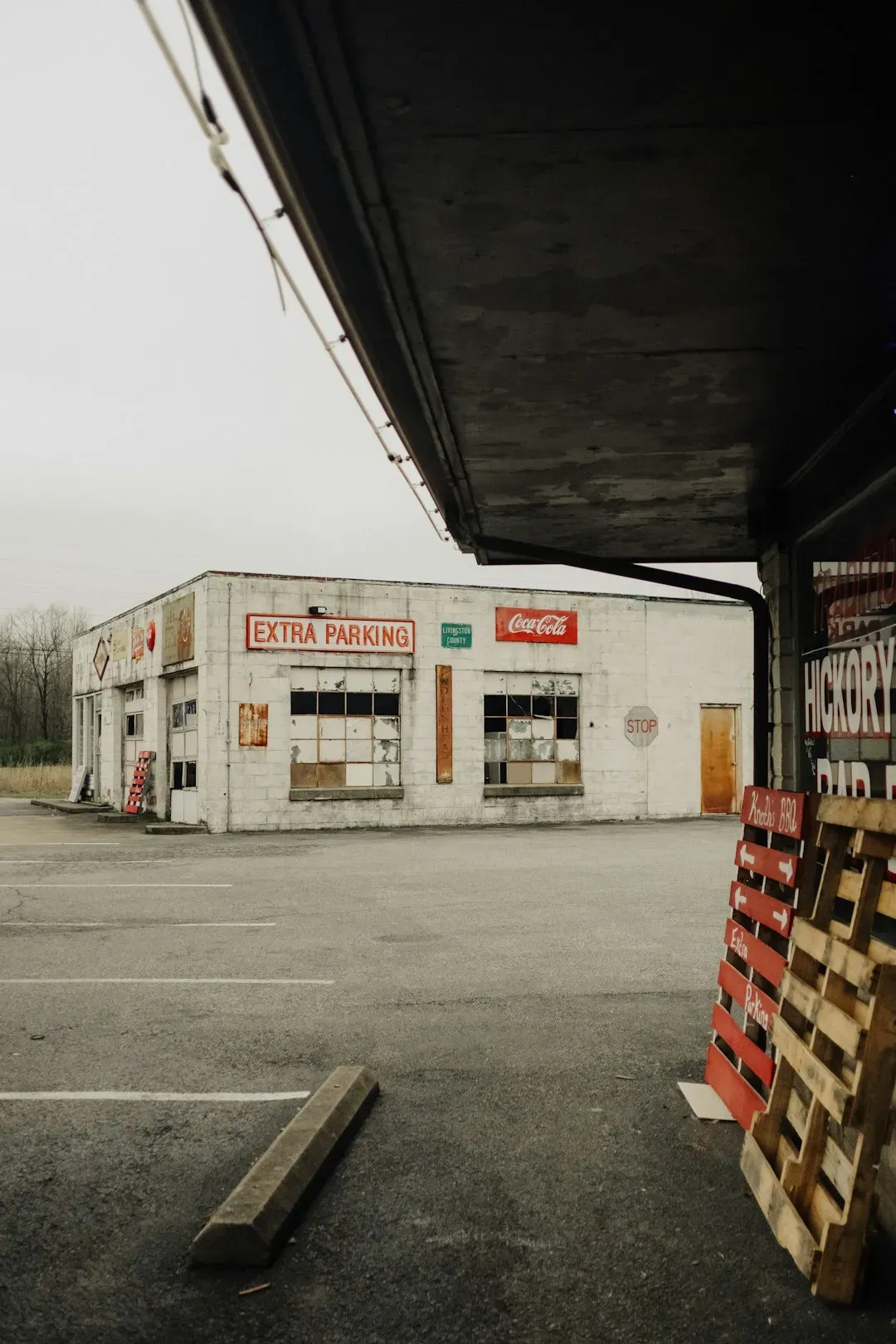
New faces fill cafes, stores, and gyms that once struggled. Remote workers, often young professionals, spark demand for modern amenities. Mattoon, Illinois, lured 14 people since 2022 with $5,000 cash plus perks.[3]
This activity creates jobs indirectly, from construction to childcare. Towns report busier downtowns post-influx. The cash acts as a catalyst for organic growth.
Attracting Diverse Talent

Programs draw skilled workers from tech, finance, and creative fields. Small towns gain expertise for local startups and nonprofits. High-earners from California and New York bring networks and ideas.[6]
Lincoln County, Kansas, offers $4,500 to those earning $50,000-plus.[3] This mix energizes volunteer groups and boards. Communities evolve without losing their core charm.
Offering Perks Beyond Cash
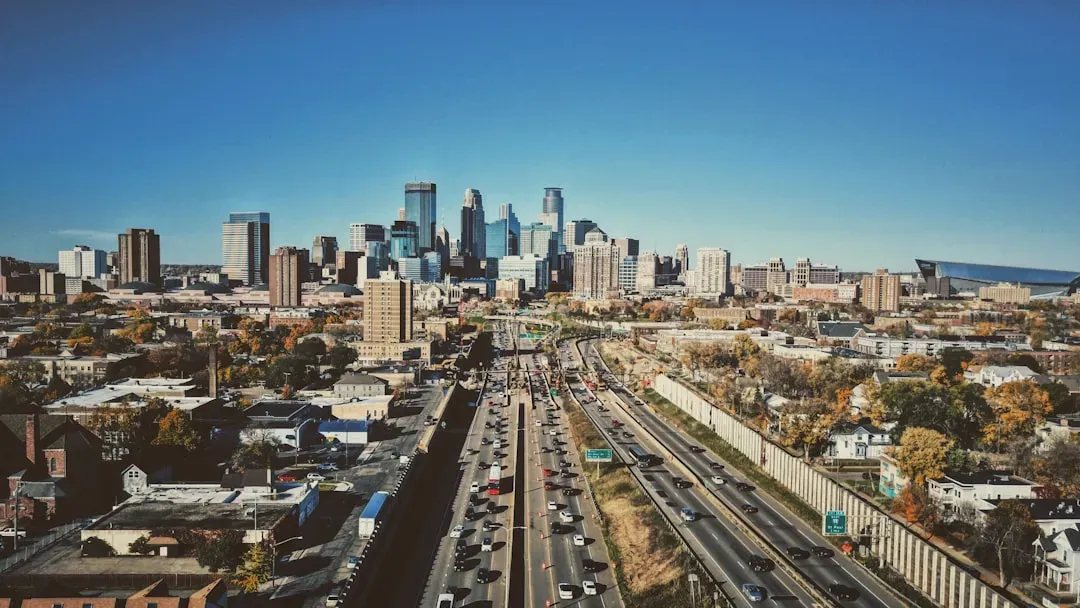
Stipends pair with coworking, outdoor passes, and networking. Paducah, Kentucky, bundles $5,000 with riverfront vibes.[7] These extras ease the transition for city transplants.
West Virginia adds $12,000 plus free recreation for a year.[8] Such packages sell lifestyles, not just money. Towns craft welcoming experiences that encourage roots.
Demonstrating Proven Results

Early adopters like Tulsa boast 96% retention in year one, 70% long-term.[4] Success stories spread, inspiring dozens more. Platforms track thousands of moves, validating the approach.
Indiana hit its 1,000th participant statewide.[9] Data shows economic multipliers, quieting skeptics. Towns now compete with polished pitches and real outcomes.
Aiming for Sustainable Futures

Cash kickstarts commitments to stay a year or more. Families born locally extend the impact. Programs evolve, adding entrepreneur tracks and family grants.
By 2026, over 65 communities actively recruit with $5,000 to $20,000 offers.[10] This strategy promises enduring vitality. Small towns rewrite their narratives one remote worker at a time.
These incentives reveal a smart play in a changing work world. Remote freedom pairs perfectly with rural renewal needs. For towns and workers alike, the move often proves mutually rewarding.