
Professional organizers often walk into homes filled with the latest storage trends from big-box stores. Yet they spot patterns in what fails over time. These experts focus on long-term function rather than impulse buys that look good in photos.
Popular bins promise tidy spaces but deliver frustration instead. Pros steer clients toward durable, practical options. Understanding their reasons helps avoid common pitfalls.
Opaque Plastic Bins
Solid-colored plastic bins hide contents completely. This makes it hard to spot items without pulling everything out. Organizers prefer seeing at a glance to keep systems efficient.[1][2]
Labels fade or fall off quickly too. Over time, forgotten stuff piles up inside. Clear alternatives save time and reduce clutter buildup.[1]
These bins dominate discount aisles for their low price. Still, the hidden chaos outweighs any savings. Pros see them as a shortcut to disorganization.
Cheap Discount Store Bins
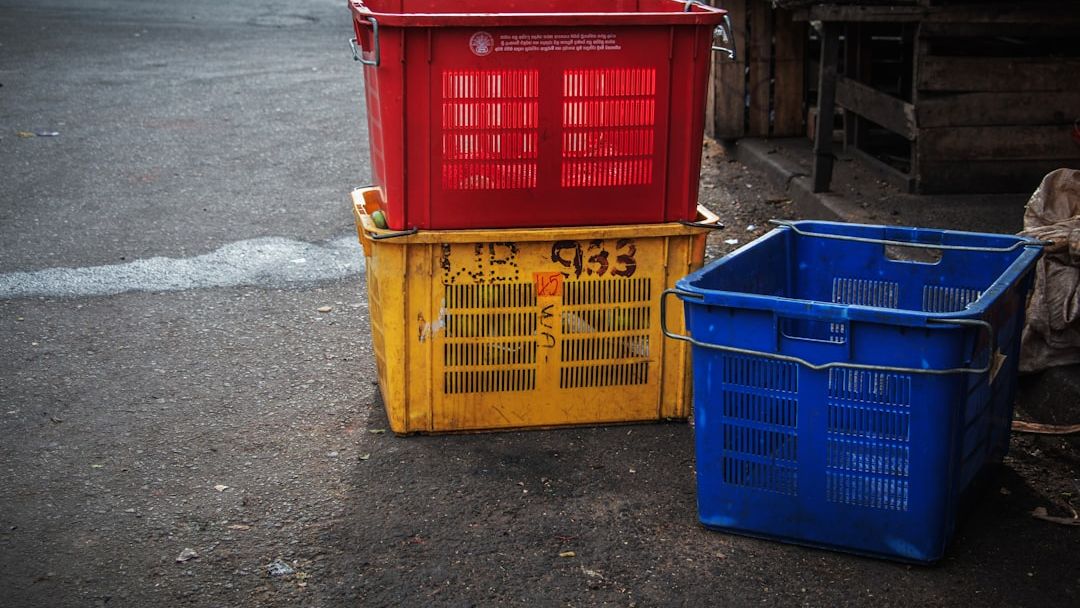
Flimsy bins from overstock spots crack under weight. They warp when stacked or exposed to heat. Replacement costs add up faster than quality picks.[3]
Matching sets prove impossible later on. Shelves end up mismatched and unstable. Durable bins from specialty stores hold up better over years.[3]
Initial appeal comes from rock-bottom prices. Reality hits when handles break mid-use. Organizers push for investment pieces that last.
These often lack secure lids too. Items spill during moves around the house.
Lidded Stackable Totes
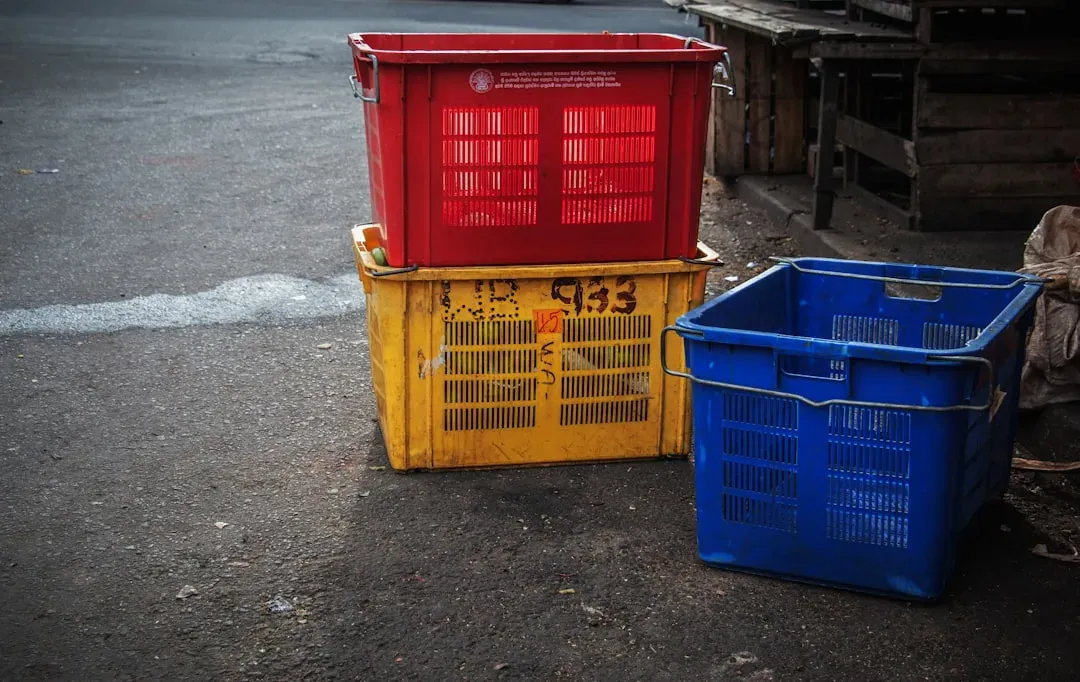
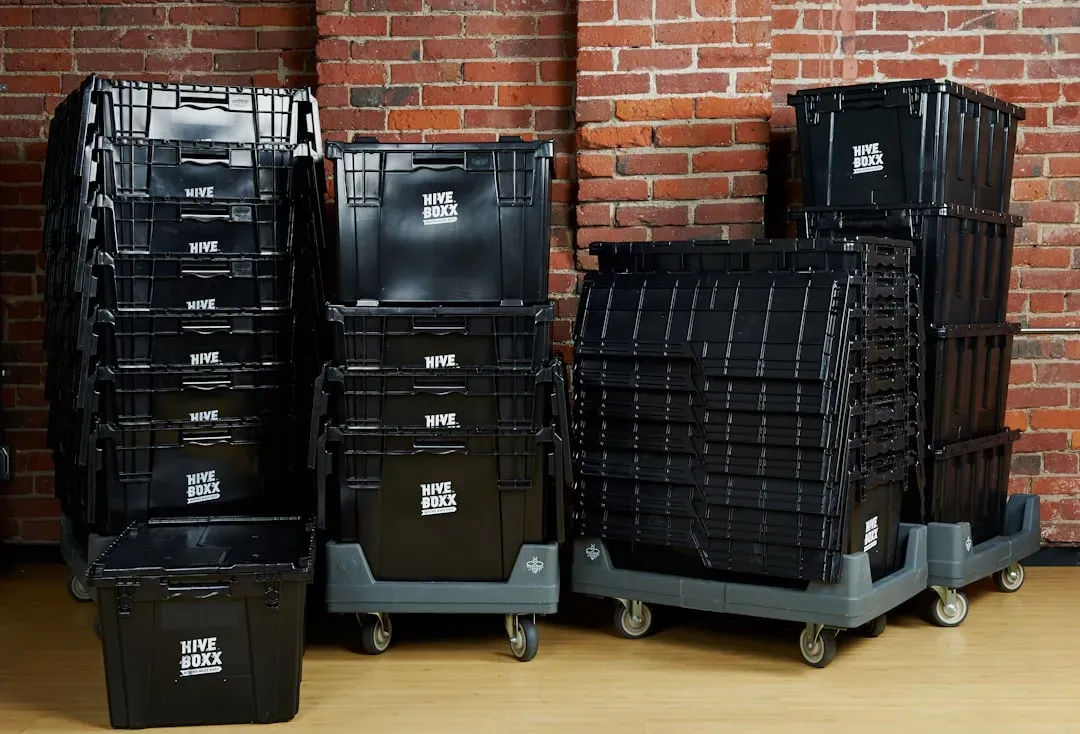
Fully lidded bins stack neatly at first glance. Accessing lower ones means dismantling the pile. Items on top get used while bottoms gather dust.[4]
Lids pop off easily without latches. Contents shift and damage delicate goods. Open-front designs allow better flow in tight spaces.
Popular for garages and closets everywhere. Pros note they encourage hoarding unseen junk. Visibility keeps usage honest.
Fabric Cube Organizers
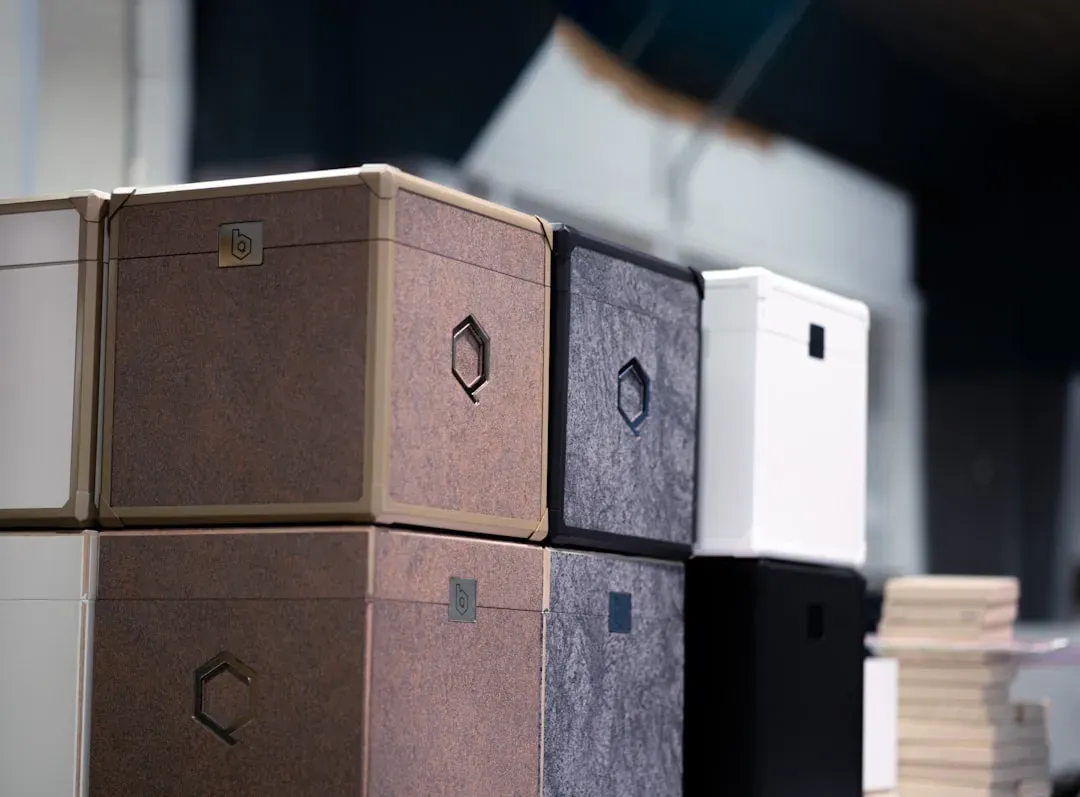
Soft fabric cubes sag when filled with books or tools. They collapse over time and trap dust inside. Structure matters more than style here.[5]
Cleaning proves tricky as fabrics harbor odors. Items slip around without rigid sides. Wood or plastic frames offer reliable support.
These fit cube shelves perfectly at first. Weight tests reveal weaknesses fast. Organizers swap them for sturdier options early.
Trendy patterns lure buyers in stores. Function fades quicker than the appeal.
Slanted-Side Containers
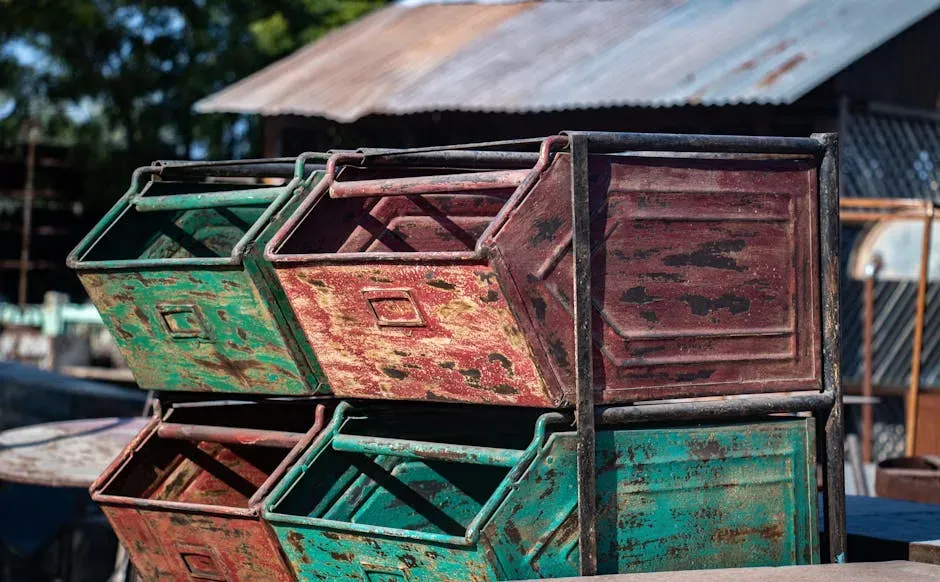
Bins with tapered sides waste shelf space. They nest oddly and leave gaps. Straight edges maximize every inch in pantries or cabinets.[1]
Stacking becomes unstable on angles. Items tumble during pulls from shelves. Uniform shapes create seamless systems.
Design aims to save space in shipping. Home use exposes the flaws daily. Pros opt for squared-off reliability.
Common in bulk packs online. The gimmick sounds smart until tested.
Key Takeaways for Smarter Storage
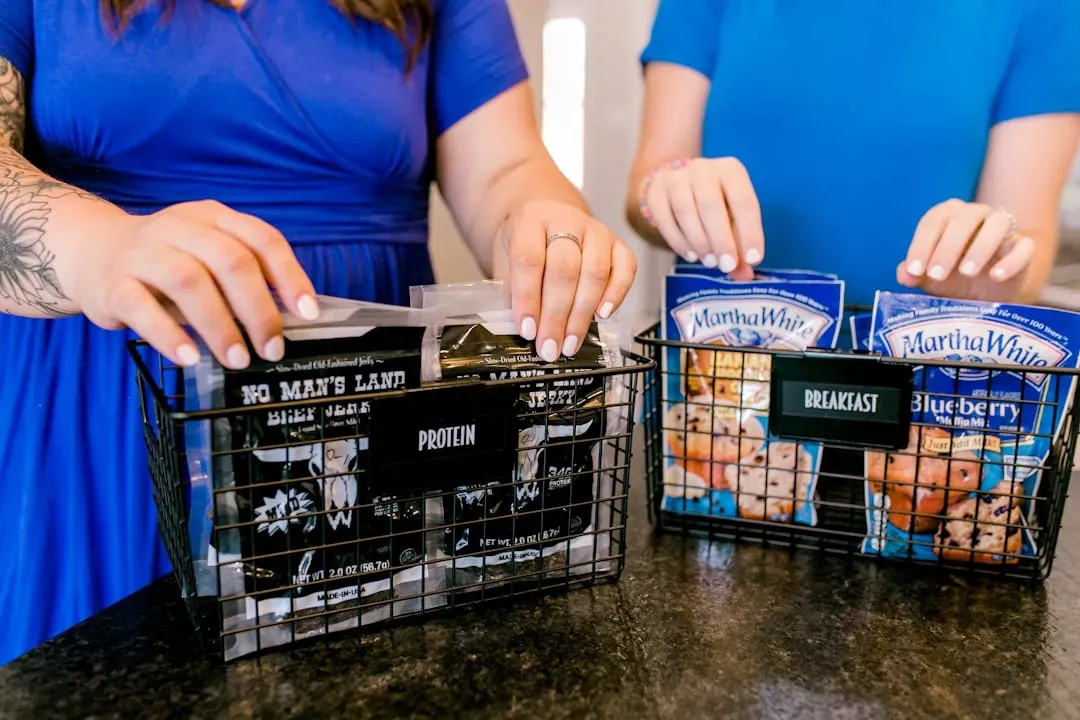
Declutter first before any bin purchase. Measure spaces and test needs. Quality trumps quantity every time.
Pros build systems around daily habits. Flexible, visible storage wins out. Your home stays calm longer that way.
Skip the hype and choose wisely. A thoughtful setup feels effortless in the end.