
Tracing the Roots of “Bubbler”
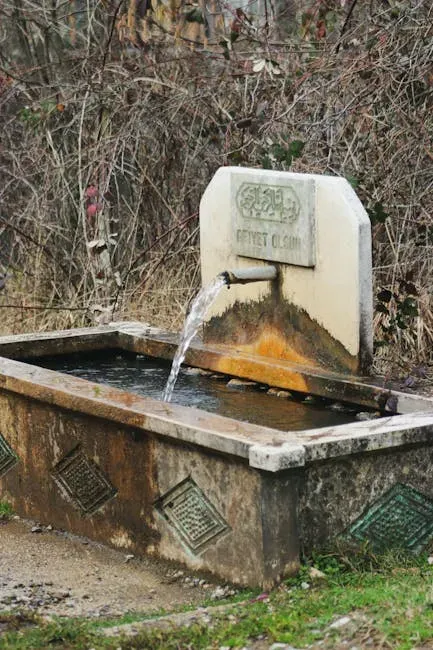
The word bubbler comes from designs in the early 1900s where water bubbled up from the spout. People in Wisconsin latched onto it first, thanks to a local company that made these fountains. Over time, it stuck in parts of the Midwest and even reached Rhode Island and eastern Massachusetts. Folks there defend it fiercely as part of their identity. You can see it pop up in old photos of schools and parks. Today, saying bubbler still gets a nod from locals. It feels like a time capsule in everyday talk.
Early models had that distinctive arc of water, almost like a mini fountain. Kohler, based in Wisconsin, branded them that way, and the name spread through factories and homes. Kids grew up asking for the bubbler at recess. Even visitors pick it up after a while. This term shows how inventions shape language. Regional pride keeps it alive amid national chains. Hearing it now sparks stories from grandparents.
The Dialect Maps That Went Viral
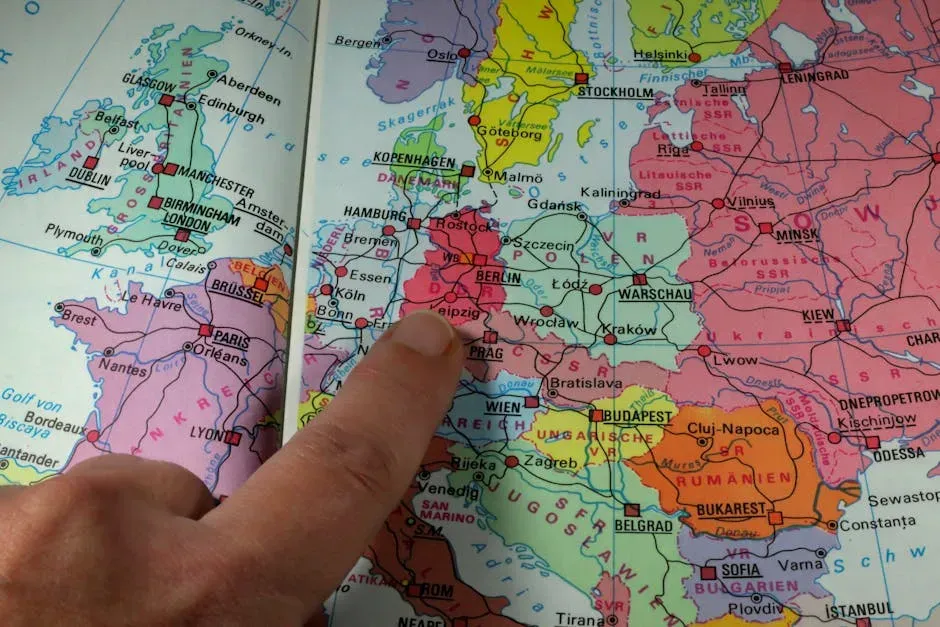
Interactive maps from surveys like the Harvard Dialect Survey plot where people say bubbler, water fountain, or drinking fountain. Colors light up regions, with bubbler in bright spots around Wisconsin and the Northeast coast. These visuals spread fast on Instagram and TikTok, drawing in curious viewers. Users share their results, tagging friends from different states. The maps reveal sharp divides that surprise many. They turn dry data into fun discoveries. Millions have clicked through by now.
Each dot on the map comes from real responses, showing everyday speech patterns. West Coast leans drinking fountain, South says water fountain mostly. Bubbler stands out like an island. People zoom in on their hometowns, laughing at neighbors’ words. These tools make linguistics feel personal. Schools even use them for lessons. The buzz keeps growing online.
Social Media Ignites Regional Words
Platforms like TikTok and Instagram push local slang into viral clips full of humor. Creators film skits mocking out-of-towners who say water fountain in bubbler land. Hashtags tie terms to challenges, spreading them wider. Gen Z mixes them with global trends, keeping roots strong. Videos rack up views as people relate or learn. This digital stage celebrates what was fading. Slang bounces back stronger.
Short reels capture accents and phrases perfectly. Friends duet with their versions from afar. Algorithms favor unique content, so regional gems shine. It connects far-flung family too. Users feel seen in the comments. The cycle feeds more shares. Everyday talk finds new life screens.
Gen Z’s Push for Authentic Speech

Younger folks dive into regional slang to stand out online and feel real. They post about their bubbler loyalties, tying it to hometown pride. Social media lets them flex cultural quirks without judgment. This generation mixes old words with new vibes seamlessly. It builds community in comment sections. Many say it helps them connect deeper. The trend shows no signs of slowing.
Surveys hint that most young people link local lingo to true self-expression. They use it in texts and stories daily. Friends from other areas pick up bits, blending dialects. It counters bland national speech. Pride swells with each share. This shift feels organic. Future talk might get even more colorful.
Historical Ties That Bind Words
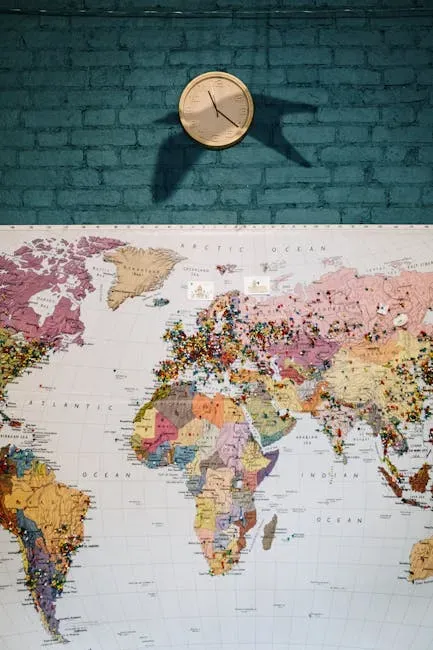
Slang like bubbler mirrors migration waves and local jobs from decades ago. Factory towns in the Midwest embraced the term through work chats. Families passed it down like recipes. Cultural pockets formed around industries and ports. These patterns linger in speech today. Linguists trace them to settlement history. Words carry those old stories.
Early 20th-century moves shaped vocab across states. Coastal areas got their twists too. Community events reinforced the lingo. Newcomers adapted over time. It marks belonging subtly. Maps highlight these threads. Understanding adds layers to chats.
How Remote Work Revives Local Talk
With more folks working from home, daily interactions stay closer to roots. Neighbors chat over fences using old terms freely. Video calls mix in family slang without office filters. This setup strengthens ties to place. People rediscover words from childhood. Communities feel tighter. Slang flows naturally again.
Less travel means fewer blended habits. Local groups online echo regional voices. It counters years of homogenization. Workers share dialect memes in breaks. Pride in unique speech grows. This quiet shift sustains variety. Home base anchors language.
Linguists on Identity and Variation
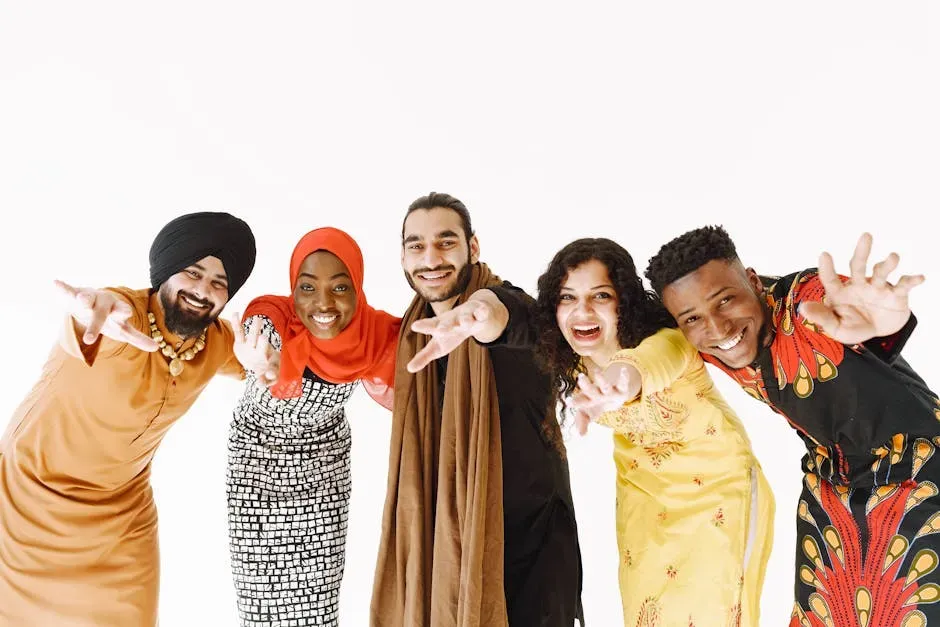
Sociolinguists explain that dialects build group bonds through shared words. Using bubbler signals you’re from certain spots instantly. It fosters trust in conversations. Variations thrive where belonging matters. Online spaces amplify this now. People choose terms to fit circles. Strength comes from difference.
Studies show speech patterns reinforce community. Regional terms pop in tough times too. They adapt yet hold core. Global reach spotlights locals. Experts watch the patterns evolve. It keeps language dynamic. Unity hides in diversity.
Defying the Global Language Melt

Experts once thought globalization would smooth out dialects into one bland mix. Yet online tools spotlight regional gems instead. Local slang gains fans worldwide through shares. It resists the uniform tide. Celebrations of difference prevail. Maps prove variety endures. Comeback feels inevitable.
Digital crowds cheer unique voices over generic. Platforms reward the quirky. Old predictions missed this twist. Speech stays tied to soil. Future holds more mosaic talk. Embrace the bubbler call. Regional flavor enriches us all.