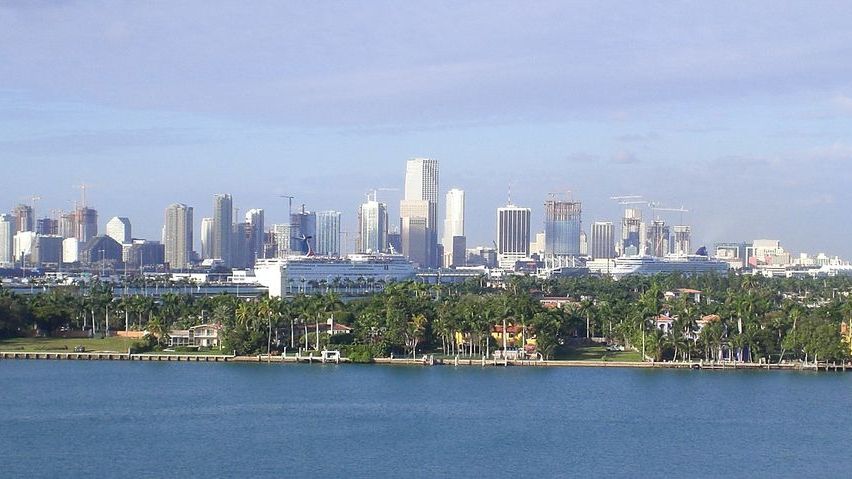

Miami, Florida
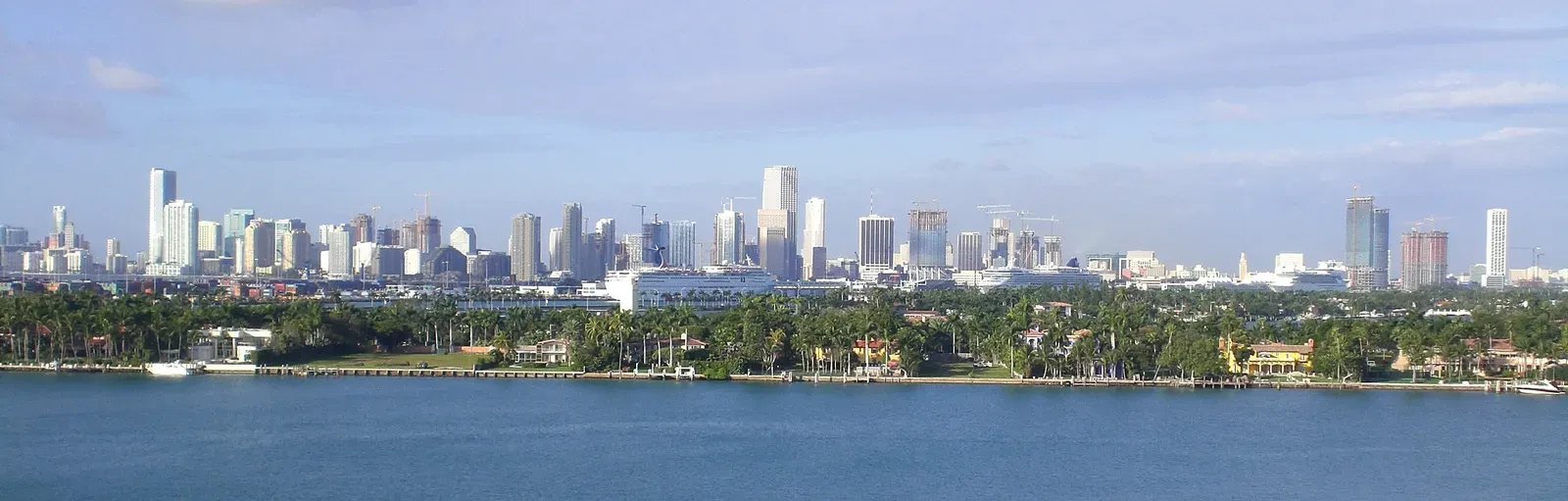
Miami drew crowds from across the country just a few years back, chasing sun and jobs. Lately, though, the tide has turned with Miami-Dade County shedding around 10,000 residents from 2024 to 2025. Housing prices climbed fast, squeezing out even those who arrived during the boom. Insurance rates spiked due to back-to-back hurricanes, making homes unaffordable for many families. People originally from coastal spots like New York and Boston started packing up again. They cited endless storm threats and flooded streets as deal-breakers. Now, data shows outflows heading north to more stable East Coast cities. Affordability back home looks better after these changes.
Bank of America reports pinpoint Miami with the steepest drop in domestic migration among big metros last year. Nearly two-thirds of major areas saw declines overall, hitting Sun Belt stars hard. Residents moved to nearby cheaper Southern towns at first, but longer hauls back to coasts picked up. Climate fears pushed families toward northern urban areas with milder risks. Jobs in tech and finance stayed, yet lifestyle costs outweighed them. Many returned to familiar neighborhoods in Philadelphia or even Chicago. This shift marks a real rethink of the Florida dream.
Phoenix, Arizona

Phoenix boomed as a pandemic escape, pulling in remote workers from California coasts. Growth slowed sharply in 2025, with Bank of America noting clear declines in domestic inflows. Extreme summer heat waves lasting months wore people down, especially families with kids. Housing supply flooded the market after overbuilding for expected crowds that never fully arrived. Median home prices still hover high, pricing out middle-class buyers. Those from West Coast cities like Los Angeles began reversing course. They sought relief from 110-degree days and water shortages. Northern coastal metros offered a cooler, more predictable vibe.
Residents traded desert life for spots along the Pacific or Atlantic rims. Insurance premiums rose with wildfire risks nearby, adding to the burden. Data shows outflows to places like Denver first, then farther to Seattle or Portland. Affordability edged back into the picture, with coastal suburbs looking reasonable again. Job markets stabilized up north, drawing tech folks home. Phoenix metros grew in total population, but domestic losses told the real story. This reverse flow highlights how climate trumps sun-chasing now. People want reliability over endless heat.
Austin, Texas

Austin exploded as the cool tech hub, luring talent from pricey coastal cities. In 2025, migration cooled despite some net gains, per recent reports. Housing costs doubled in spots, turning the city into another expensive trap. Builders added massive supply expecting nonstop growth that fizzled out. Traffic clogged every road, and summer scorchers hit record highs. Workers from San Francisco and New York started eyeing returns. They missed walkable neighborhoods and ocean breezes. Northern coasts called with better work-life balance.
Bank of America data flags uneven Sun Belt trends, with Austin’s inflows dipping year-over-year. Nearly a quarter of new arrivals came from other Texas metros, but outflows grew to coasts. Rising utilities and flood risks from heavy rains pushed families away. Affordability shifted, making East Coast suburbs competitive again. Tech jobs spread nationwide, easing the pull to stay. People headed back to Boston or Philly for family ties and stability. This slowdown feels like the end of Austin’s wild ride. Coasts regained appeal through sheer habitability.
Nashville, Tennessee
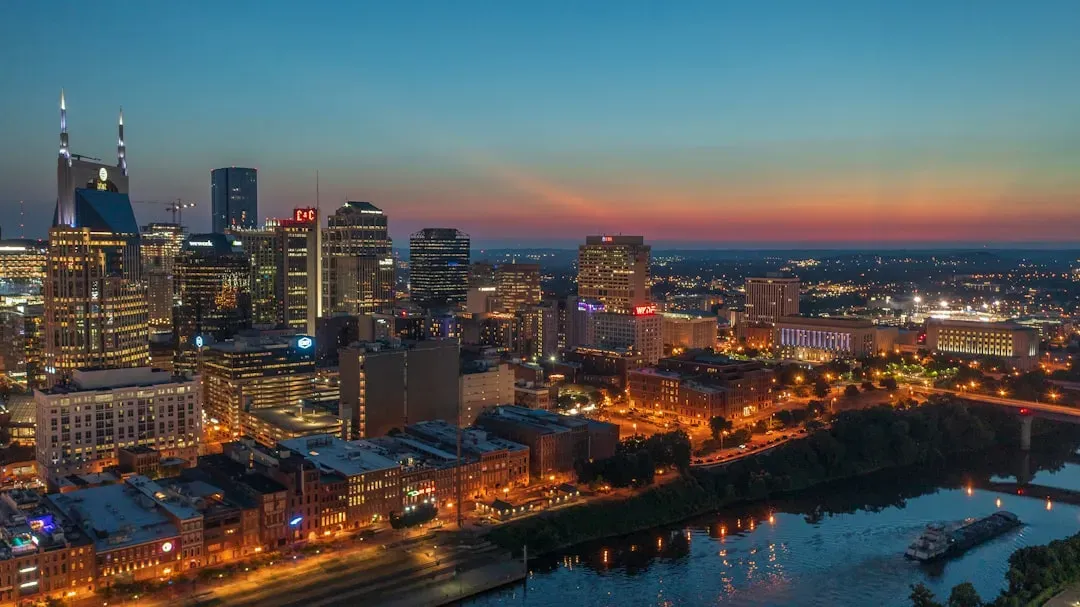
Nashville’s music scene and low taxes packed in newcomers from coastal metros. Domestic migration dropped off in 2025, aligning with broader Sun Belt slowdowns. Home prices surged past what many could handle, especially after pandemic rushes. Overbuilt neighborhoods now sit half-empty in suburbs. Hot, humid summers dragged on, clashing with romanticized views. Folks from places like Chicago or Atlanta reversed to original homes. They prioritized steady weather and urban energy over country vibes. Coastal cities promised quicker commutes and culture.
Reports show two-thirds of big metros lost migration steam, Nashville included. Insurance hikes from storms added monthly pain for homeowners. Jobs in health and entertainment held firm, but quality of life dipped. Families moved back to Northeast coasts for schools and safety nets. Water quality issues and growth pains accelerated exits. Data tracks flows to Philadelphia and beyond. This city traded boom for balance seekers heading oceanward. Reverse migration here feels personal, tied to real daily struggles.
Charlotte, North Carolina
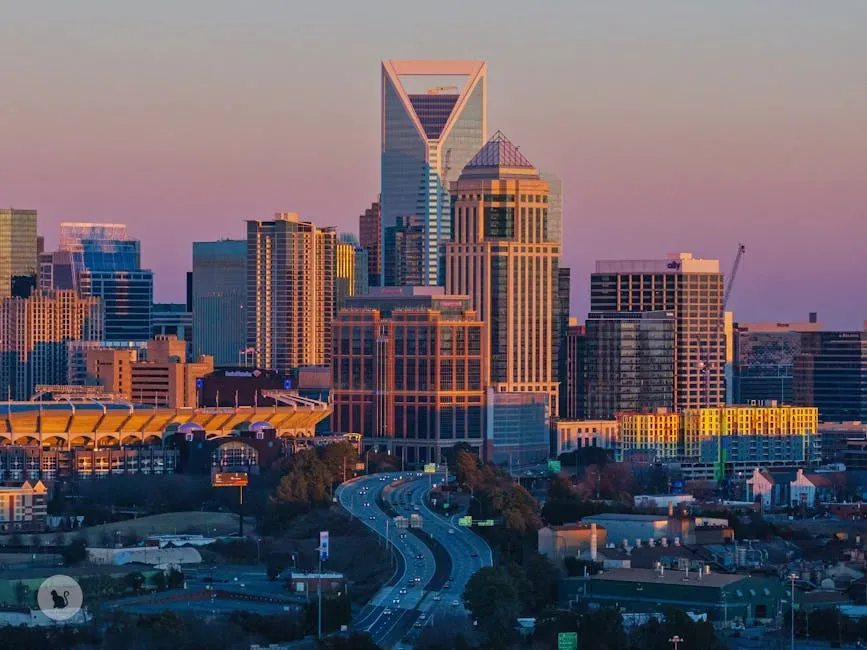
Charlotte rose fast as a banking powerhouse, snagging talent from East Coast hubs. In 2025, inflows faltered with Bank of America highlighting declines across similar metros. Housing boomed then busted with excess supply from optimistic builds. Costs crept up, matching coastal levels without beach perks. Sweltering heat and allergy seasons hit hard. Remote workers from D.C. or New York turned back north. They craved proximity to family and milder climates. Inland growth lost shine against coastal familiarity.
Nearly two-thirds of tracked areas saw migration dips, Charlotte right in line. Flooding from tropical storms raised insurance red flags. Traffic nightmares and sprawl turned off young professionals. Affordability flipped, favoring stable northern spots. Data points to returns to Philly and Boston metros. Finance roles decentralized, freeing moves homeward. This shift underscores climate and cost as new kingmakers. Coasts pulled back what they once pushed out.