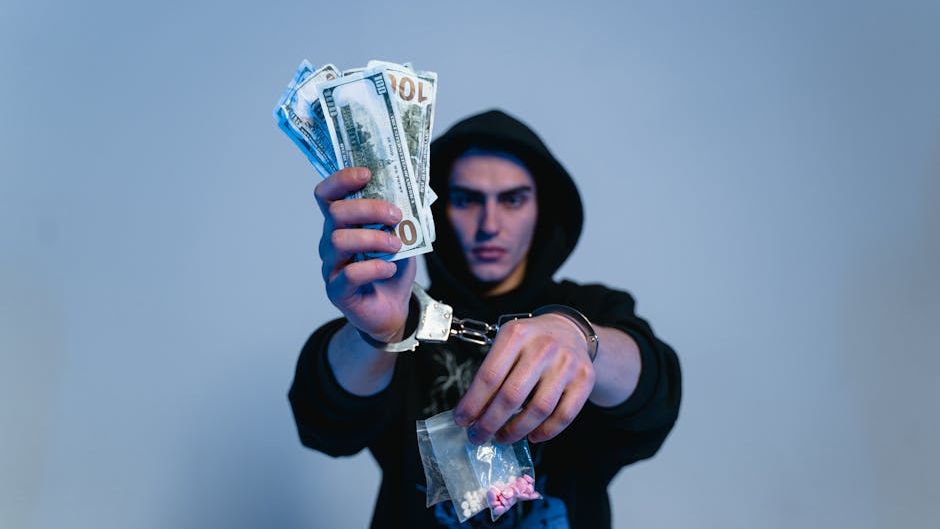
Global crackdown on illicit pharmaceuticals sees “5.5 million in seizures – Image for illustrative purposes only (Image credits: Pexels)
Consumers worldwide who turn to online sources for quick fixes to health issues like erectile dysfunction, anxiety, or weight loss dodged a bullet this spring. Authorities seized 6.42 million doses of counterfeit and unapproved pharmaceuticals valued at $15.5 million during Operation Pangea XVIII.[1][2] The two-week effort across 90 countries led to 269 arrests and dismantled 66 criminal groups peddling these dangerous products.[1]
Operation Targets Online Shadows
From March 10 to 23, 2026, law enforcement agencies coordinated under INTERPOL’s banner to strike at the heart of illicit online pharmacies. Officers launched 392 investigations and carried out 158 search warrants aimed at networks distributing substandard, falsified, or counterfeit medical products.[1] Digital teams disrupted roughly 5,700 websites, social media pages, channels, and bots that facilitated the trade.
This annual initiative, now in its 18th year, drew support from health regulators, Europol, the World Health Organization, and others. Criminals exploited lax oversight in digital marketplaces and informal supply chains, preying on desperate buyers with promises of affordable treatments.
Arrests and Dismantling of Crime Rings
The operation yielded 269 arrests worldwide, with authorities breaking up 66 organized groups entrenched in the illicit pharmaceutical trade.[2] In Bulgaria, police raided a clandestine lab producing anabolic steroids, seizing millions of mislabeled pills, ampoules, and injectables. Ecuador saw arrests tied directly to trafficking these goods.
Other notable actions included enforcement at Malaysian airports and mail centers, plus raids on residences and shops. In Thailand, officers confiscated over 300 vials of semaglutide and tirzepatide from an aesthetic clinic poised for online sales.
Most Seized Categories Reveal Consumer Vulnerabilities
Seizures highlighted products that exploit common health concerns. Authorities confiscated hundreds of thousands of doses in several high-risk categories:
- Erectile dysfunction medications: 682,317 doses
- Hypnotics and sedatives: 620,949 doses
- Analgesics: 502,611 doses
- Anti-bacterials and antibiotics: 465,473 doses
- Anti-smoking products: 376,143 doses
Emerging threats included antiparasitics like ivermectin and fenbendazole, repackaged as unproven cancer cures and seized in Australia, New Zealand, Singapore, the UK, and the US.[1] Peptides marketed for bodybuilding and illicit GLP-1 weight-loss drugs often laced with banned sibutramine posed heart risks. In Africa, essential antibiotics, painkillers, and antimalarials turned up substandard or expired, worsening access issues in underserved areas.[2]
Standout Seizures Across Continents
Bangladesh customs intercepted over five tonnes of raw antibiotics and anti-inflammatories hidden as animal feed at Chittagong Port. Burkina Faso uncovered 384,000 antibiotic capsules smuggled in vehicles, while Côte d’Ivoire seized a tonne of fake ibuprofen.
Cameroon nabbed thousands of suspect antimalarials and antibiotics. Türkiye reported multiple interceptions, underscoring the operation’s reach from ports to production sites.
A Reminder of Ongoing Dangers
INTERPOL Secretary General Valdecy Urquiza emphasized the stakes: “Fake medicines are not just a fraud – they put lives at risk.”[1] Bulgaria’s Biser Vuchkov added that such efforts demonstrate “unwavering resolve against illicit pharmaceuticals.”
As networks adapt to digital shadows, operations like Pangea underscore the need for vigilance. Buyers remain vulnerable unless they verify sources, leaving public health hanging on continued global cooperation.