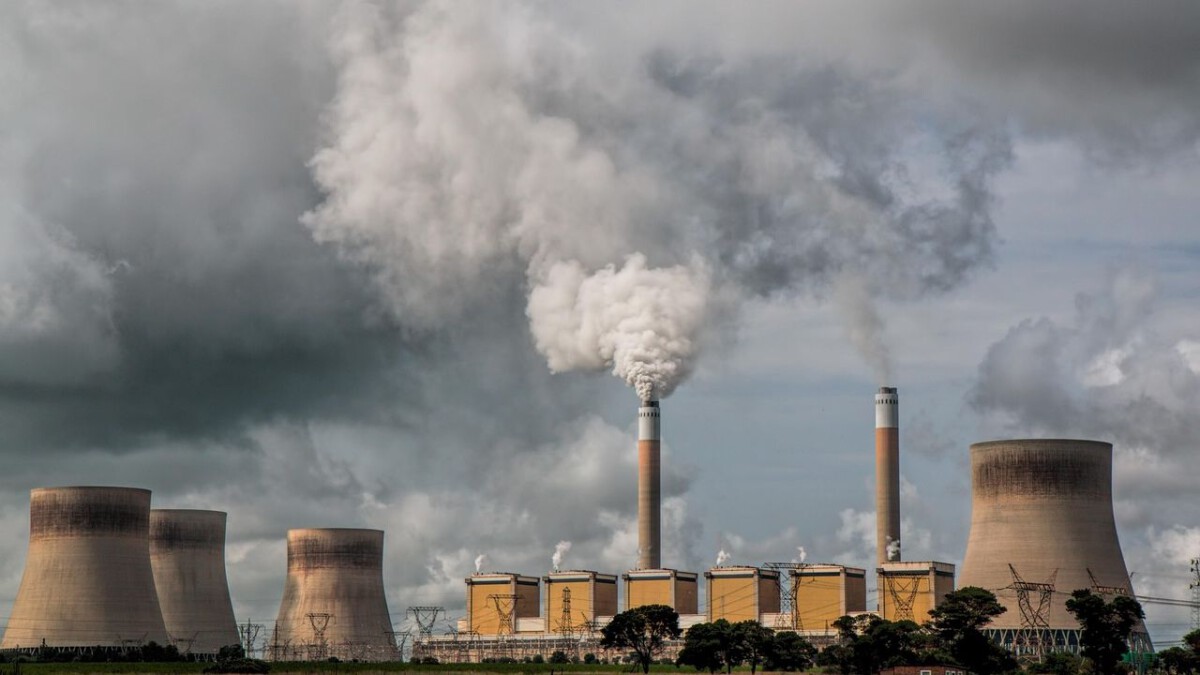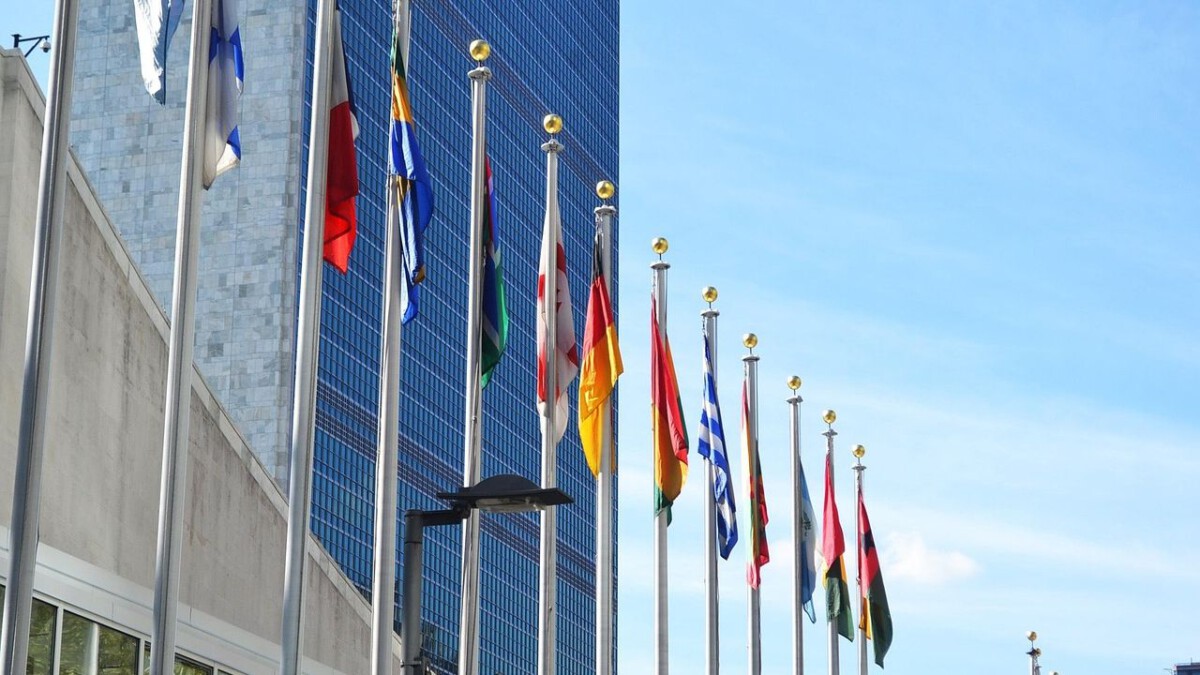
UN sees severe cutbacks: Here’s why people are worried about the organisation’s future – Image for illustrative purposes only (Image credits: Pixabay)
Geneva – The United Nations confronted its most drastic reductions in eight decades, with over 3,000 jobs eliminated or relocated from this Swiss hub since 2025.[1][2] Once the epicenter of global diplomacy, known as the city of peace, Geneva now grapples with a shrinking UN footprint that mirrors broader strains on multilateralism. Local leaders and experts expressed alarm that these moves signal a troubling retreat from postwar ideals of cooperation.
Severest Downsizing Targets Geneva’s Vast Operations
The UN’s European headquarters sprawled across an area comparable to Vatican City, anchored by the iconic Palais des Nations. Yet financial pressures forced agencies to vacate prime spaces and slash payrolls. The Office of the High Commissioner for Human Rights relocated from the historic Palais Wilson – once home to the League of Nations – to a wing of the Palais des Nations.[1]
The International Labour Organization surrendered two floors in its Geneva building, while UNICEF planned to transfer roughly 70 percent of its 400 local staff to lower-cost sites. The International Organization for Migration trimmed its Geneva workforce to 600 from 1,000 and reduced global headcount to 16,000 from 23,000, dispersing roles to places like Nairobi and Bangkok.[1][2] These shifts represented about one-fifth of UN posts in the city, according to a survey of agencies and authorities.
Agencies Reel from Relentless Pressures
| Agency | Key Changes in Geneva |
|---|---|
| Office of the High Commissioner for Human Rights | Relocated from Palais Wilson amid financial crisis |
| International Labour Organization | Exited two of 11 floors |
| UNICEF | 70% of 400 staff transferring out |
| International Organization for Migration | Staff cut to 600 from 1,000 |
| UNAIDS | Facing possible closure or downsizing |
UNAIDS confronted risks of closure, and other entities eyed similar fates. High living costs exacerbated the exodus, as UN international staff received a 89.4 percent premium on base salaries, along with family and education benefits.[1] IOM Director General Amy Pope remarked, “I don’t think we need a huge footprint in Geneva to do the job well.”
Norway’s Foreign Minister Espen Barth Eide argued that concentrating jobs in pricey locales like Geneva made little sense, urging a focus on field operations instead. A U.S. State Department official noted the city’s value for diplomacy but not administrative functions.
Funding Shortfalls Drive the Retreat
U.S. disengagement loomed large, with withdrawal from the World Health Organization on President Donald Trump’s first day back in office and uncertainty over $2 billion in unpaid core dues. Other donors trimmed contributions to bolster defense spending amid global tensions.[1] Secretary-General António Guterres warned of an “imminent financial collapse,” prompting a 15 percent spending reduction for 2026 and potential loss of 2,600 positions.[3]
Switzerland stepped in with 269 million Swiss francs ($340 million) for multilateral support, matched by local pledges totaling at least 50 million francs from the Geneva canton and the Hans Wilsdorf Foundation. Still, the UN pivoted toward a leaner structure, with emerging hosts like Kazakhstan, Qatar, and Rwanda vying for relocated offices.
Economic and Symbolic Toll Mounts
Geneva’s mayor, Alfonso Gomez of the Green Party, voiced deep concern: “We remain deeply concerned. It’s quite clear that… the abandonment of multilateralism is a cause for concern not only for the city itself but for the world at large.”[1] UN-related properties comprised 10 percent of the local commercial market, though sales awaited clearer U.S. policy signals.
Former UN Under-Secretary-General for Peacekeeping Operations Jean-Marie Guehenno reflected on the shift: “Geneva is the illustration of a world that’s not a zero-sum game… We’re unlearning the lessons we thought we’d learned from the terrible 20th century.”[1] Protests erupted in May 2025, with nearly 500 staff rallying against austerity.[3]
As agencies consolidated and relocated, Geneva’s status as multilateralism’s capital hung in the balance, testing the resilience of institutions forged in the shadow of world war.
Uncertain Path Forward for the UN
The cutbacks hollowed out a postwar symbol of collaboration, raising questions about the UN’s adaptability in a fractured landscape. While efficiencies promised a more agile organization, skeptics feared a diluted global voice. With U.S. arrears and donor fatigue persisting, Geneva’s fading lights underscored the fragility of international unity – and the high stakes of restoring it.