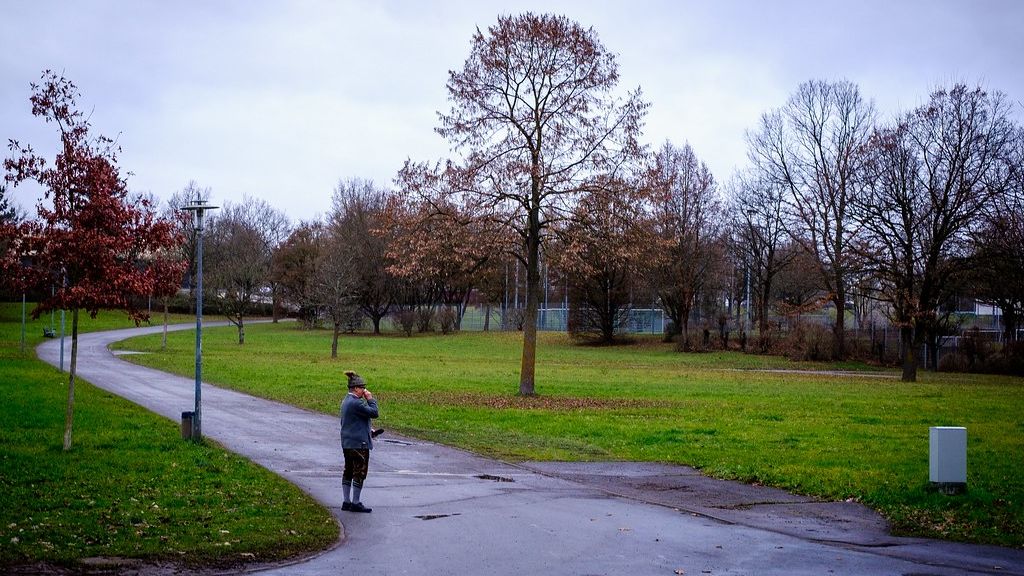
Wir Decathlon-Klone – Image for illustrative purposes only (Image credits: Flickr)
Leisure clothing once carried an unmistakable weight. A well-cut jacket or a pair of technical trousers could signal both taste and means, setting their wearer apart from the crowd. That clear line has blurred in recent seasons. Fashion-aware outdoor enthusiasts have begun filling Decathlon stores in numbers that few observers predicted, and the result is a noticeable leveling of what people wear when they head outside.
From Distinction to Common Ground
For decades, premium outdoor labels traded on exclusivity. Their higher price tags and limited distribution created visible boundaries between those who could afford the gear and those who could not. The garments themselves became shorthand for lifestyle and status. When a new wave of shoppers discovered Decathlon’s consistent quality at far lower cost, the old hierarchy began to soften.
The change did not arrive with fanfare. It spread through word of mouth and repeated visits. People who once browsed only high-end racks found that functional jackets, moisture-wicking layers, and durable footwear performed well enough for daily use. Over time, the visual difference between a weekend hiker in premium kit and one in Decathlon pieces narrowed to almost nothing.
Why the Stores Suddenly Felt Crowded
Several practical factors converged. Decathlon’s product range covers nearly every outdoor activity without requiring multiple specialist shops. Prices remain stable across seasons, removing the usual barrier of seasonal mark-ups. Shoppers also noticed that the designs avoid flashy logos, allowing the clothes to blend into everyday wardrobes rather than announce their origin.
At the same time, broader cultural shifts played a role. Interest in hiking, cycling, and casual travel grew after periods of restricted movement. Many new participants wanted reliable equipment without committing to expensive brands. Decathlon met that demand directly, and the stores became meeting points for a more diverse group of enthusiasts than before.
What the New Uniform Reveals
The result is a shared visual language on trails, city streets, and parks. Groups that once displayed a mix of high-end and budget pieces now appear more cohesive. This uniformity carries both advantages and trade-offs. On one hand, more people can participate without feeling under-equipped. On the other, the subtle signals that once distinguished personal style have grown harder to read.
Retail analysts note that the trend reflects a larger movement toward value-driven consumption. Shoppers increasingly weigh performance and price together rather than treating brand prestige as the primary measure. Decathlon’s model supports that calculation by keeping development and distribution costs low while maintaining acceptable quality standards.
Looking Ahead
The shift shows no immediate sign of reversing. As more consumers experience the same reliable products, the once-sharp boundary between budget and premium outdoor wear continues to fade. What remains is a simpler reality: functional clothing has become widely accessible, and the old markers of distinction have lost much of their former clarity.
In that sense, the crowded aisles at Decathlon represent more than a retail success. They mark a quiet redistribution of how people present themselves when they step outside, one garment at a time.