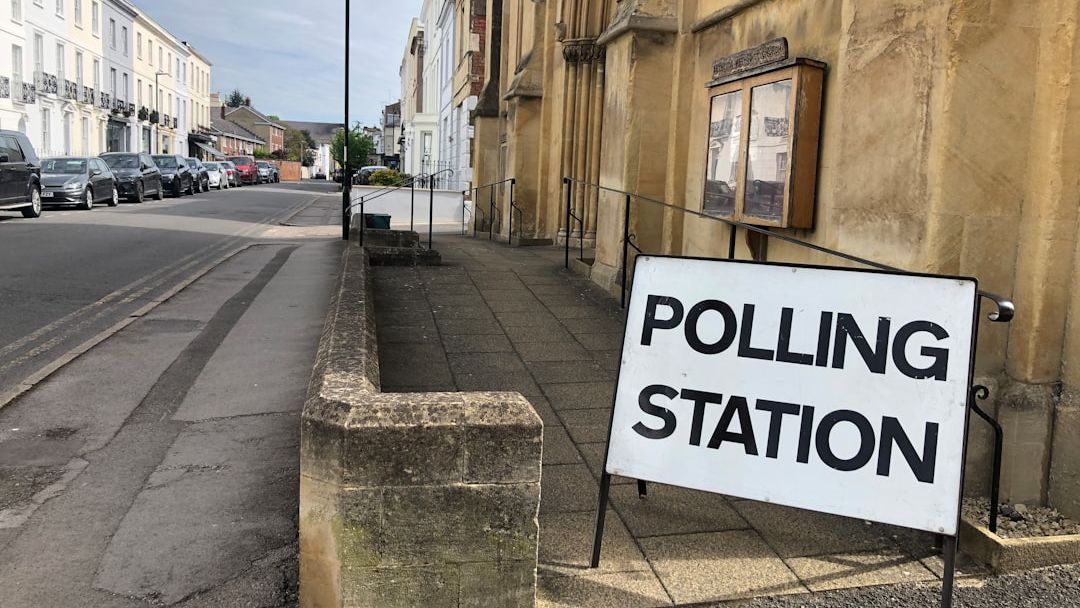
‘Historic change in British politics’: Brutal election results – Image for illustrative purposes only (Image credits: Unsplash)
Partial results from local council contests across England have delivered significant setbacks for Prime Minister Keir Starmer’s Labour Party. Gains for the hard-right Reform UK party have drawn attention to voter frustration with the pace of economic improvement and policy delivery. The outcome is being interpreted by many analysts as an early test of Starmer’s leadership less than two years after his national election victory.
Reform UK Secures Strongholds in Former Labour Areas
Reform UK, led by Nigel Farage, captured hundreds of seats in working-class northern districts such as Hartlepool that had long supported Labour. The party also picked up ground from Conservatives in places like Havering in east London by campaigning on anti-immigration and anti-establishment themes. These advances highlight a shift in voter priorities away from the two main parties that have dominated British politics for decades.
Farage described the results as marking an historic change. The party is now positioned to contest further seats in Scotland and Wales, although independence-focused groups remain stronger there. As counting continues through the day, the full scale of Reform’s performance will become clearer in remaining councils.
Labour Loses Ground on Multiple Fronts
Starmer acknowledged the “very tough” results and accepted responsibility without indicating any intention to step down. He noted that voters had sent a clear signal about the speed of change and improvements to daily life. The prime minister stressed his commitment to addressing those challenges rather than creating instability.
Labour is also losing support to the Green Party in urban and university areas, where leader Zack Polanski has boosted the party’s profile. At the same time, the Conservatives face their own losses while the Liberal Democrats record modest advances. This pattern of divided votes underscores the growing fragmentation of the electorate.
Timeline and Risks for Starmer’s Position
The next national election must be held by 2029, giving Starmer time to recover but also exposing him to internal party pressure if results worsen. Potential challengers within Labour include Health Secretary Wes Streeting, former Deputy Prime Minister Angela Rayner, and Greater Manchester Mayor Andy Burnham. Deputy Prime Minister David Lammy warned against any immediate leadership change, comparing it to replacing a pilot mid-flight.
Starmer’s difficulties stem from repeated policy adjustments, slower-than-expected economic growth, and strains on public services. External factors such as disruptions to oil supplies from the US-Israeli conflict with Iran have added further complications. A sustained challenge could force the party to consider an orderly transition process before the next general election.
Fragmented Politics Reshapes Future Contests
Professor John Curtice of the University of Strathclyde observed that no party now commands a large share of the vote, with even Reform UK likely below 30 percent. This splintering makes outcomes harder to predict and reduces the dominance once held by Labour and the Conservatives. Stakeholders across the political spectrum now face the task of adapting to a more competitive landscape.
The immediate consequence is renewed scrutiny of Starmer’s strategy ahead of further counts in Labour strongholds such as London. Parties must now weigh how to respond to voter demands for faster results on living costs and services while maintaining stability until the next national vote.