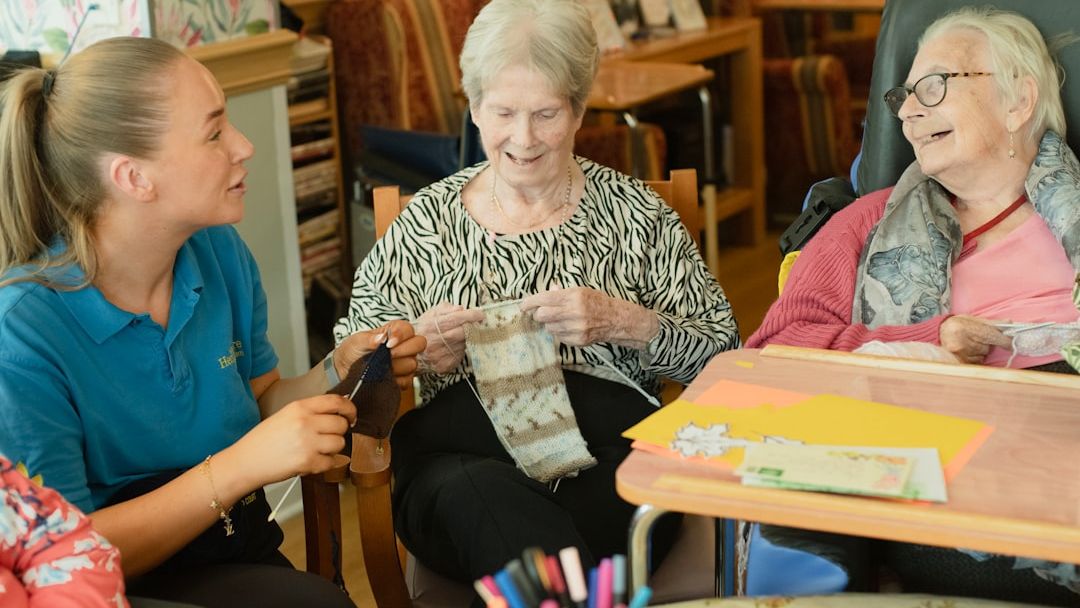
Local Charities Helping Seniors in North Dakota – Image for illustrative purposes only (Image credits: Unsplash)
North Dakota seniors often navigate tight budgets and rural distances that make everyday needs feel overwhelming. A network of local charities and nonprofits steps in with targeted support that government programs alone cannot always cover. These groups focus on immediate relief such as food, transportation, and home safety, helping older adults maintain independence in their communities. Recent verification shows these resources remain active and accessible across the state as of early May 2026.
Where Seniors Begin Their Search for Help
Many older adults start by contacting Great Plains Food Bank, which connects them to more than 200 partner pantries statewide. The organization offers senior food boxes and mobile stops that deliver directly to rural areas when travel proves difficult. Community Action agencies, serving all 53 counties, provide another reliable entry point for emergency utility aid or rent assistance. FirstLink 2-1-1 serves as a central referral line when the exact need remains unclear.
Calling ahead remains essential, especially in smaller towns where pantry hours may occur only once or twice a month. Staff at these organizations typically ask for basic details like county of residence and the specific problem at hand. This approach helps match seniors quickly with the right volunteer or program.
Food and Basic Needs Take Priority
Food pantries form the backbone of local charity efforts, with Great Plains Food Bank guiding seniors to the nearest location through its online finder tool. Volunteers often deliver groceries to homebound individuals or arrange for family members to pick up supplies. Churches and faith-based groups such as the Salvation Army and St. Vincent de Paul supplement these efforts with one-time help for clothing, gas cards, or small utility payments.
These organizations emphasize that their assistance works best for short-term gaps rather than ongoing monthly support. Seniors who prepare a short list of documents, including photo identification and recent bills, usually move through the process faster. When one group cannot assist, staff frequently provide referrals to another nearby option.
Transportation and Home Safety Challenges
Getting to medical appointments or grocery stores poses a major hurdle outside major cities like Fargo and Bismarck. NDAD offers paratransit support and equipment loans for those with mobility limitations, while Handi-Wheels provides rides in the Fargo area for shopping and health visits. Valley Senior Services delivers hot meals through its Meals on Wheels program to eligible residents age 60 and older in six eastern counties.
Home repairs receive attention from the same groups, with NDAD helping install ramps or grab bars when a medical need exists. Habitat for Humanity affiliates and Community Action weatherization programs address furnace safety and minor fixes that allow seniors to remain safely in their homes. Advance booking is standard for rides, and proof of need often speeds approval for accessibility items.
Additional Support for Caregivers and Legal Matters
Caregivers find guidance through the Alzheimer’s Association Minnesota-North Dakota chapter, which runs support groups and education sessions focused on dementia. Lutheran Social Service Senior Companion volunteers offer friendly visits and errands in participating communities. Legal Services of North Dakota provides free civil legal help for housing disputes, benefit questions, and elder law issues through its senior helpline.
Low-cost clinics in Fargo, Grand Forks, and other areas use sliding fee scales to ease medical costs. When a charity cannot meet a request, staff encourage seniors to ask for the reason and request one additional referral before ending the call. This step often uncovers overlooked options within the same network.
Practical Steps That Lead to Results
Seniors who state their county, age, and exact deadline during the first phone call tend to receive clearer guidance. Keeping copies of income statements, lease agreements, and medical notes ready prevents delays. Groups stress that combining several small forms of help, such as food deliveries and ride assistance, often frees up limited funds for other priorities.
These local efforts highlight how community organizations fill critical gaps for North Dakota seniors who prefer to stay in familiar surroundings. Continued volunteer involvement and donations keep the network responsive to changing needs across rural and urban areas alike.