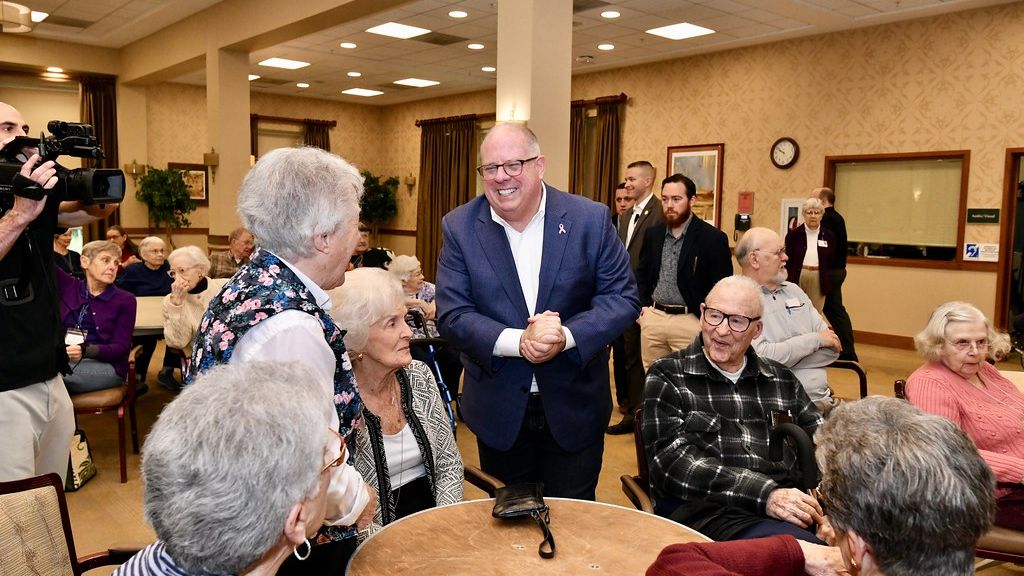
Retirement Communities Are Changing Fast – and Many Seniors Love the New Model – Image for illustrative purposes only (Image credits: Flickr)
Many older adults weighing their options for later life now confront a choice that once carried heavy emotional weight. The idea of leaving a familiar home for a structured setting often raised concerns about lost autonomy and limited social outlets. Yet recent shifts in how these communities operate are altering that calculation for a growing number of people.
From Basic Care to Active Daily Living
Developers have moved away from institutional models that emphasized medical oversight above all else. Newer facilities instead emphasize fitness centers, chef-prepared meals, and outdoor spaces that encourage movement throughout the day. Residents report greater satisfaction when daily routines include choices about exercise, meals, and leisure rather than fixed schedules imposed from above.
This approach aligns with evidence that sustained physical activity and personal decision-making support both physical health and mental sharpness in older age. Communities that integrate these elements see residents maintaining higher levels of engagement compared with older-style arrangements focused mainly on safety and basic needs.
Technology That Supports Rather Than Replaces Human Connection
Today’s residents often arrive with expectations shaped by decades of using smartphones and online tools. Facilities now routinely include reliable high-speed internet, telehealth options, and apps that let family members check in without constant visits. These features reduce isolation while allowing staff to monitor health indicators more efficiently.
Still, operators note that technology works best when paired with in-person activities rather than standing alone. Wearable devices and virtual visits can flag issues early, yet they cannot replace the value of shared meals or group classes that build genuine relationships.
Location Choices That Keep Residents Tied to Everyday Life
Older retirement developments frequently sat on large campuses far from city centers. New projects increasingly locate near public transit, shops, and medical services so residents can continue part-time work, volunteer roles, or regular outings. This placement reduces the sense of separation that once defined senior housing.
Proximity to urban amenities also supports continued independence for those who drive less or prefer walking. Analysts tracking housing trends observe that these connected sites attract residents who want to remain active participants in broader community life rather than stepping away from it entirely.
Social Opportunities That Address Loneliness Directly
Research consistently links social isolation in later life to higher risks of cognitive decline and poorer health outcomes. Modern communities respond by designing shared spaces and programs around resident interests, from book groups to gardening clubs and travel planning sessions. Many people who move in report forming friendships more readily than they did while living alone at home.
These connections often emerge organically through repeated, low-pressure interactions rather than forced events. Facilities that prioritize resident-led activities tend to see stronger long-term participation and lower turnover.
Supply Pressures That Could Shape Future Options
Demographic data show roughly 10,000 Americans reaching age 65 each day, driving occupancy rates upward in many markets. Construction of new communities has not kept pace in every region, leading some areas to develop waitlists and higher entry costs. This imbalance raises questions about affordability and availability for middle-income retirees in the coming years.
Experts continue to monitor whether increased building will ease these pressures or whether costs will remain elevated. The outcome will affect how widely the newer model of community living can spread beyond higher-income segments.
What Families and Planners Should Watch Next
- Continued integration of health monitoring tools with on-site wellness staff.
- Expansion of communities near transit and services in mid-sized cities.
- Policy discussions around subsidies or incentives to address potential housing shortages.
- Resident feedback on how well new amenities match actual daily needs rather than marketing promises.
The changes underway reflect a broader recognition that later life involves more than safety and medical support. For many individuals, the practical question now centers on which setting best preserves both autonomy and meaningful daily connections as circumstances evolve.