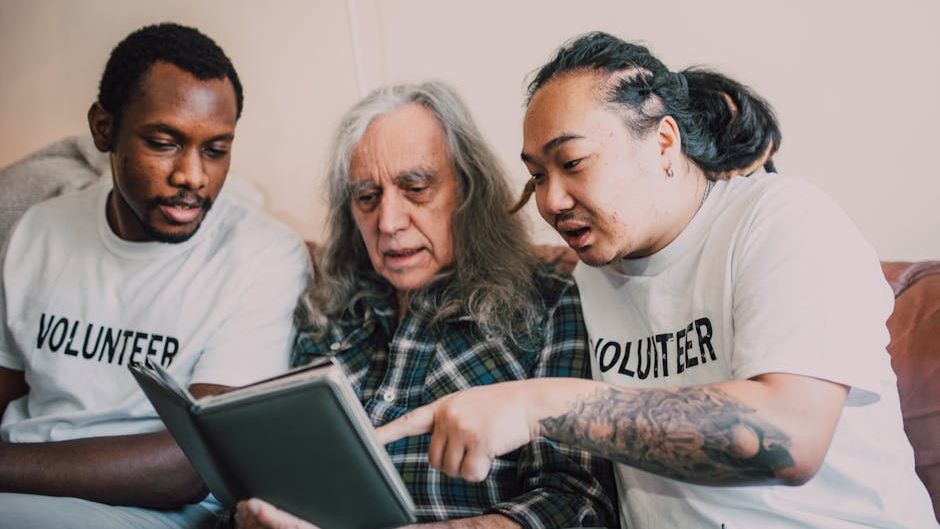
Local Charities Helping Seniors in Wisconsin – Image for illustrative purposes only (Image credits: Pexels)
Wisconsin seniors often find themselves navigating tight budgets and limited mobility in their own neighborhoods. Local charities, churches, and volunteer groups have stepped forward to fill those gaps with practical assistance that government programs sometimes overlook. From food deliveries in rural counties to safety repairs in Milwaukee homes, these efforts help older adults maintain independence without relying solely on official channels. The result is a patchwork of community support that reaches people where they live.
Starting Points for Urgent Needs
When a senior runs short on food or faces an immediate bill, quick action matters most. Food banks and pantries across the state serve as reliable first stops, with many offering senior-specific boxes or delivery options for those who cannot travel. Calling 211 Wisconsin connects callers to nearby pantries, churches, and ride programs in a single conversation, though it works best as a referral tool rather than a complete solution.
Residents in eastern counties can turn to Feeding America Eastern Wisconsin for pantry locations, while those in the south benefit from Second Harvest Foodbank maps that highlight mobile distributions. Hunger Task Force in the Milwaukee area adds another layer by linking low-income seniors to food boxes and application help. These groups emphasize that early calls prevent small shortages from becoming larger crises.
Faith-Based and Local Charity Options
Churches and faith organizations provide flexible, person-to-person aid that often includes groceries, utility assistance, or even a friendly visit. St. Vincent de Paul conferences at many Catholic parishes respond to requests for rent help or household items, though volunteers handle intake and response times vary by location. The Salvation Army offers similar one-time support for rent or utilities in communities where funding allows, typically requiring proof of need such as a shutoff notice.
Catholic Charities operates separate programs in Madison, Milwaukee, and Green Bay, with some focused on adult day services and memory care support. Community foundations rarely give cash directly but instead fund the nonprofits that do the hands-on work. Seniors who prepare a short description of their exact situation and deadline tend to receive clearer guidance during these calls.
Transportation, Repairs, and Caregiver Relief
Volunteer ride programs help older adults reach medical appointments and grocery stores when public options fall short. Groups such as InterFaith in Action and local Faith in Action chapters coordinate drivers for errands and visits, though most require advance scheduling and cannot guarantee same-day service. Eras Senior Network in Milwaukee and Waukesha counties adds transportation alongside friendly calls and seasonal yard help.
Home repair nonprofits address safety concerns like loose steps or missing grab bars that keep seniors from aging in place. Revitalize Milwaukee targets critical fixes for low-income homeowners, while Project Home in Dane and Green counties handles accessibility modifications and weatherization. Rebuilding Together Fox Valley and Habitat for Humanity affiliates prioritize older adults for ramps and basic safety work, though waitlists remain common for larger projects.
Caregiver support comes through organizations like the Alzheimer’s Association Wisconsin Chapter, which runs support groups and a 24-hour helpline, and the Wisconsin Parkinson Association for exercise and education sessions. Adult day programs at St. Ann Center and Catholic Charities of Milwaukee give family members short breaks, reducing burnout before it reaches a breaking point.
Legal Aid and Specialized Community Resources
Free legal clinics and civil aid groups handle eviction notices, debt issues, and benefit questions that charities cannot resolve alone. Legal Action of Wisconsin provides statewide intake for housing and elder rights cases, while Marquette Volunteer Legal Clinics and UW Neighborhood Law Clinic offer brief advice sessions. Free and charitable clinics listed by the Wisconsin Association of Free and Charitable Clinics fill gaps in primary care and medications for those without adequate insurance.
Additional programs serve specific populations. Tribal elders access culturally appropriate food boxes through the Great Lakes Intertribal Food Coalition, and the Milwaukee LGBT Community Center supports older adults with social programs. Spanish-speaking seniors in Milwaukee and Dane County can connect with Sixteenth Street Community Health Centers or Centro Hispano for referrals that respect language needs.
What matters now: Wisconsin seniors who prepare basic documents such as photo ID, proof of address, and any notices in advance receive faster responses from these groups. Starting with one clear request and asking for two referrals if help is unavailable keeps momentum going even when initial calls do not yield immediate results.
These local efforts demonstrate how Wisconsin communities continue to look out for their oldest residents through steady, practical help rather than large-scale promises. Seniors who reach out early and stay organized often find the support they need to remain safely at home.