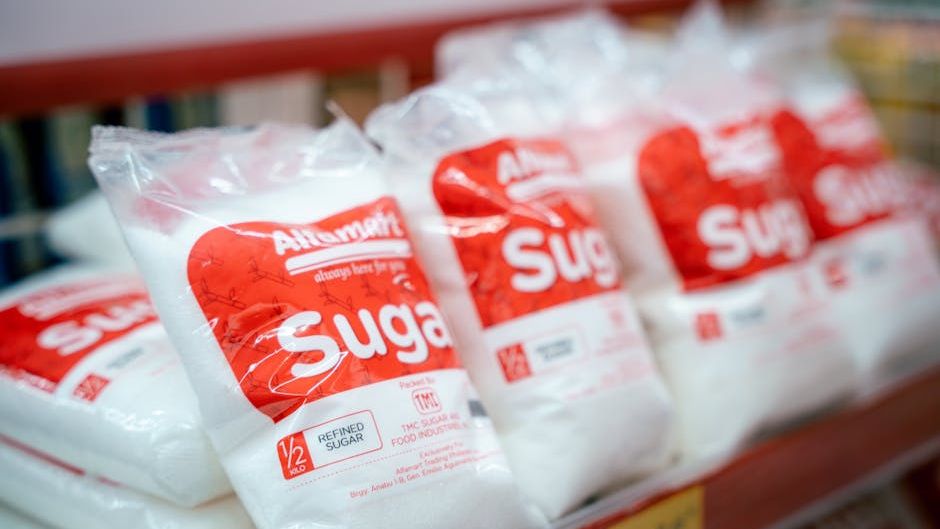
Sugar stocks fall up to 6% after Centre bans exports till September 2026 – Image for illustrative purposes only (Image credits: Pexels)
India’s decision to halt sugar exports until September 2026 has triggered an immediate sell-off in listed sugar companies. Shares across the sector dropped as much as 6 percent on the news, reflecting investor concern over lost overseas sales and thinner margins for mills. The move arrives at a time when domestic supplies are already tightening, adding pressure to an industry that had counted on exports to ease surplus stocks.
Immediate Market Response
Trading floors reacted swiftly once the government notification became public. Several major sugar producers saw their valuations shrink within minutes, with the steepest losses concentrated among firms that had built export pipelines in recent seasons. Analysts noted that the sell-off was broad-based rather than limited to a handful of players, underscoring how widely the policy shift is expected to affect earnings.
Volume in sugar stocks surged as investors adjusted positions. The decline erased recent gains that had been driven by expectations of steady overseas demand, leaving many counters trading near multi-week lows by the close of the session.
Core Concerns Driving the Sell-Off
The government’s export restriction directly reduces the revenue options available to mills. Without access to international buyers, producers must sell larger volumes inside the country, where prices are typically lower. This shift is expected to compress realisations and squeeze operating margins at a moment when raw-material costs remain elevated.
Domestic supply conditions are also tightening, which normally supports local prices. Yet the sudden loss of export outlets overrides that support in the short term, leaving mills with limited flexibility to manage inventory. Industry observers point out that the combination of restricted outlets and rising cane costs creates a difficult operating environment for the coming quarters.
Stakeholders Feeling the Pressure
Mill owners face the most direct impact. Many had planned production schedules around a mix of domestic and export sales; the ban forces a complete rethink of those plans. Farmers supplying cane to these mills may eventually feel secondary effects if lower realisations lead mills to delay payments or reduce procurement prices in future seasons.
Investors holding sugar equities have already absorbed the first round of losses. Portfolio managers are now reassessing exposure to the sector, weighing the possibility of further volatility until clearer signals emerge on domestic pricing and any future policy adjustments.
Timeline and Next Steps to Watch
The ban remains in force through September 2026, covering two full crushing seasons. During this period, mills will focus on maximising domestic offtake while managing working-capital needs without export inflows. Government agencies are expected to monitor stock positions closely and may announce additional measures if surplus builds faster than anticipated.
Market participants will track monthly production data, domestic wholesale prices, and any statements from the food ministry for clues on whether the restriction could be eased earlier. Until then, the sector’s performance will hinge on how efficiently mills adapt to a purely domestic market.
The policy change highlights the delicate balance between protecting local availability and supporting industry viability. Mills and investors alike now face a prolonged period of adjustment whose full effects will unfold over the next two seasons.