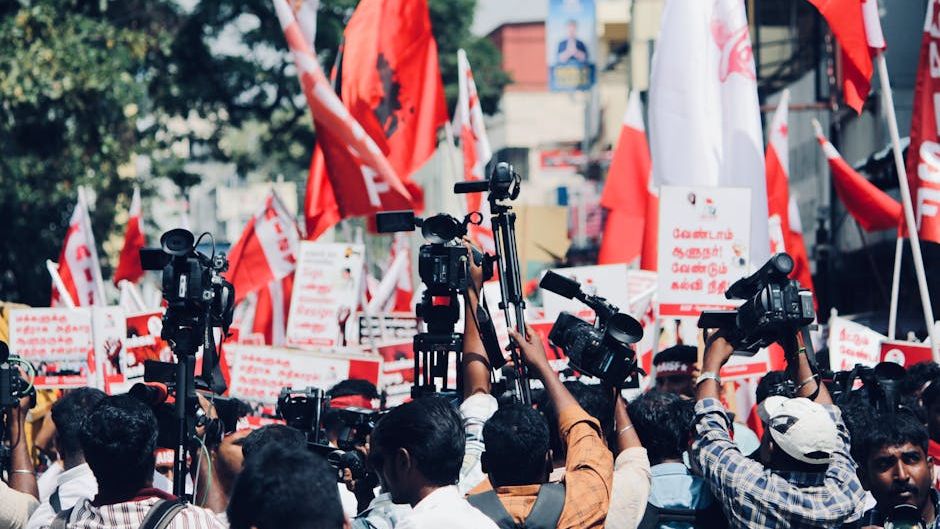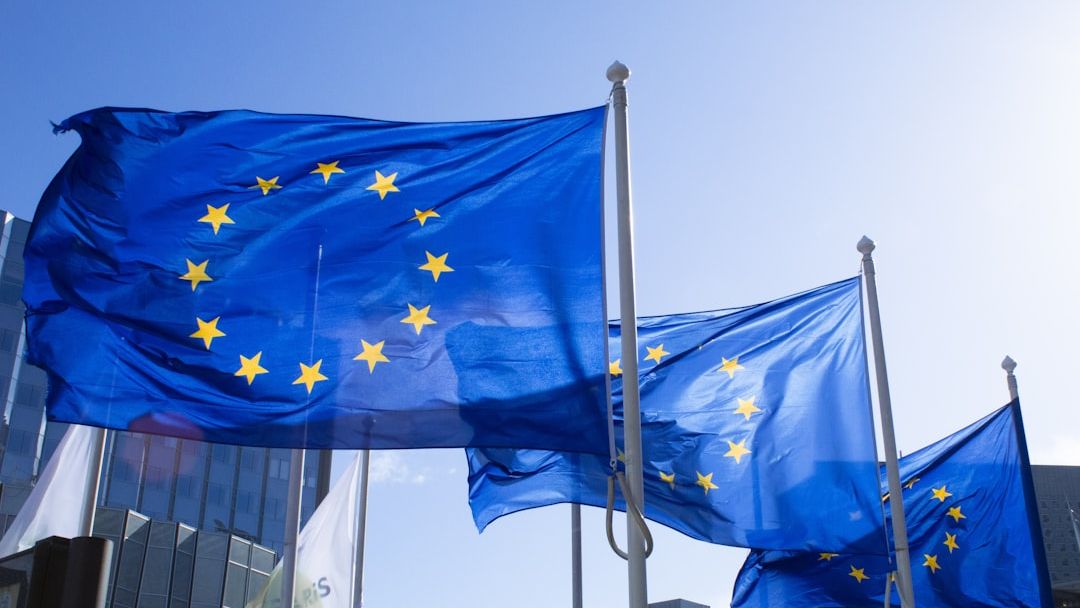
Meta dealt blow by EU court in landmark ruling on publisher payments – Image for illustrative purposes only (Image credits: Unsplash)
The Court of Justice of the European Union has delivered a clear signal that national authorities can step in to shape compensation deals between major online platforms and news organizations. The ruling centers on Italy’s communications regulator, AGCOM, and its authority to determine what Meta must pay for using snippets of press articles on Facebook and Instagram. This outcome arrives as publishers across Europe continue to press for sustainable revenue models amid shifting digital economics.
The Core of the Decision
Judges in Luxembourg examined whether Italian rules allowing a regulator to set payment terms conflicted with broader EU copyright protections. They concluded that a right to fair compensation for publishers aligns with EU law when it reflects the value of authorizing online use of their content. The decision directly addressed Meta’s challenge to AGCOM’s role, rejecting claims that the measures represented regulatory overreach.
The court emphasized that such arrangements must remain consistent with existing copyright frameworks while giving publishers leverage they often lack in direct negotiations. This interpretation strengthens the position of regulators in other member states facing similar disputes with dominant platforms.
Meta’s Arguments and Next Steps
Meta maintained that Italian measures duplicated rights already granted under European copyright law and that allowing a national body to dictate commercial terms went too far. The company, which also owns WhatsApp, stated it would review the full judgment and participate constructively once the case returns to Italian courts.
Despite the setback, Meta has not indicated any immediate change to its current practices for displaying news content. The firm continues to operate under existing licensing agreements while monitoring how the ruling influences enforcement actions elsewhere in the bloc.
Reactions From the Publishing Sector
The European Publishers Council welcomed the outcome as recognition of the imbalance publishers face when dealing with large technology companies. Executive director Angela Mills Wade noted that the decision acknowledges the need for transparency, data access, and protections against coercive tactics in negotiations.
She further highlighted that the ruling comes as AI-driven uses of journalistic material expand rapidly. Publishers argue that fair compensation is essential to sustain investments in quality reporting, particularly as platform-mediated distribution grows.
Wider Implications Across Europe and Beyond
Although the United Kingdom is no longer bound by Court of Justice rulings after Brexit, the judgment offers political momentum for ongoing work on the Digital Markets, Competition and Consumers Act. British ministers have been developing rules to require platforms to reach commercial agreements with news publishers, and the European precedent provides additional context for those efforts.
The decision also coincides with separate legal actions in the United States, where major publishing houses have sued Meta over the alleged use of books and articles to train its Llama language model. Those proceedings underscore a broader pattern of content creators seeking redress for unauthorized use of their work by technology firms.
Looking Ahead for Content Creators
Regional and independent publishers, along with freelance journalists, stand to benefit from clearer pathways to compensation. The ruling signals that platforms can no longer assume unrestricted access to editorial output without addressing the economic contributions of those who produce it.
Whether the resulting payments will prove sufficient to support high-quality journalism remains an open question. Still, the legal direction points toward greater accountability for gatekeepers that have long shaped the distribution of news online.