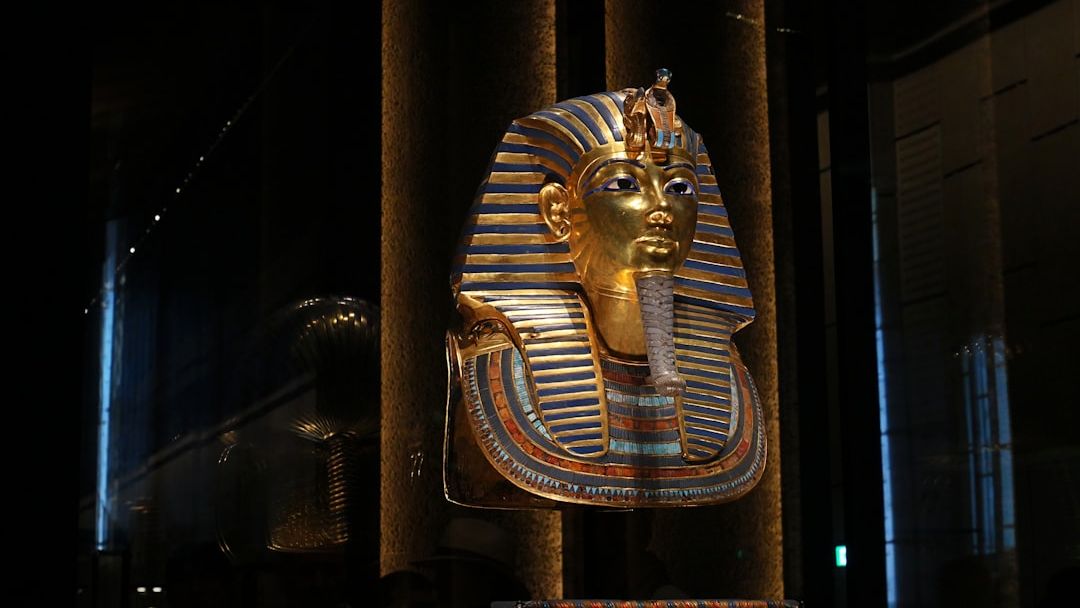
Egypt exhibits Tutankhamun tomb artifact and two restored New Kingdom tombs in Luxor – Image for illustrative purposes only (Image credits: Unsplash)
Luxor, Egypt – Egyptian authorities placed a rare plaster blocking wall from King Tutankhamun’s tomb on public view for the first time on May 14 at the Luxor Museum. The artifact, which once sealed the entrance to the burial chamber, carries official stamps that reflect ancient funerary practices and administrative oversight. At the same time, officials opened two fully restored tombs from the New Kingdom era on the West Bank of the Nile, giving visitors fresh access to vivid scenes of daily life and ritual from more than 3,000 years ago.
The Tutankhamun Wall Takes Center Stage
The plaster wall stands out as the only surviving example of its kind from the famous tomb discovered in 1922. It bears the seals of Tutankhamun himself along with those of the guards responsible for protecting the burial site. Displayed more than a century after the tomb’s opening, the piece offers a direct connection to the security measures used during the king’s interment. Officials described the wall as a key element in the burial process, one that had remained out of public sight until this week. The decision to exhibit it in Luxor rather than Cairo highlights the city’s growing role in showcasing New Kingdom artifacts. Visitors can now examine the stamps and plaster texture up close, gaining insight into how ancient Egyptians marked and secured royal burials.
Two Tombs Restored After Chance Discovery
The restored tombs belong to Amenhotep Rabuya and his son Samut, both of whom served as doorkeepers to the deity Amun during the 18th Dynasty. Rabuya’s tomb dates to the reign of Thutmose III, while Samut’s belongs to the time of Thutmose IV. Archaeologists uncovered the pair by chance in 2015 within the El-Khokha necropolis. Restoration work, supported in part by the Zahi Hawass Foundation for Heritage and Antiquities, has brought the colorful wall paintings back to life. The tombs now reveal detailed imagery of agriculture, pottery making, wine production, and funerary rituals. Hisham El-Leithy, secretary-general of Egypt’s Supreme Council of Antiquities, noted during the inauguration that the sites represent important additions to the region’s heritage offerings.
Scenes That Illuminate Daily Life and Ritual
The restored walls contain a rich array of imagery that captures both routine activities and sacred practices. Key elements include:
– Agricultural scenes showing planting and harvesting
– Craft depictions of pottery and wine production
– Funerary processions and offerings to the gods
– Religious symbols tied to the cult of Amun These details provide a window into the lives of mid-level officials who maintained temple access during a prosperous period of Egyptian history. The preservation effort ensures that future generations can study the techniques and symbolism preserved on the surfaces.
Heritage Efforts Strengthen Luxor’s Appeal
The simultaneous unveiling of the artifact and the tombs forms part of broader initiatives to highlight Luxor’s archaeological wealth. The city already draws visitors to the Valley of the Kings and other sites, and these new displays add layers of context to the New Kingdom period. By making previously unseen material accessible, authorities aim to deepen public understanding of ancient Egyptian burial customs and administrative systems. The plaster wall and the restored tombs together underscore the ongoing work of conservation teams across Egypt. Their efforts continue to bring long-hidden elements of the past into clearer view for researchers and the public alike.