
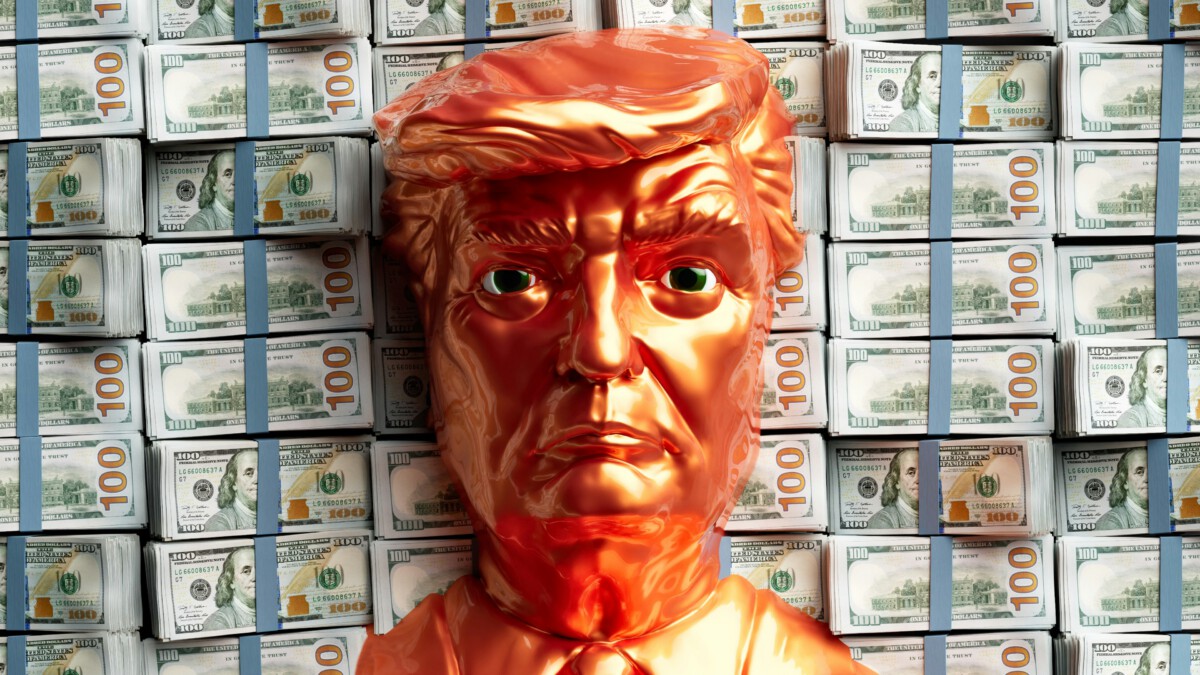
Donald Trump Defends China Purchasing US Farmland – Image for illustrative purposes only (Image credits: Unsplash)
President Donald Trump has raised concerns that restricting Chinese nationals from purchasing American farmland could lead to significant financial losses for U.S. farmers. His comments highlight a tension between national security priorities and the economic realities facing agricultural producers who rely on open land markets. The statement comes amid ongoing debates over foreign investment in critical sectors like food production.
Trump’s Direct Warning on Land Sales
During recent remarks, the president pointed out that farmers stand to lose substantial revenue if Chinese buyers are blocked from acquiring U.S. properties. He framed the issue as a straightforward matter of market access, noting that such transactions provide needed capital to American landowners. This position contrasts with calls from some lawmakers to tighten restrictions on foreign ownership of agricultural assets.
Trump emphasized that these sales represent voluntary deals between willing parties. Blocking them, he argued, would remove a key source of income for farmers already navigating volatile commodity prices and rising operational costs. The comments underscore his view that economic openness can benefit domestic producers even when foreign entities are involved.
Impact on Farm Economics and Food Supply
American farmers often face pressure to sell portions of their land to manage debt or fund expansions. Chinese buyers have participated in these markets, offering competitive prices that can exceed domestic offers in certain regions. Restricting this activity could reduce overall demand and depress land values, according to the president’s assessment.
Lower land prices might ease entry for new domestic buyers but could also limit the financial flexibility of current owners. This dynamic affects not only individual operations but also the broader stability of food production chains that depend on well-capitalized farms. Trump’s remarks suggest that preserving these transactions helps maintain the economic health of rural communities.
Balancing Security Concerns With Market Realities
Debates over foreign land ownership frequently center on national security risks, including potential influence over food supplies. Yet Trump’s stance prioritizes the immediate financial stakes for farmers who depend on robust buyer pools. He has not dismissed oversight entirely but has cautioned against measures that could unintentionally harm U.S. producers.
Policy discussions in this area continue to weigh regulatory safeguards against the benefits of international investment. Trump’s comments add a practical dimension, reminding stakeholders that abrupt limits on sales carry direct costs for those working the land. The approach reflects a focus on outcomes that support agricultural viability while addressing legitimate oversight needs.
Key point: Trump maintains that open access to land buyers, including from China, supports farmer incomes and prevents unnecessary economic strain in rural America.