

What the Typical Monthly Check Looks Like

The average Social Security retirement benefit sits around two thousand seventy one dollars per month in early 2026 according to Social Security Administration estimates. That figure comes after the two point eight percent cost of living adjustment applied at the start of the year. For many recipients this translates to roughly twenty five thousand dollars annually before any taxes or deductions.
Benefits vary widely based on lifetime earnings and when someone claims them. Those who wait until age seventy can receive the maximum of over five thousand dollars monthly in some cases. Still the typical check remains modest for the majority of retirees who draw closer to the average amount.
Millions Who Depend on This Income Exclusively

Nearly twenty two million seniors rely on Social Security as their only source of retirement income based on a two thousand twenty five study from The Senior Citizens League. This group often includes people who worked in lower paying jobs or faced career interruptions. Their monthly budget must stretch across every essential without room for extras.
Experts note that this reliance has stayed steady even as overall retirement savings have grown for some households. Living solely on these payments requires careful planning around fixed costs. Many in this situation report feeling secure on basics yet vulnerable to any unexpected bill.
How Social Security Keeps Many Above Poverty

Without Social Security benefits the poverty rate among adults age sixty five and older would reach thirty seven point six percent according to Center on Budget and Policy Priorities analysis of recent census data. With the payments included that rate drops to ten point three percent. The program lifts nearly seventeen million older adults above the official poverty line each year.
This protective effect holds across most states where senior poverty stays below ten percent once benefits arrive. The impact proves especially strong for widows and those with limited work histories. Still the remaining ten percent shows that even with Social Security some households continue to struggle.
Comparing Benefits to Everyday Retirement Costs

Average annual spending for retirees hovers near sixty thousand dollars based on recent Bureau of Labor Statistics figures and related reports. The typical Social Security check covers less than half of that total for most people. This gap forces many to cut back on travel dining out or even routine maintenance around the home.
Those with higher lifetime earnings often receive larger checks that close more of the difference. Yet even the maximum benefit at full retirement age leaves limited margin once housing and health costs enter the picture. Retirees frequently describe the need to prioritize and simplify their lifestyles to stay within the income.
The Challenge of Housing on a Fixed Income
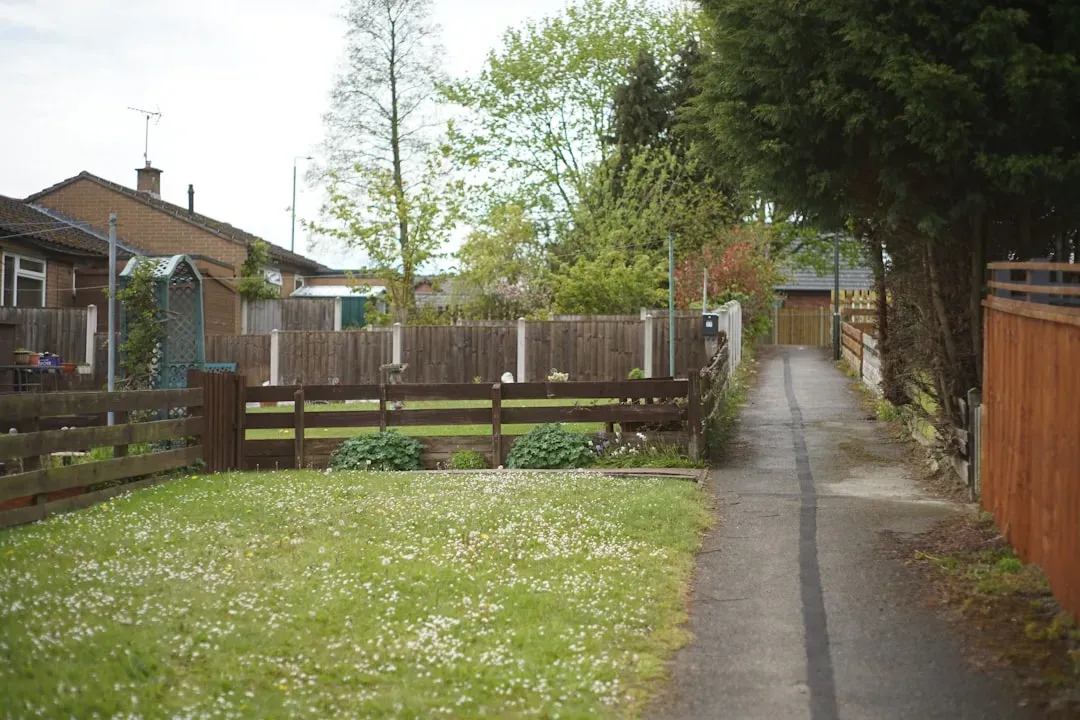
Housing stands out as the largest single expense for most retirees and often consumes thirty to forty percent of a Social Security check. In higher cost areas rents or property taxes can quickly eat into the entire monthly payment. Many seniors stay in homes they own outright to avoid this pressure though maintenance still adds up.
Those who rent face ongoing adjustments when leases renew. Some move to smaller apartments or shared living arrangements to keep costs manageable. The result is a constant balancing act between location comfort and affordability.
Healthcare Needs That Add Up Quickly

Medicare premiums and out of pocket medical costs represent another major draw on Social Security income. Even with coverage many retirees report spending several hundred dollars monthly on prescriptions dental care or vision needs. Unexpected health events can push budgets into the red without additional savings.
Supplemental insurance helps some people but adds its own premium expense. Those living solely on benefits often shop carefully for generic medications and use community clinics. The system works for routine care yet leaves little buffer for serious illness.
Food, Utilities, and Other Basics

Groceries and household utilities typically take another twenty to twenty five percent of the average benefit. Prices for staples have risen in recent years which squeezes the remaining dollars after rent and health costs. Many retirees turn to discount stores or meal planning to stretch what they have.
Transportation adds further pressure especially for those who still drive. Public transit or occasional rides from family members become common solutions. Overall these everyday items leave modest room for clothing entertainment or small gifts.
Variations by Location Across the Country

Costs differ sharply by region with lower expenses in states like Mississippi or Arkansas compared to California or New York. In affordable areas the average check can cover most necessities with careful management. Higher cost states often require additional income sources or relocation decisions.
Local taxes and utility rates play a big role in these differences. Some retirees move south or to smaller towns after leaving the workforce to improve their financial picture. The same benefit amount buys noticeably more comfort in certain parts of the country.
Ways Some Seniors Stretch Their Benefits

Delaying claims until full retirement age or later increases the monthly amount for those who can afford to wait. Others combine part time work or small pensions with their Social Security to fill gaps. Downsizing homes or sharing expenses with family members also helps many households stay balanced.
Community programs for meals or transportation provide extra support in some areas. Careful budgeting and avoiding debt keep spending aligned with income. These approaches allow a comfortable though modest retirement for people who plan ahead.
Overall Outlook for Living Solely on These Payments

Social Security alone supports a basic lifestyle for millions yet falls short of what most consider comfortable retirement. The average check works best when paired with low housing costs and good health. Those with higher benefits or fewer expenses often report greater satisfaction.
Future adjustments through cost of living increases will help but inflation in key areas like housing and healthcare remains a concern. Planning with other savings or part time income offers the strongest path forward. In the end the program provides a vital foundation though individual results vary widely.