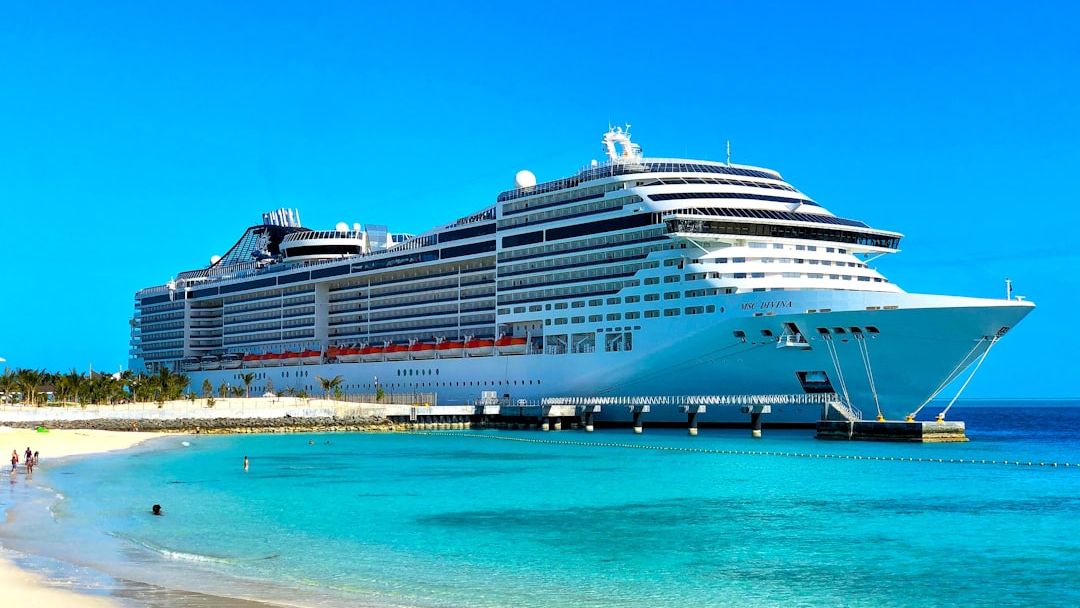
Hantavirus: What Retirees Need to Know Before Boarding a Cruise Ship This Summer – Image for illustrative purposes only (Image credits: Unsplash)
As summer travel plans take shape, many retirees are finalizing bookings for cruise vacations that promise relaxation and new destinations. Recent reports of a rare hantavirus situation have prompted questions about shipboard safety, particularly for older adults who may face higher vulnerability to certain illnesses. Health authorities continue to stress that norovirus remains the more frequent and relevant concern in these settings, providing a clearer picture of where attention should focus.
Why Hantavirus Has Entered the Conversation
Hantavirus infections are uncommon in the general population and even less typical in the controlled environment of a modern cruise ship. The virus spreads primarily through contact with rodent droppings or urine in outdoor or rural settings, conditions that differ markedly from the hygiene standards maintained on vessels. When isolated cases appear, they often trace back to specific land-based exposures rather than ship operations themselves. This limited transmission pattern helps explain why experts classify such events as outliers rather than widespread threats.
Norovirus Remains the More Common Challenge
Norovirus, by contrast, circulates more readily in close-quarters environments like cruise ships, where large groups share dining areas, pools, and common spaces. The illness causes short-term gastrointestinal symptoms that can affect passengers of any age, though recovery is usually straightforward with rest and hydration. Cruise lines already implement routine sanitation protocols and rapid response measures precisely because norovirus outbreaks occur with greater regularity than hantavirus incidents. Retirees planning trips benefit from recognizing this established pattern rather than focusing on rarer possibilities.
Putting Risks in Perspective for Older Travelers
Age can influence how any illness is experienced, yet the data show that basic preventive habits address the majority of shipboard health issues effectively. Hand hygiene, attention to food and water safety, and prompt reporting of symptoms to onboard medical staff form the core of recommended practices. These steps align with guidance already issued for seasonal travel and do not require special adjustments tied to hantavirus.
What matters now
Focus on proven norovirus prevention while treating hantavirus reports as isolated information rather than a reason to alter summer plans.
Forward Planning Without Overreaction
Travelers can review their cruise line’s published health policies and vaccination records before departure to feel more prepared. Consulting a personal physician about general travel fitness remains useful for anyone with underlying conditions. In the end, the combination of standard precautions and awareness of the actual frequency of different illnesses supports confident decision-making for retirees heading out this season.