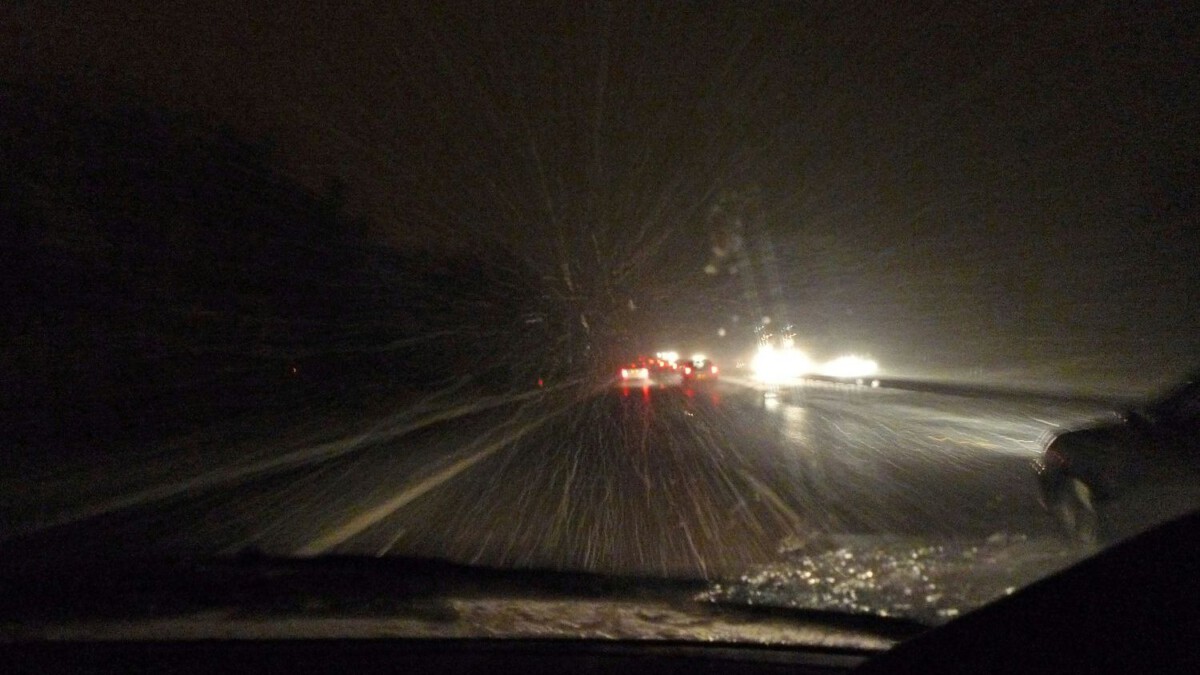
Heavy Snow Warning in Colorado, Wyoming as 30 Inches To Hit: 'Hazardous' – Image for illustrative purposes only (Image credits: Unsplash)
High in the Rockies, where spring wildflowers typically emerge by early May, a stubborn winter storm system instead promises deep snow cover. The National Weather Service issued warnings for parts of Colorado and Wyoming, forecasting accumulations up to 24 inches in many spots with local maxima reaching 30 inches possible.[1][2] Officials highlighted risks to power lines and roadways as the event unfolds from late Tuesday into midweek.
Forecast Calls for Intense Mountain Snowfall
The Boulder office of the National Weather Service detailed a Winter Storm Warning for elevated terrain in northern and central Colorado. Accumulations of 10 to 24 inches appeared likely above 6,000 feet, with the heaviest falls concentrated above 8,000 feet.[1] These projections stemmed from probabilistic models showing high confidence in substantial totals during the 72-hour window.
Wyoming faced parallel threats, particularly along the shared border regions. Reports indicated up to 24 inches at locations like Battle Pass and the Snowy Range, where heavy, wet snow compounded the challenge.[3] Winds gusting to 45 mph in some areas further amplified the storm’s reach, scattering powder and reducing visibility.
Timelines aligned closely across both states. Impacts peaked late Tuesday through Wednesday, with snow rates potentially exceeding an inch per hour during the most vigorous bands.[1]
Areas Facing the Heaviest Burdens
Specific Colorado zones drew the sharpest focus. The warning encompassed south and east Jackson, Larimer, north and northeast Grand, and northwest Boulder counties above 9,000 feet. Lower slopes between 6,000 and 9,000 feet in Larimer and Boulder counties also qualified for the alert.
- Willow Creek Pass and Glendevey
- Red Feather Lakes and Rocky Mountain National Park
- Rabbit Ears Range and Estes Park
- Laramie and Medicine Bow Mountains
- Nederland and Cameron Pass
These border-proximate sites underscored Wyoming’s involvement, as Medicine Bow Mountains straddle state lines.[1] A broader Winter Storm Watch extended to high ground south and southeast of Grand County, west-central and southwest Boulder, Gilpin, Clear Creek, Summit, and north and west Park counties above 9,000 feet.
In Wyoming, the Sierra Madre Range and Snowy Range, including Albany and Centennial, braced for 12 to 20 inches. Battle Pass stood out with the top forecast at 24 inches over two days.[3]
Travel and Infrastructure Under Siege
Forecasters emphasized hazardous travel as the primary concern. Roads through affected passes could become impassable, especially late Tuesday when snow intensified.[1] Even lower elevations under the watch faced slick conditions, threatening Wednesday morning commutes west of I-25 in areas like Fort Collins, Boulder, and Denver.
Power disruptions loomed large due to the snow’s weight. Heavy accumulations threatened to snap tree branches onto lines, sparking outages in rural and foothill communities.[1] Past similar events in the region had demonstrated this vulnerability, with wet snow proving particularly burdensome.
Interstate highways like I-70 and routes near Rocky Mountain National Park risked closures. Commuters and truckers received direct counsel to delay trips, as visibility plunged amid blowing snow.[4]
Lower foothills and urban fringes expected 3 to 9 inches, enough to snarl traffic on colder surfaces despite milder totals.[1] Authorities urged monitoring updates closely.
Late-Season Surprise in the Rockies
This storm arrived as an unwelcome May visitor, contrasting recent warmer spells. Late-season systems often deliver wetter snow, heightening infrastructure strain compared to drier winter blasts.
Neighboring offices echoed the urgency. The Cheyenne forecast office highlighted elevated risks near the Colorado line, while probabilistic tools from multiple NWS sites projected the full spectrum of outcomes.[5] Grand Mesa in Colorado and Salt River Ranges in Wyoming joined the high-end totals list from earlier advisories.[3]
Residents recalled prior May storms that buried passes and isolated towns, reinforcing the need for vigilance. The event recalled broader patterns in the Mountain West, where spring transitions remain unpredictable.
As flakes begin to fly tonight, communities from Estes Park to Snowy Range passes prepare for isolation and inconvenience. The NWS stressed proactive measures, ensuring this late-season punch lands with minimal lasting harm.