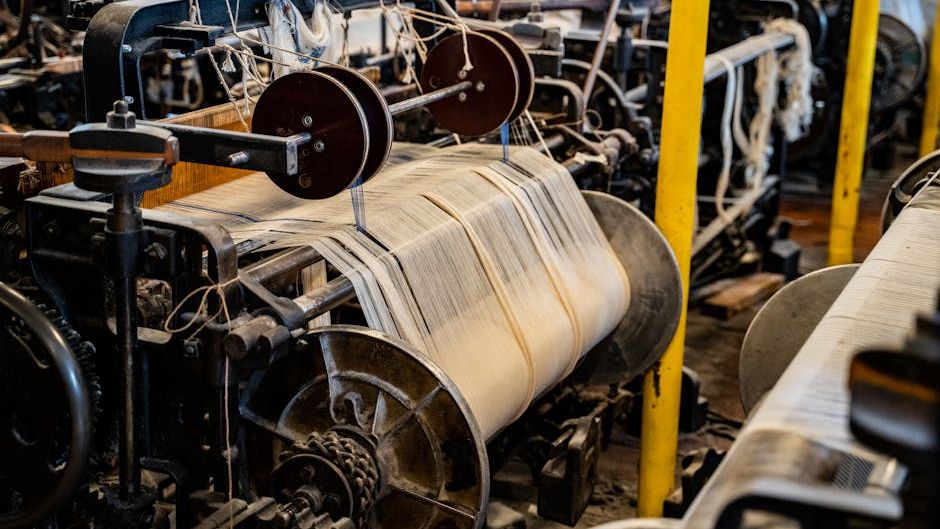
Industrial Revolution Brewing. I Saw It in Pittsburgh – Image for illustrative purposes only (Image credits: Pexels)
In a Pittsburgh workshop, a compact robot glides along a curved steel surface designed to mimic a nuclear submarine reactor. The machine scans for tiny cracks and corrosion with precision that human inspectors struggle to match. This scene captures a quiet shift underway in American manufacturing, where technology firms are rethinking how critical infrastructure gets built and maintained.
Robotics Meet Real-World Demands
Companies in the region focus on tools that address immediate needs in defense and energy sectors. Gecko Robotics, for instance, develops machines that climb and inspect large metal structures without halting operations. Their systems deliver data on material integrity faster than traditional methods allow.
These advances come at a time when supply chains face pressure from global competition. Engineers emphasize practical results over flashy prototypes. The goal remains steady output and reduced downtime for facilities that power national security.
Defense Sector Sees Early Gains
Maintenance tasks in shipyards and power plants often involve repetitive checks under harsh conditions. Automated solutions cut exposure for workers while improving accuracy. Early deployments show measurable drops in inspection times and fewer missed defects.
Yet challenges persist. Integration with existing equipment requires careful calibration. Teams continue testing across varied environments to confirm reliability before wider rollout. Progress stays incremental rather than overnight transformation.
Broader Manufacturing Implications
The Pittsburgh activity reflects wider efforts to strengthen domestic production capabilities. Startups combine software, sensors, and mechanical design to tackle problems that once demanded large teams. This approach could extend beyond defense into commercial sectors like pipelines and refineries.
Observers note that success hinges on sustained investment and workforce training. Skilled technicians remain essential to operate and refine these systems. Without that foundation, even advanced tools risk underuse.
What Matters Now
Key points include faster inspections, lower risk for personnel, and stronger data for decision-making. Continued testing will determine how far these methods scale across industries.
The developments in Pittsburgh offer a grounded example of how targeted innovation can address longstanding vulnerabilities in American industry. Steady refinement of these technologies may prove more decisive than any single breakthrough.