
The Density Dilemma
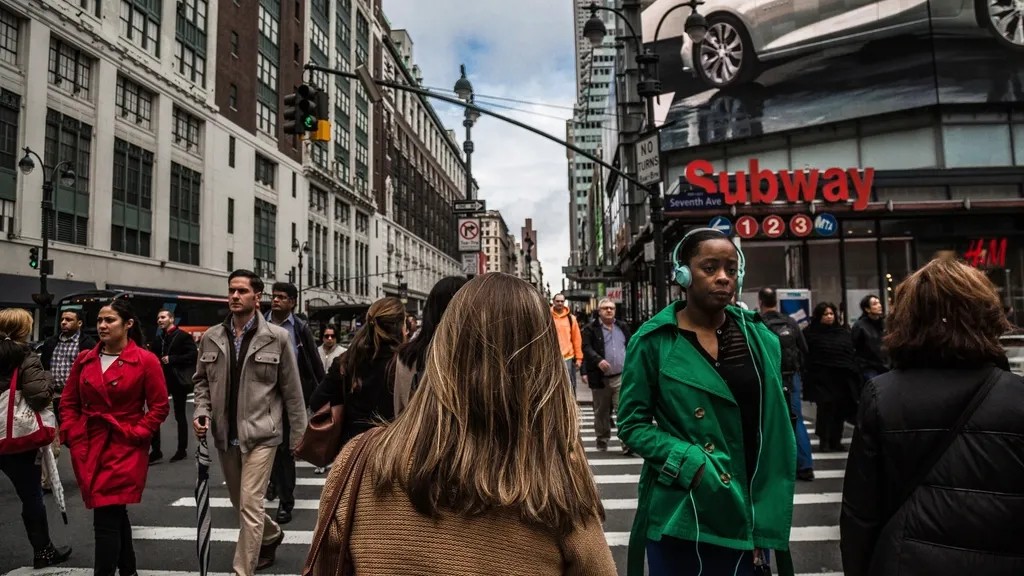
New York City’s population density tops 27,000 people per square mile, cramming millions into tight spaces that force constant motion. This setup turns every street into a river of humanity, where slowing down means getting swept aside or causing a pileup. Pedestrians naturally pick up speed to weave through the throng, hitting around 4 miles per hour without even thinking about it. In contrast, sprawling suburbs across the country spread folks out, so walking feels leisurely rather than urgent. Lower density means fewer collisions to dodge, letting paces drop to a more relaxed 3 miles per hour on average. Environment shapes this rhythm daily, turning sidewalks into speedways by sheer necessity. New Yorkers adapt early, their strides lengthening to match the urban pulse that never pauses.
Studies from recent years highlight how such crowding boosts velocity through flow dynamics alone. People subconsciously sync with the crowd, accelerating to avoid bottlenecks at crosswalks or subway entrances. This isn’t just habit; it’s survival in a city where space is premium. Meanwhile, in less packed regions like the Midwest, wide-open blocks invite dawdling chats or phone scrolls mid-stride. The result shows up in pedestrian data, with urban densities correlating directly to quicker gaits. New York leads this trend, its residents clocking higher speeds year-round. Even tourists pick up the pace after a day or two, proving the environment’s pull is immediate and strong.
Public Transit Push
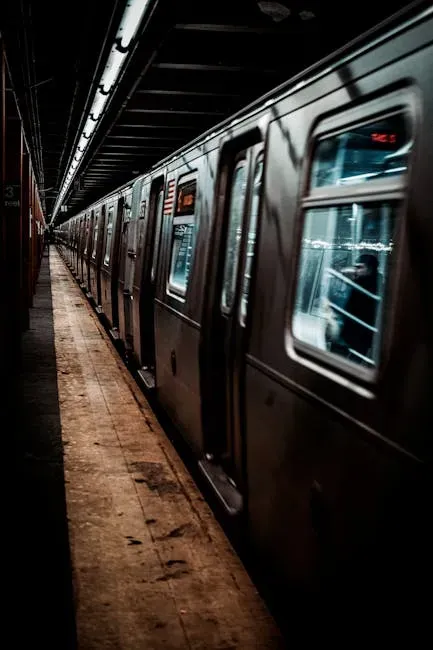
Over half of New York commuters depend on public transportation or their own feet, making walking a core part of every trip. This reliance builds efficiency into the lifestyle, as folks hustle from apartment to subway in minutes flat. Transfers between lines demand brisk paces to catch the next train, embedding 4-mile-per-hour speeds as routine. In most U.S. cities, car use dominates with rates far below that 50 percent mark, sidelining walking to occasional errands. Drivers park close to destinations, so pedestrian distances stay short and unhurried. New York’s grid demands covering blocks quickly, turning commutes into speed drills. This transit culture wires brains for perpetual motion, unlike car-heavy zones where strolling is rare.
Recent commuter surveys from 2023 underscore this divide, showing New Yorkers averaging over 40 minutes each way on foot or rail. That time crunch sharpens focus on pace, eliminating meandering. Foot traffic surges during rush hours, compelling even casual walkers to match the flow. Other cities, with drive-thru everything, foster slower habits since walking integrates less into daily life. Subway stairs and platform dashes condition legs for power over leisure. The habit sticks, with New Yorkers maintaining brisk strides even on weekends. Public systems thus amplify urban speed, setting the city apart from auto-dependent peers.
Time Pressure Turbine
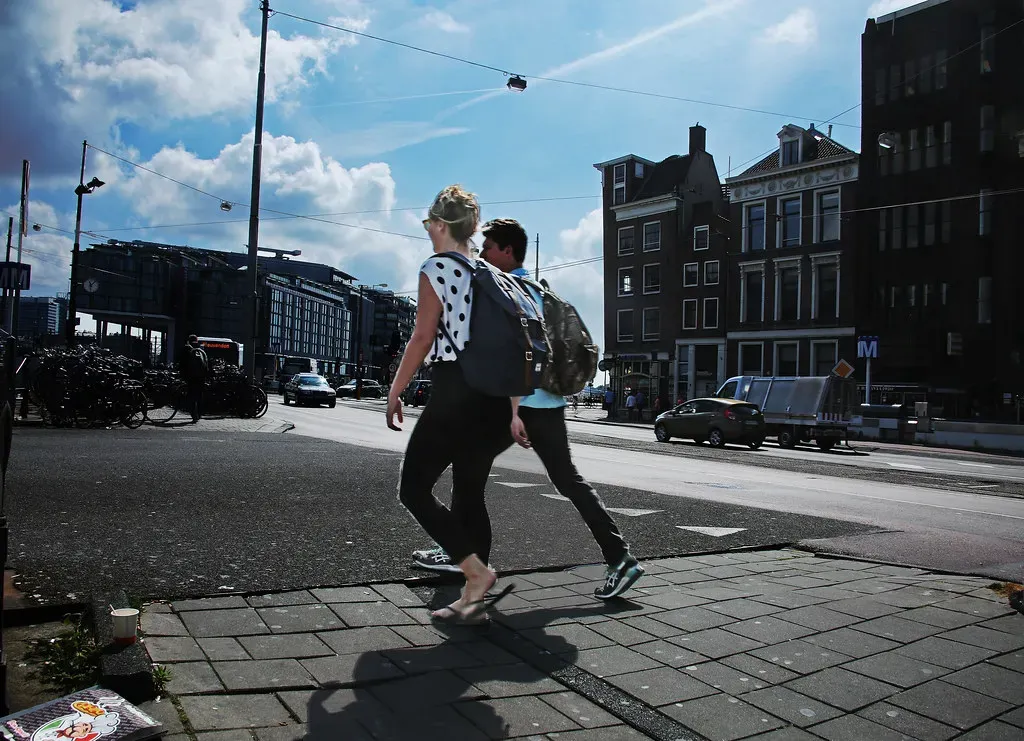
Long commutes exceeding 40 minutes one way ratchet up the urgency for New Yorkers, fueling their 4-mile-per-hour clip. Every second counts when linking home, work, and errands across boroughs, so strides elongate naturally. Deadlines loom larger in a hub of finance and media, where tardiness costs real opportunities. This pressure cooker environment trains bodies to move efficiently, prioritizing velocity over scenery. Suburban counterparts face shorter walks buffered by cars, allowing unpressured paces around 3 miles per hour. The city’s relentless schedule imprints haste as default, even off-peak. Walkers internalize this, their internal clocks ticking faster amid the hustle.
Data from 2024 pedestrian studies link such time squeezes to sustained high speeds in dense metros. New Yorkers report feeling the drag of delays acutely, prompting preemptive quickening. Crowded avenues amplify this, as one slowpoke ripples backward. In car-centric areas, buffered drives dull this edge, keeping walks casual. Habitual rushing builds muscle memory for briskness, noticeable in gait analyses. Even leisure outings carry residual speed from daily grinds. Time’s tyranny thus elevates New York strides above national norms.
Car Culture Drag
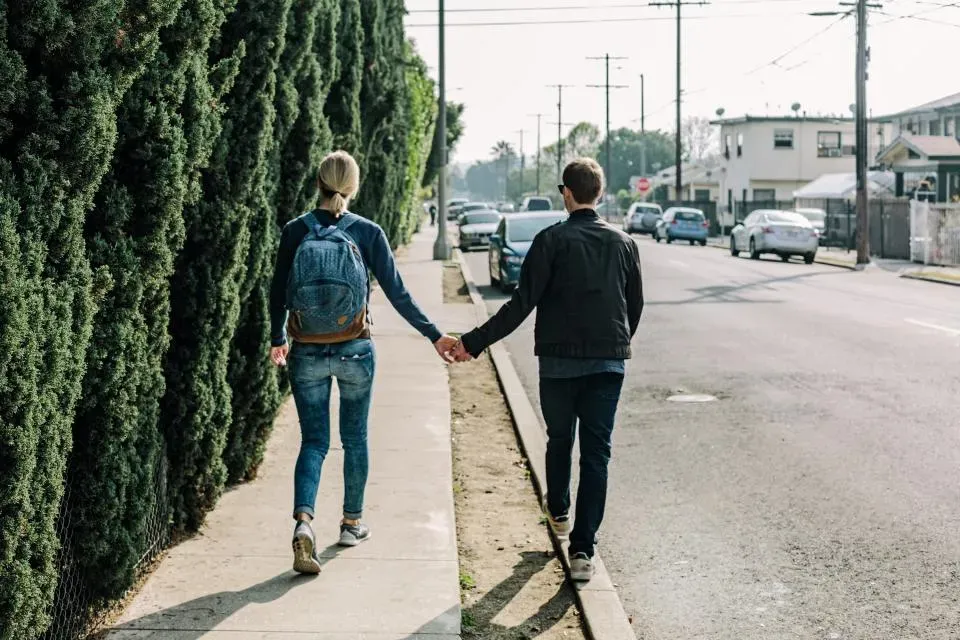
Cities leaning heavily on cars see pedestrian speeds lag, as walking fades from everyday routines. In places like Los Angeles or Houston, drives replace strides, so sidewalks host fewer practiced walkers. This disuse leads to rustier gaits, hovering below 3.5 miles per hour when feet do hit pavement. New York’s car aversion flips this, with walking woven into the fabric of survival. Urbanites there log miles daily, honing efficiency through repetition. Auto dominance elsewhere breeds complacency, turning rare walks into slogs. The contrast sharpens in national walkability metrics, pitting foot-powered hubs against wheel-bound sprawl.
Recent urban mobility reports from 2025 confirm slower paces in car-reliant regions due to infrequent practice. Parking lots to doorsteps minimize distance, eroding speed instincts. New Yorkers, transit-bound, treat streets as highways for legs. Behavioral shifts emerge over years, with transplants accelerating to fit in. Car cultures prioritize comfort over clip, diluting pedestrian prowess. This gap widens during visits, as out-of-towners gasp at the pace. Environment dictates, slowing the rest of America while New York surges ahead.
Crowd Flow Physics
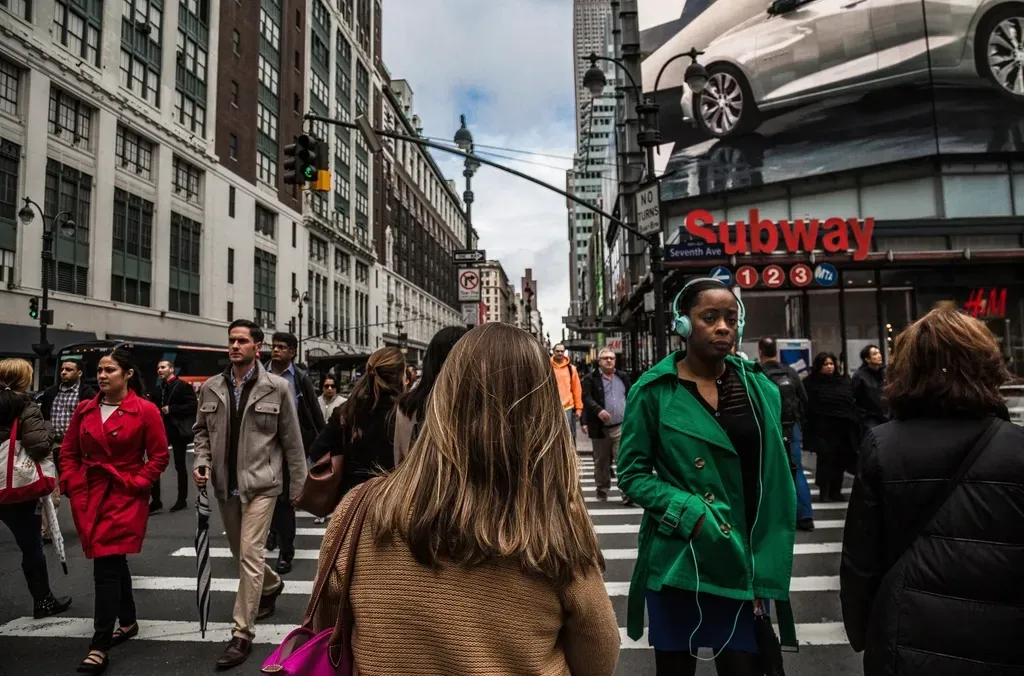
Busy urban zones trigger subconscious speed boosts, as walkers tune into surrounding rhythms. Research captures this in New York, where dense flows push averages to 4 miles per hour amid the press. Individuals match or exceed the group pace to glide through, avoiding clashes. This herd dynamic thrives in high-traffic spots like Times Square, enforcing briskness. Sparser areas lack this nudge, letting speeds dip naturally. The phenomenon persists beyond crowds, conditioning steady quickness. Physics of movement thus favors the fast in packed cities.
Pedestrian studies through 2024 model these adjustments precisely, showing micro-accelerations in flow. New Yorkers navigate intuitively, their steps syncing like a school of fish. Outliers slow the stream, prompting upstream hastening. Regional differences stem from crowd exposure levels, with rural walks solitary and slack. Even solo New York strolls carry crowd-trained vigor. This adaptive edge keeps the city clipping while others amble. Flow rules the rhythm, unyieldingly.
Sidewalk Supremacy
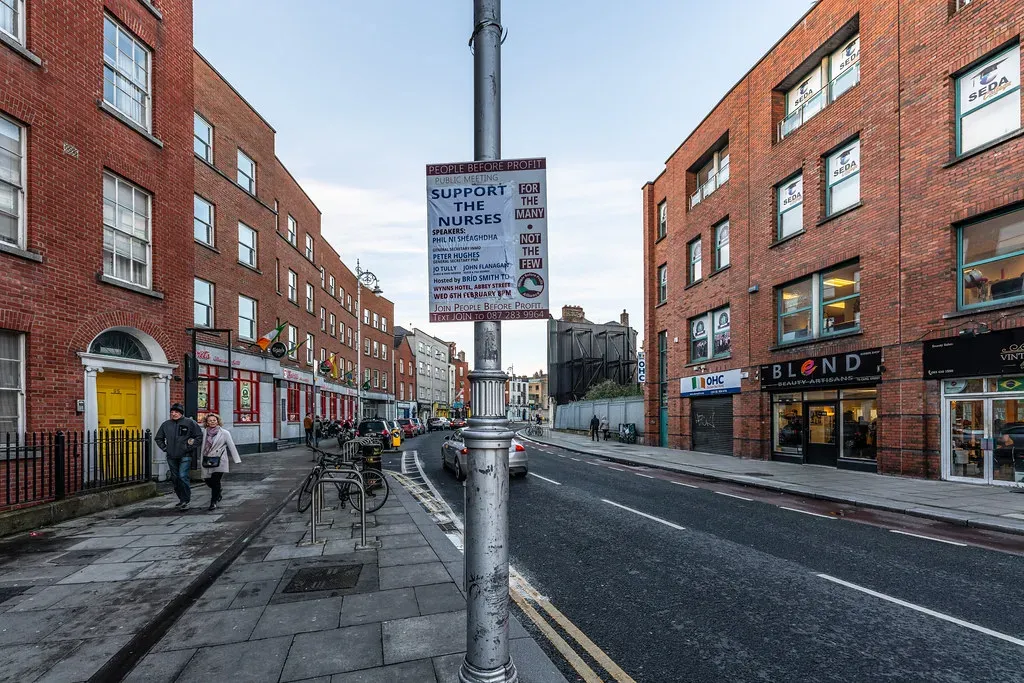
New York boasts top-tier walkability scores, thanks to wide, connected sidewalks threading the grid. This infrastructure supports seamless 4-mile-per-hour treks, minimizing stops or detours. Crosswalks sync with lights, propelling continuous motion across avenues. Inferior setups elsewhere bottleneck paces, dropping speeds in narrower or broken paths. The city’s layout rewards speed, turning blocks into efficient circuits. Density demands durable paving, sustaining high-volume traffic. Superior design elevates everyday strides profoundly.
2023 walkability indexes rank New York highest, crediting connectivity for faster habits. Signals time for crowds, preventing halts that fragment flow. Regional sidewalks often prioritize cars, squeezing pedestrian space. New Yorkers exploit every inch, their gaits optimized by terrain. Maintenance keeps surfaces smooth, aiding glide. This built advantage compounds with use, widening the speed chasm. Infrastructure literally paces the people.
Habitual Hustle Buildup
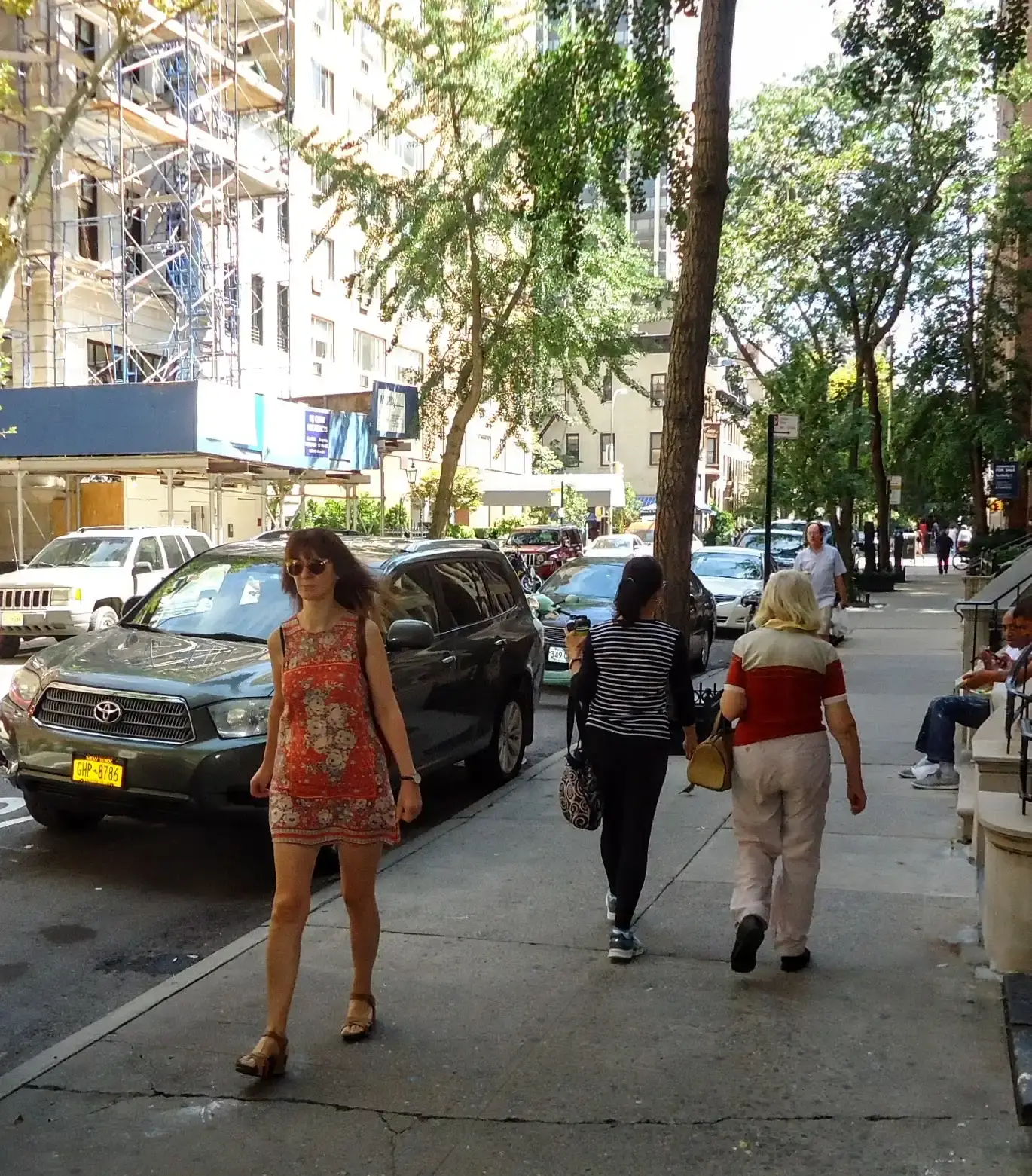
Constant fast-paced immersion conditions New Yorkers to sustain 4 miles per hour around the clock. Daily exposure rewires rhythms, carrying over from rush to repose. Transplants adopt it within weeks, their old slowness shed. This persistence shines in gait trackers, showing elevated baselines. Less intense environments elsewhere preserve leisurely norms. Urban conditioning proves durable, outlasting single walks. Habits harden through repetition’s forge.
Behavioral research in 2025 traces these imprints to neural adaptations from speed norms. New Yorkers idle faster, their default stride quickened. Vacations barely dent it, with paces rebounding homeward. Counterparts lack this training ground, sticking to comfort speeds. The city’s tempo embeds deeply, behavioral residue lingering. Even remote work eras couldn’t fully unwind it. Hustle becomes heartbeat.
Walkability’s Lasting Edge
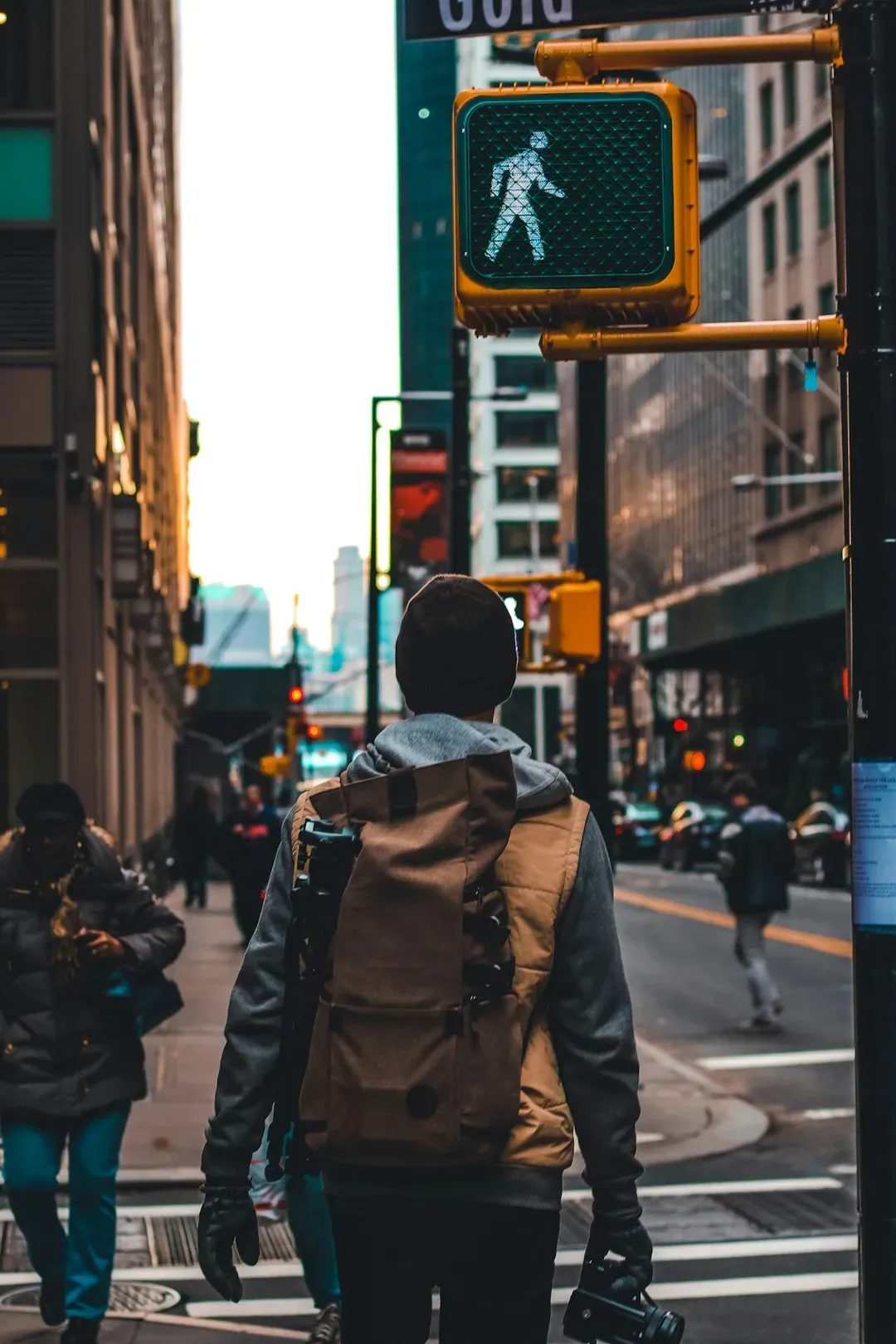
High walkability rankings propel New Yorkers ahead, fostering frequent, fleet-footed outings. Top scores reflect a lifestyle where feet rule, averaging superior speeds. This encouragement loops back, more walking sharpening skills further. Other cities trail, their lower scores mirroring sluggish strides. The metric captures real differences in motion culture. New York’s edge endures, baked into urban DNA. It sets a benchmark few match.
Updated 2025 data ties scores to velocity directly, with walkable zones clocking higher MPHS. Density plus design create virtuous cycles of speed. National contrasts highlight environmental sway over innate pace. New Yorkers embody this pinnacle, their 4-mile clip a testament. The rest adapt slower, bound by lesser layouts. Ultimately, place molds the march, leaving the city untouchable.