
Flavored Yogurt

Many flavored yogurts line grocery store shelves with promises of being a healthy choice for breakfast or a quick snack. They often feature bright packaging and words like “fruit on the bottom” or “probiotic-rich,” which make them seem like a smart pick. Yet a single serving can pack 15 to 25 grams of sugar, sometimes more than a candy bar. Manufacturers add fruit juice concentrates, cane sugar, and even high-fructose corn syrup to boost flavor after removing fat. This hidden sugar sneaks up because labels list it under names like dextrose or maltose, spreading it across ingredients to downplay the total. The average adult aims for just 25 to 36 grams of added sugar daily, so one yogurt can eat up nearly the whole limit. Low-fat versions crank it even higher to compensate for lost creaminess. People end up with energy spikes followed by crashes, craving more sweets later.
Switch to plain Greek yogurt instead, which keeps sugar under 10 grams naturally from milk lactose alone. Mix in fresh berries or a drizzle of honey for taste without the overload. This way, you get protein and probiotics minus the sugar trap. Check labels for “no added sugar” certifications to stay safe. Portion control helps too, sticking to half a cup at a time. Your body will thank you with steadier energy through the day. Over time, this simple swap cuts diabetes and obesity risks tied to excess sugar. Taste buds adjust quickly, making real fruit shine brighter than artificial sweetness.
Granola Bars
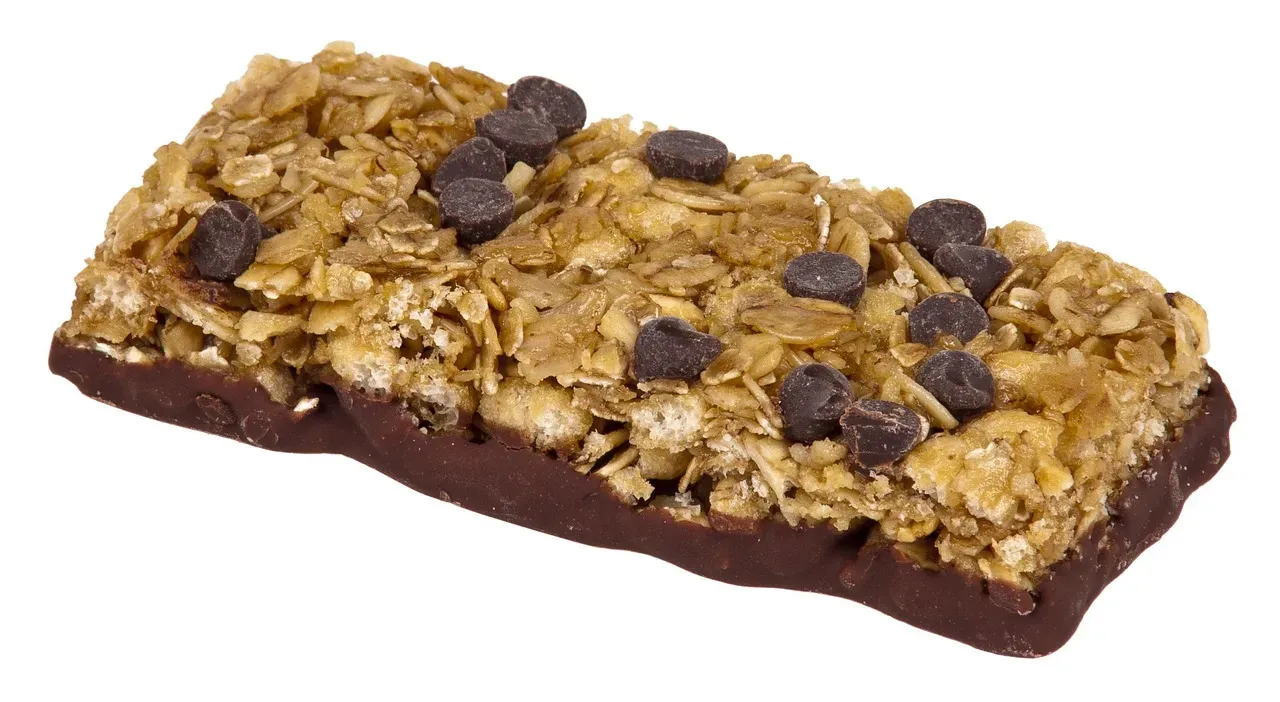
Granola bars get marketed as portable power for busy days, with claims of whole grains and nuts for sustained energy. They sound perfect for hikes or desk drawers, right? But many hide over 12 grams of sugar per bar from honey, brown rice syrup, and cane sugar blends. These sneaky sweeteners keep totals high while evading simple label scrutiny. Oats and seeds look healthy, yet the binding syrups turn them into dessert bars. A daily recommendation caps added sugar at less than 10 percent of calories, per health guidelines, and one bar can hit half that easily. Low-fat options pile on more to mimic texture. Frequent munchers face cravings and overeating cycles from blood sugar rollercoasters.
Opt for homemade versions with rolled oats, nuts, and a touch of maple syrup you control. Or pick bars under 5 grams of sugar with recognizable ingredients only. Nuts or cheese sticks serve as truly satisfying alternatives without the crash. Read every label for total sugars, not just the first one listed. This keeps heart disease risks lower from chronic high intake. Experiment with baking your own for fun flavors like almond-coconut. Steady energy becomes the norm, not the exception. Your wallet saves too, skipping premium “healthy” pricing.
Store-Bought Smoothies

Smoothies in bottles or pouches scream convenience and nutrition, blended with promises of vitamins from fruits and greens. Gym-goers and parents grab them for on-the-go fuel. Reality hits hard, though, with 30 to 50 grams of sugar per bottle from fruit juice concentrates and added nectar. What starts as “natural” ends up sweeter than soda. Labels bury sugars under agave or evaporated cane juice, confusing quick scans. Daily limits hover at 25 to 36 grams for adults, making these a sugar bomb in disguise. Even “green” blends spike totals with banana puree or apple juice bases. The result mimics energy dips and heightened hunger pangs later.
Blend your own at home with frozen berries, spinach, and unsweetened almond milk for under 10 grams. Add protein powder or chia seeds to fill you up properly. This controls portions and skips preservatives too. Fresh produce markets offer affordable bases year-round. Health perks multiply without obesity-linked risks from excess. Customize for moods, like tropical or chocolate-berry twists. Mornings feel vibrant, not sluggish. Kids love helping, turning snacks into family rituals.
Dried Fruit
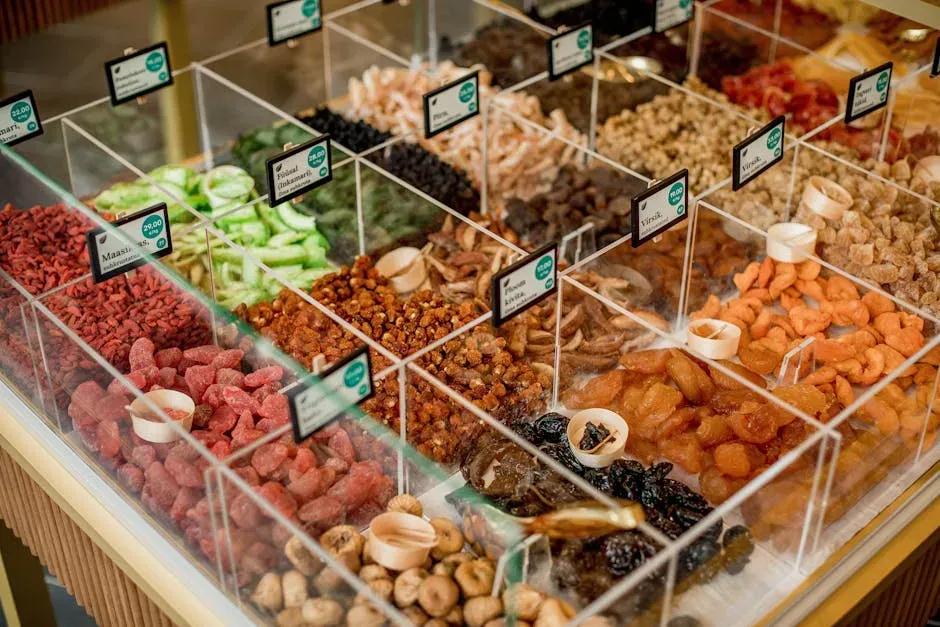
Dried fruit bags tempt with chewy sweetness and nutrient density, pitched as a better candy swap. Trail mix lovers reach for raisins, apricots, or cranberries daily. Concentrations change everything, though, packing 60 to 70 grams of sugar per 100 grams from natural fruit sugars intensified by dehydration. Added sugars like cane syrup or oils coat many for shine and clump prevention. “No added sugar” claims sometimes hide juice coatings still. This blows past daily caps quickly, especially in handfuls. Fat-free labels lure, but sugars replace satisfaction. Links to type 2 diabetes grow with habitual overconsumption.
Fresh fruit satisfies the same itch with water content diluting sugars naturally. A whole apple clocks in way under dried equivalents. Nuts paired with fresh slices make balanced bites. Portion dried treats to a tablespoon max if craving hits. Whole food focus cuts heart risks steadily. Experiment with oven-drying your own for purity. Flavors pop brighter without extras. Long-term, habits shift to vibrant energy over sticky highs and lows.