
Even before the official start on June 1, the Atlantic basin stirs with unusual energy this May 2026. Tropical waves have popped up off Africa’s coast earlier than in recent memory, while sea surface temperatures hover well above historical norms. Forecasters like Colorado State University called for a below-average year dominated by El Niño, yet these pre-season signals hint at a different story.[1][2]
Such contrasts challenge the consensus outlook from teams at CSU, AccuWeather, and others predicting 11 to 16 named storms at most. Early activity like this often sets the tone, though no named storms have formed yet according to the National Hurricane Center. Questions linger as models grapple with warmer waters amid shifting wind patterns.[3][4]
Unusually Warm Sea Surface Temperatures

Atlantic sea surface temperatures sit about 1.4 degrees Celsius above average heading into the season. This warmth provides extra fuel for any developing systems, countering expectations tied to El Niño’s cooling influence on activity.[2] Forecasters note warmer conditions in the western tropical Atlantic specifically, which could nurture storms despite broader suppression forecasts.[5]
These elevated levels surpass many model projections for the main development region. Warmer waters have historically led to surprises in seasons thought to be quiet. Current data from NOAA monitoring underscores this persistent heat anomaly.[6]
Earliest Tropical Wave on Record

The first tropical wave of 2026 formed in early May, marking the earliest such development in at least 15 years. This disturbance emerged off Africa, signaling potential organization far ahead of the typical timeline.[7] Such early waves buck trends seen in forecasted low-activity setups.
Experts track these as precursors to named storms, and this one’s timing defies the subdued preseason quietude models anticipated. A second wave followed closely, adding to the unusual clustering. This pattern echoes busier years rather than the predicted lull.[8]
Multiple Waves Lining Up Early

Beyond the first, a second tropical wave quickly trailed, creating a convoy of disturbances across the eastern Atlantic. This dual emergence in May stands out against years with sparse preseason signals.[8] Models did not flag such clustering amid El Niño projections.
These waves carry moisture and vorticity that could spin up into systems once conditions align. Their presence challenges forecasts emphasizing wind shear dominance. Observers note this as a rare May setup primed for escalation.[9]
Forecasts Show Wide Discrepancies

Colorado State University predicts 13 named storms, six hurricanes, and two majors, pegging activity at 75% of normal. Yet University of Arizona counters with 20 named storms, nine hurricanes, and four majors, flipping the script to above average.[1] This split highlights model uncertainties.
AccuWeather ranges 11-16 storms, while others like TSR lean near-normal. Such variance stems from differing ENSO and SST weightings. Early waves tilt doubt toward the higher-end outlooks.[4]
El Niño’s Grip Proves Uncertain

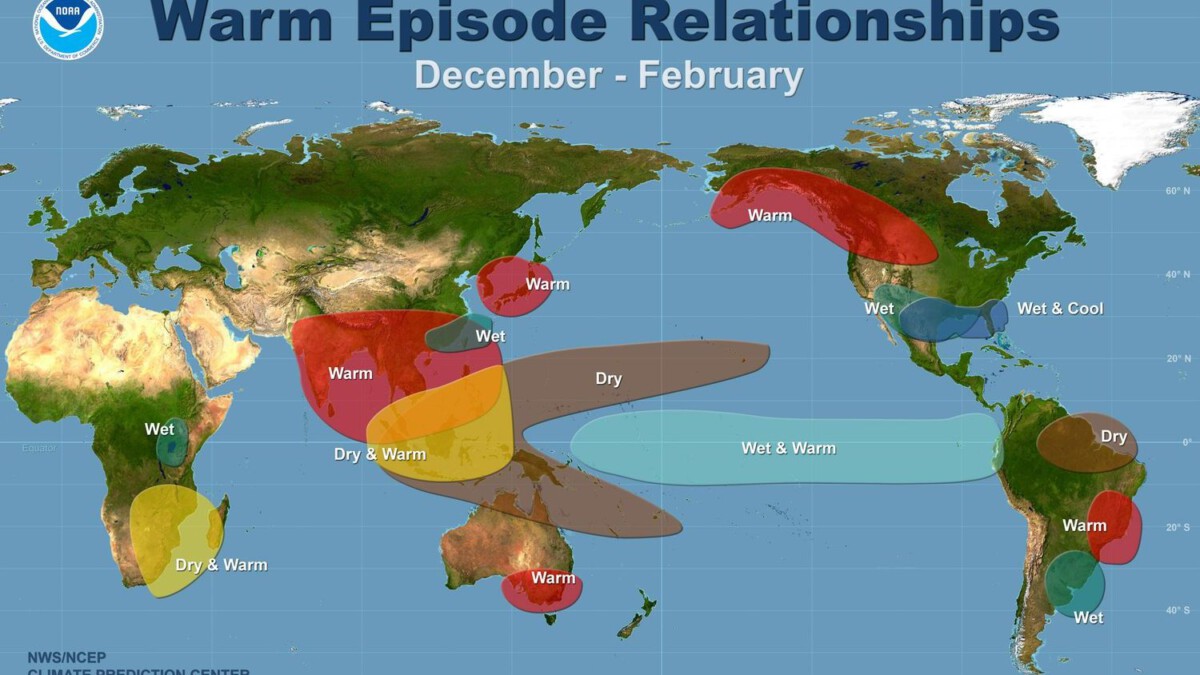
Forecasts hinge on El Niño development by summer, boosting shear to tear apart storms. Current weak La Niña lingers, however, fostering calmer conditions for now.[5] A 61% chance of El Niño by July leaves room for delays.[10]
If transition slows, early warmth could dominate unchecked. Models struggle with ENSO timing, as seen in past mismatches. This fluidity already questions the below-average lock-in.[11]
Western Atlantic Heat Anomaly

Temperatures in the western tropical Atlantic run warmer than normal, per CSU analysis. This hotspot lies in a key breeding ground for U.S.-threatening storms.[5] Eastern areas cool slightly, but the imbalance favors development.
Such regional quirks evade uniform model cooling assumptions. Warmer Gulf and Caribbean waters amplify risks despite basin-wide forecasts. This setup mirrors seasons that outperformed quiet predictions.[12]
Pre-Season Quiet Hides Momentum

No named storms grace the NHC ledger yet, aligning with the June start. Yet underlying wave trains and heat build quiet defiance to low-activity calls.[3] Tropical outlooks pause until mid-May, masking the stir.
History shows May signals often foreshadow peaks. Models underplayed similar preludes before. Momentum gathers below the surface.[13]
Vertical Wind Shear Questions

El Niño promises high shear to shred storms, central to below-normal views. Early waves persist amid moderate shear, suggesting lulls ahead.[11] This resilience tests model reliability.
Shear forecasts vary by agency, adding to the puzzle. Lower-than-expected levels could let systems thrive. Preseason patterns hint at this wildcard.[5]
Landfall Risks Undiminished
CSU pegs U.S. major hurricane landfall odds at 32%, Gulf Coast at 35%. Warm nearby waters keep threats real, even in a subdued basin.[14] Early signals amplify this.
Impacts matter more than counts, and regional heat sustains them. Models capture basin trends but miss local hotspots. Preparedness stays key amid the unknowns.[4]
Model Limitations Exposed Early

Seasonal outlooks blend analogs, ENSO, and SSTs, yet diverge sharply here. Early waves and heat expose gaps in preseason tuning.[1] No consensus emerges.
Dynamic models like ECMWF project 12 storms through October, near average. Reality’s first whispers challenge the downplay. Adjustments loom as June nears.[15]
These pre-season quirks remind us that nature often sidesteps predictions. Warm waters and eager waves set a tone models scramble to match. Whatever unfolds from June 1, vigilance sharpens the outlook.